
Food Boxes That Keep Meals Fresh and Customers Coming Back
Packaging That Makes Every Meal Look as Good as It Tastes
A great meal can fall flat if it arrives soggy, cold, or squashed. For restaurants, cafes, and cloud kitchens, the box is part of the food experience. That is why Custom Food Packaging Boxes matter so much for businesses of every size. They keep meals safe and fresh, carry your brand into customers’ homes and offices, and turn a quick order into something people remember. In this guide, we will cover materials, styles, sizes, and design so you can choose with confidence.
Why Packaging Matters for Food Businesses
Customers judge a meal before the first bite. If the box is greasy, bent, or leaking, they assume the food inside is no better. A clean, sturdy box suggests care and quality, and it protects the work your kitchen put into every order.
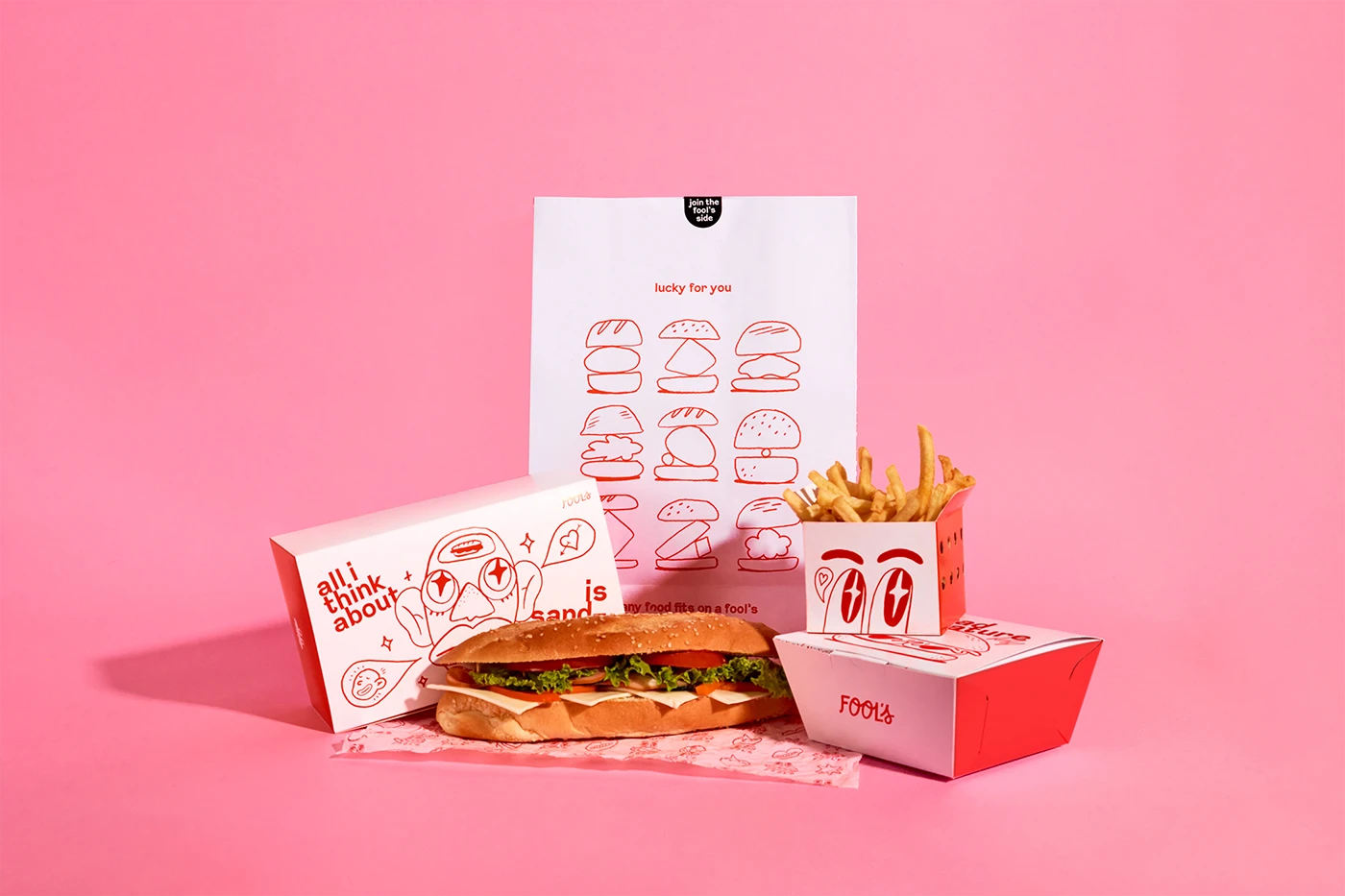
Delivery makes this even more important. Food spends time on bikes, in cars, and in bags, so it needs a container that holds its shape and resists heat and moisture. Custom Food Packaging Boxes let you choose the size, print, and finish, so the box fits your menu instead of forcing your menu to fit a standard box.
Benefits for Your Business
Here is why many food brands invest in branded boxes.
Better protection. A well-fitted box stops food from sliding around, which means fewer spills and fewer refund requests.
Stronger brand recall. A printed logo on the lid stays in people’s minds. Every order that lands on a desk or kitchen counter doubles as free advertising.
Heat and freshness control. Good board and smart ventilation keep fries crisp and sandwiches warm without trapping steam.
Higher perceived value. A neat, attractive box makes a simple meal feel special, and customers are happy to pay a little more for that feeling.
Taken together, Custom Food Packaging Boxes protect your meals and promote your name at the same time.
Choosing the Right Material
Kraft paperboard has a natural, earthy look that suits casual and eco-minded eateries. White food-grade board gives a clean base for bright colors and detailed artwork. Corrugated board adds strength for pizzas, large meals, and stacked orders. For oily or saucy items, look for a grease-resistant coating or a food-safe liner, since plain board can soak through quickly.
Whatever you pick, Custom Food Packaging Boxes should always be made from food-safe materials. Ask your supplier for certification before placing an order.
Popular Box Styles
The right structure depends on what you serve.
Clamshell boxes hold sandwiches, wraps, and fried items securely and are easy to open with one hand.
Pizza boxes are flat, strong, and often include vents to keep the crust from going soft.
Window boxes let customers see the food, which works well for pastries and snacks.
Takeout cartons suit noodles, rice, and anything with sauce, especially with a wire handle.
Plenty of restaurants also choose Custom Burger Boxes for their best-selling item. A box made for burgers holds the bun and fillings in place and has vents that release steam, so the bread stays soft instead of soggy.
Why Custom Burger Boxes Deserve Attention
Burgers are messy, tall, and sensitive to heat, so a generic container rarely does them justice. Custom Burger Boxes are shaped to fit your patty size and stacking style, which keeps the layers neat from the counter to the doorstep. Small vent holes let steam escape, and a grease-resistant lining protects the board. Many shops print their logo and a short slogan on the lid, which turns every burger into a small ad. If you sell combos, consider matching Custom Burger Boxes with fry sleeves and drink carriers so the whole order looks consistent.
Printing and Finishing Options
Digital printing works well for short runs and seasonal menus, while offset printing gives sharp, even color on larger orders. Matte finishes feel modern, and gloss makes colors pop. For food packaging, water-based and soy-based inks are a popular choice because they are friendlier to the environment. Keep any coating food-safe, and avoid heavy lamination if you want the box to be easy to recycle.
Getting the Size Right
Start by measuring your food, then add a little room so nothing gets squeezed. A box that is too big lets food slide, and one that is too tight can crush it. Think about how you pack the order too. Fries, sauces, and sides may need their own compartments. Properly sized Custom Food Packaging Boxes also reduce waste and keep shipping or delivery bags more compact.
Design Tips That Help You Sell
Keep the design simple. A bold logo, a short tagline, and two or three brand colors are usually enough. Add your website or social handle so happy customers can find you again, and leave some empty space so the artwork can breathe.
Always ask for a proof before production. Screen colors rarely match printed board exactly, and a quick check can save you from reprinting a whole batch. When the artwork is clean and consistent, Custom Food Packaging Boxes work like a quiet salesperson, promoting your kitchen every time someone opens an order.
A Note on Sustainability
More customers now care about what happens to packaging after the meal. Many suppliers offer recyclable kraft board, compostable liners, and plant-based coatings. Choosing the right size also reduces waste, and a short recycling note on the lid is a friendly, low-cost touch. Even Custom Burger Boxes can be made with recyclable materials if you ask for them.
Final Thoughts
Your food deserves packaging that does it justice. With the right material, style, and design, Custom Food Packaging Boxes can protect your meals, strengthen your brand, and give customers a reason to order again. Request samples, compare a few suppliers, and choose one that answers your questions clearly.
FAQs
1. Are food boxes safe for hot meals?
Yes, when made from food-grade board. Check that the coating handles heat and grease.
2. Can I print my logo on the box?
Yes. Full-color printing is available, and most suppliers send a proof first.
3. How do I keep fried food crisp?
Choose boxes with vent holes so steam can escape instead of softening the food.
4. Is there a minimum order quantity?
It varies. Many suppliers offer low minimums for small restaurants and test runs.
5. Are these boxes recyclable?
Most are, if made from plain kraft or corrugated board. Heavy laminations can make recycling harder.

 English
 Arabic
 French
 Spanish
 Portuguese
 Deutsch
 Turkish
 Dutch
Dutch
 Russian
 Romaian
 Portuguese (Brazil)
 Greek
Greek