


Smarter Shelves, Better Sales: The Power of Retail Stock Management Software
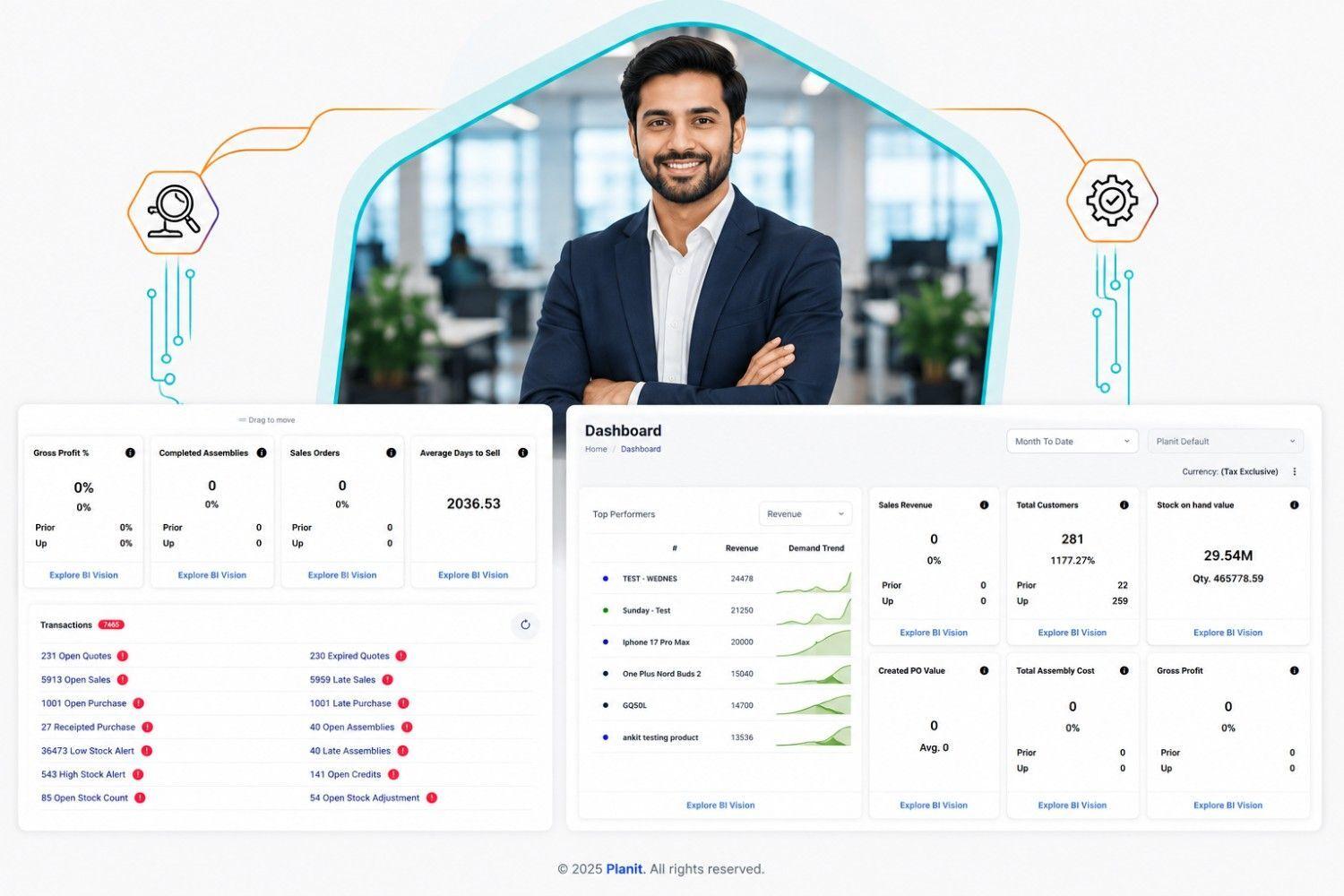
Retail success depends on more than attracting customers and offering quality products. Businesses must ensure that the right products are available at the right time, quantities are accurate, and stock moves efficiently from suppliers to store shelves. Without proper inventory control, retailers can experience empty shelves, excess inventory, delayed orders, and unnecessary operational costs. Retail Stock Management Software helps businesses overcome these challenges by bringing inventory tracking, purchasing, and stock planning into one organised system.
As customer expectations continue to evolve, retailers need smarter ways to manage daily operations. A technology-driven inventory approach allows businesses to make informed decisions, improve product availability, and create a smoother shopping experience.
Understanding the Importance of Retail Stock Management
Stock management is a fundamental part of retail operations. Every product entering a warehouse, moving between locations, or leaving through a customer sale must be recorded accurately. When these activities are handled manually, even minor mistakes can lead to discrepancies and missed sales opportunities.
Retailers often face challenges such as:
-
Inaccurate stock counts caused by manual data entry.
-
Overstocking products that sell slowly.
-
Stockouts of popular items during peak shopping periods.
-
Delays in purchasing and supplier coordination.
-
Limited visibility into inventory across multiple outlets.
A centralised inventory system helps businesses manage these activities more consistently. Instead of relying on disconnected spreadsheets, teams can access organised stock information and respond to changing demand more effectively.
How Retail Stock Management Software Improves Daily Operations
Modern retail businesses require more than a basic stock register. They need tools that connect inventory movements with sales, purchasing, and replenishment decisions. Retail Stock Management Software provides a structured way to monitor these processes and improve operational visibility.
1. Real-Time Inventory Tracking
Accurate stock information enables retailers to understand what is available, what has been sold, and which products need replenishment. Real-time or near-real-time updates, depending on system configuration, help reduce the gap between recorded inventory and actual stock.
Employees can identify low-stock items, review product movements, and avoid unnecessary counting exercises. This is particularly useful for retailers managing large product catalogues or multiple storage locations.
2. Smarter Reordering and Stock Planning
Ordering too much inventory ties up working capital, while ordering too little can result in lost sales. Effective stock planning helps retailers balance these competing priorities.
Inventory software can support reorder points, minimum stock levels, demand analysis, and replenishment planning. By considering sales patterns and supplier lead times, businesses can make better purchasing decisions rather than depending entirely on guesswork.
3. Better Sales and Inventory Coordination
Sales data becomes more valuable when connected with stock records. Retailers can identify fast-moving products, understand seasonal demand, and determine which items require closer monitoring.
For example, a store experiencing increased demand for a particular product before a festival can use historical sales information to prepare inventory earlier. This improves product availability while reducing the risk of purchasing excessive quantities after demand declines.
4. Improved Multi-Location Stock Visibility
Retail chains and growing businesses often manage inventory across several stores, warehouses, and distribution points. Without centralised visibility, one location may hold excess stock while another struggles to fulfil customer orders.
A suitable inventory management solution helps teams review stock across locations and plan transfers where supported. Better coordination can reduce unnecessary purchases and make existing inventory more productive.
The Business Benefits of Smarter Inventory Management
Investing in an organised stock management process can support improvements throughout a retail business.
Key benefits include:
-
Fewer stock discrepancies: Consistent transaction recording helps teams identify and investigate inventory differences.
-
Reduced overstocking: Better demand visibility supports more informed purchasing decisions.
-
Improved customer satisfaction: Customers are more likely to find the products they want when inventory is monitored effectively.
-
Greater employee productivity: Automated calculations and streamlined workflows reduce repetitive administrative work.
-
More informed decisions: Inventory and sales reports help managers identify trends and evaluate product performance.
-
Better cost control: Improved stock visibility can help reduce avoidable storage expenses and inventory waste.
The National Retail Federation's 2023 National Retail Security Survey reported that the average shrink rate among surveyed retailers was 1.6% of sales for fiscal year 2022. Although shrinkage includes multiple causes, this finding illustrates why retailers need stronger inventory visibility, accurate records, and effective loss-prevention practices.
Essential Features Retailers Should Consider
Choosing the right system requires understanding the business's current challenges and future goals. Useful capabilities may include:
-
Barcode-based stock receiving and product identification.
-
Automated reorder alerts and minimum stock notifications.
-
Purchase order creation and supplier record management.
-
Sales and inventory reporting.
-
Stock transfers between warehouses and stores.
-
Batch, serial number, or expiry-date tracking where relevant.
-
Integration with compatible point-of-sale, accounting, and e-commerce platforms.
-
Role-based access and inventory activity records.
Not every retailer needs every feature. A small neighbourhood shop may prioritise simple stock tracking and reorder alerts, while a growing retail chain may require multi-location controls, integrations, and more advanced reporting.
Making Retail Inventory Management More Effective
Technology delivers the best results when it supports clear processes. Before implementing new software, retailers should review their existing inventory practices and identify the areas causing the greatest problems.
Start by cleaning product records, standardising product codes, and conducting a physical stock count. Establish appropriate reorder levels for important products and train employees to record receiving, sales, returns, and transfers consistently.
Managers should also review performance indicators regularly, including stockout frequency, inventory turnover, order fulfilment accuracy, and the value of slow-moving stock. These measurements help businesses understand whether their improvements are producing meaningful results.
Retailers should avoid assuming that software alone will eliminate every inventory problem. Reliable data, employee training, supplier coordination, and regular process reviews remain essential for achieving lasting improvements.
Build a Smarter Retail Business with PlanIT
The right inventory strategy helps retailers move beyond reactive stock control towards planned, data-informed operations. By improving inventory visibility, simplifying purchasing, and connecting stock information with sales activity, businesses can create more efficient workflows and respond confidently to changing customer needs.
PlanIT helps businesses explore smarter approaches to inventory management with technology designed to support better operational control. Whether your goal is to improve stock accuracy, organise purchasing, or gain clearer visibility across locations, choosing the right solution can be an important step towards sustainable retail growth.
Connect with PlanIT to discuss your retail inventory management requirements and discover an approach suited to your business.
-
Mobile: +91-9958474631
-
Email: [email protected]

 English
 Arabic
 French
 Spanish
 Portuguese
 Deutsch
 Turkish
 Dutch
Dutch
 Italiano
 Russian
 Romaian
 Portuguese (Brazil)