


Lianpack Paper Pulp Packaging: Innovations in Water-Resistant and Oil-Resistant Coatings
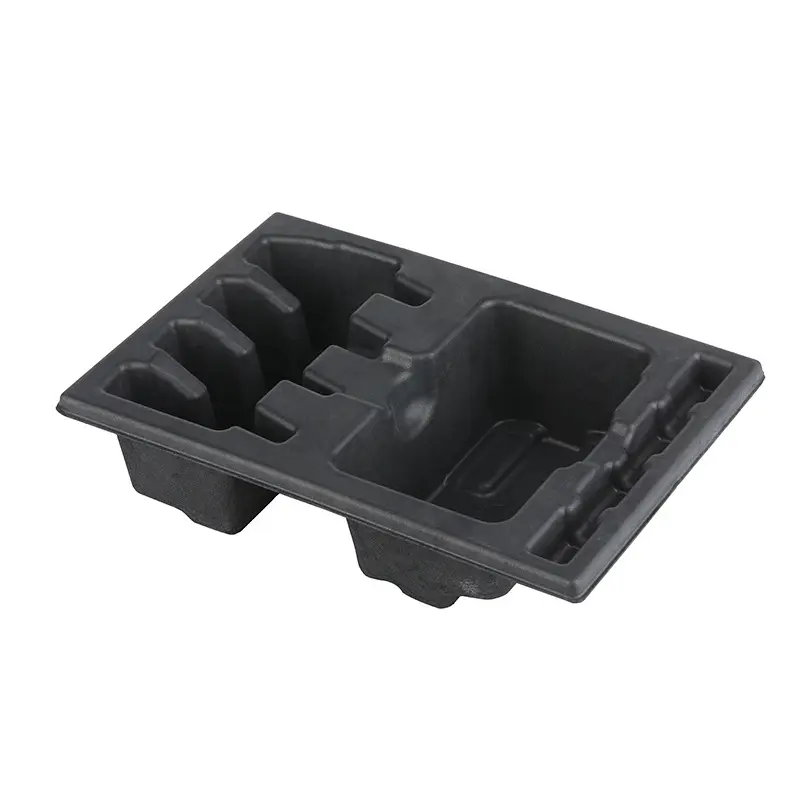
One of the historical limitations of molded pulp packaging was its vulnerability to moisture and oils, which could compromise structural integrity in certain applications. Recent innovations in coating technology have significantly addressed this weakness, expanding where pulp packaging can be used effectively without sacrificing its biodegradable properties.
Why Moisture Resistance Matters
Many packaging applications involve exposure to moisture, whether from humid shipping environments, condensation, or direct contact with wet or oily products. Uncoated pulp packaging can weaken structurally under these conditions, limiting its use in certain applications where reliable performance under moisture exposure is essential for maintaining product protection.
Developing Coatings That Preserve Compostability
The challenge manufacturers have worked to solve involves adding moisture resistance without compromising the material's natural biodegradability. New coating formulations achieve this balance, providing meaningful water resistance while still allowing paper pulp packaging to break down naturally at the end of its life, unlike older coating technologies that sometimes prevented proper composting.
Expanding Applications in Food Service
Oil-resistant coatings have proven particularly valuable in food service applications, where packaging frequently comes into contact with greasy or oily foods. This innovation has expanded the range of food products that can be safely packaged in molded pulp containers, supporting the broader shift away from plastic in the food service industry.
Improving Durability for Outdoor and Humid Environments
Beyond food applications, improved moisture resistance has made pulp packaging more viable for products shipped through humid climates or stored in less controlled environments. This durability improvement addresses a longstanding concern that previously limited pulp packaging adoption in certain geographic regions or seasonal shipping conditions.
Balancing Performance With Environmental Goals
Manufacturers developing these coatings face an ongoing challenge in maintaining the delicate balance between functional performance and environmental impact. The best coating innovations achieve genuine moisture or oil resistance without introducing harmful chemicals or preventing proper end-of-life biodegradation, which remains the central goal driving continued research in this area.
Testing and Verifying Coating Performance
Given the importance of these coatings to overall packaging performance, manufacturers conduct rigorous testing to verify moisture and oil resistance under realistic conditions. This testing helps ensure coated packaging performs reliably across its intended use cases, rather than simply meeting theoretical resistance standards that don't reflect actual product handling conditions.
What This Means for Brands Considering Pulp Packaging
These coating innovations have removed a significant barrier that previously limited pulp packaging's applicability for certain products. Brands that previously avoided molded pulp due to moisture or oil concerns should reconsider these options, since current coating technology often addresses these limitations effectively while preserving the material's core sustainability advantages.

 Arabic
 French
 Spanish
 Portuguese
 Deutsch
 Turkish
 Dutch
Dutch
 Italiano
 Russian
 Romaian
 Portuguese (Brazil)
 Greek
Greek