


Why Do Warts Develop and How Can You Prevent Them?
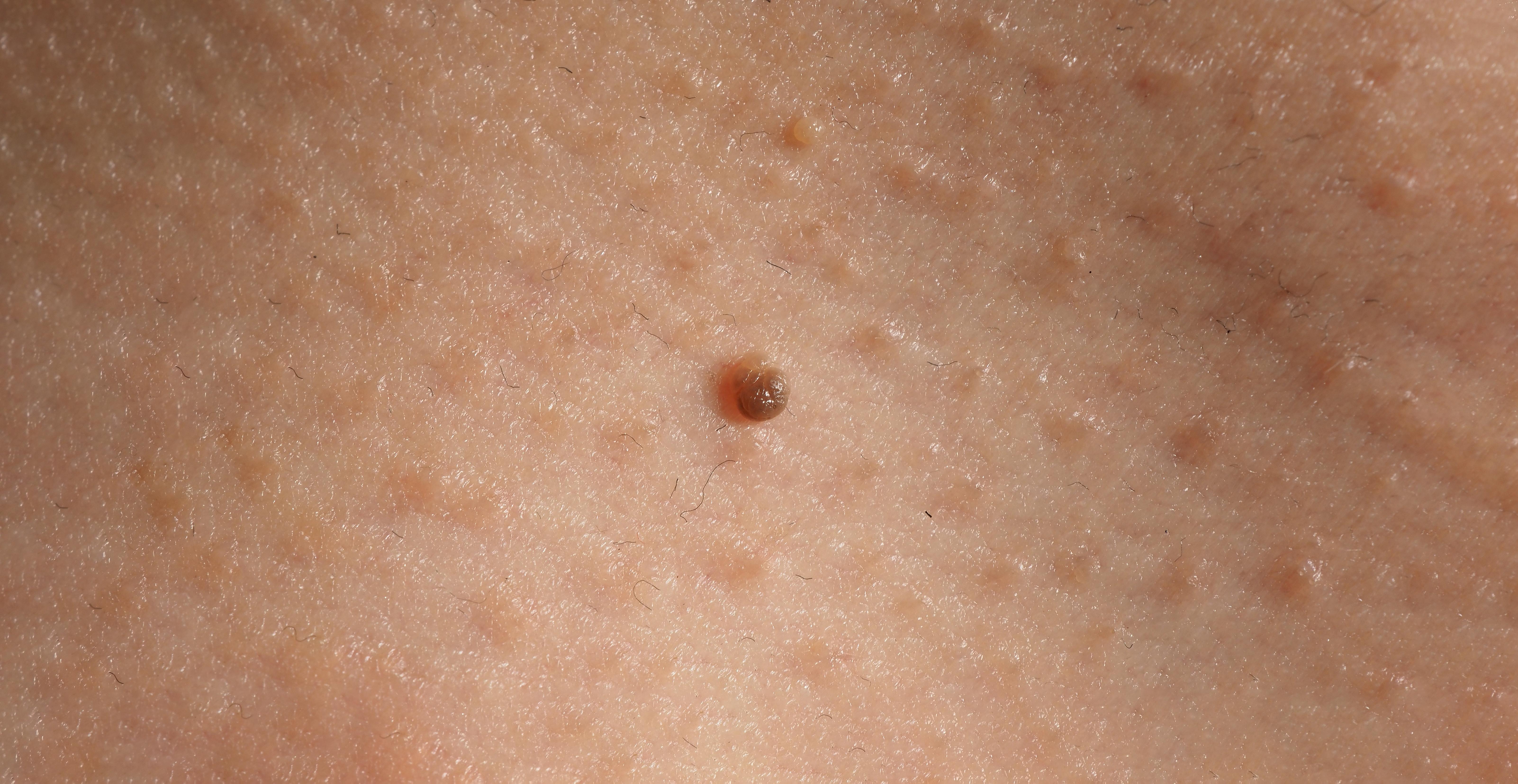
Warts are small, rough skin growths that can appear on different parts of the body. They are particularly common among children and can spread from one area of the skin to another. Although most warts are harmless, persistent, painful, or rapidly spreading growths may need professional evaluation. Consulting a pediatric dermatologist in Chennai can help determine whether a skin growth is a wart and guide appropriate care.
What Causes Warts?
Warts are caused by certain types of human papillomavirus (HPV). The virus can enter the skin through tiny cuts, scratches, or areas where the skin barrier is weakened.
Once the virus enters the skin, it can cause the affected skin cells to grow more rapidly, resulting in a wart.
Warts are contagious and can spread through direct skin-to-skin contact or by sharing personal items that have come into contact with an affected area.
Common Types of Warts
Common Warts
These usually appear as rough, firm bumps and are frequently found on the hands and fingers. They may sometimes develop around the nails.
Flat Warts
Flat warts are smaller and smoother than common warts. They can occur in groups and may commonly appear on the face, hands, or other areas.
Plantar Warts
Plantar warts develop on the soles of the feet. Pressure from walking can cause them to grow inward and may make them uncomfortable.
Periungual Warts
These warts develop around or underneath the fingernails and toenails. They may sometimes interfere with normal nail growth.
How Do Warts Spread?
The virus responsible for warts can spread through direct contact with an infected wart. Scratching or picking a wart can also transfer the virus to another area of the body.
Sharing towels, footwear, nail tools, or other personal items may increase the possibility of transmission.
Warts may also spread in warm, damp environments where people commonly walk barefoot.
How Can Warts Be Prevented?
Although it is not always possible to prevent warts completely, several habits can reduce the risk of spreading them.
Avoid Picking or Scratching
Picking at a wart can damage the skin and potentially spread the virus to nearby areas. Encourage children to avoid touching or scratching affected skin.
Keep Hands Clean
Regular handwashing can help reduce the spread of viruses and other infections. Hands should also be washed after touching an affected area.
Avoid Sharing Personal Items
Do not share towels, socks, footwear, nail clippers, or other personal items with someone who has warts.
Protect Damaged Skin
Small cuts and scratches can provide an entry point for viruses. Keeping minor skin injuries clean and protected can help maintain the skin barrier.
Wear Footwear in Shared Areas
Wearing appropriate footwear around swimming pools, locker rooms, and other communal wet areas can help reduce direct contact with contaminated surfaces.
How Are Warts Treated?
Many warts eventually disappear without treatment, particularly in children. However, treatment may be considered when warts are painful, spreading, persistent, or causing discomfort.
Topical Treatments
Certain topical treatments may gradually remove wart tissue. These should be used according to professional recommendations, particularly when treating children.
Cryotherapy
Cryotherapy uses controlled freezing to destroy wart tissue. A dermatologist may recommend this approach for suitable warts.
Other Dermatological Procedures
Depending on the location, size, number, and type of wart, a dermatologist may consider other treatment methods.
The most appropriate treatment depends on the individual case rather than using the same method for every wart.
Wart Care at Dermipure Dermaclinic
Dermipure Dermaclinic provides dermatological care for various skin concerns, including warts. When a wart requires treatment, the approach can be selected based on its location, appearance, number, duration, and the patient's age.
For younger patients, professional assessment can help distinguish warts from other skin growths that may look similar and determine an appropriate treatment option.
Common Mistakes to Avoid
One common mistake is cutting, scratching, or attempting to remove a wart aggressively at home. This can injure the surrounding skin and may contribute to spreading.
Another mistake is using strong over-the-counter products without considering the location of the wart. Sensitive areas may require a different approach.
It is also important not to assume that every unusual skin bump is a wart. A dermatologist can confirm the diagnosis when the appearance is uncertain.
When Should You See a Dermatologist?
Professional evaluation may be helpful if a wart:
- Becomes painful or bleeds
- Spreads rapidly
- Appears in large numbers
- Returns after treatment
- Develops around the nails
- Interferes with walking or daily activities
- Has an unusual appearance
- Does not improve over time
Early assessment can help identify the condition and determine whether treatment is necessary.
Can Warts Be Completely Prevented?
There is no guaranteed way to prevent every wart because the virus responsible can spread through everyday contact. However, maintaining good hygiene, avoiding picking, protecting damaged skin, and not sharing personal items can reduce the risk of transmission.
For children who frequently develop warts or have persistent growths, professional dermatological guidance can be especially useful.
Conclusion
Warts are common viral skin growths caused by certain types of HPV. They can spread through direct contact, scratching, or sharing personal items. Although many warts are harmless and may disappear naturally, persistent or troublesome warts may require treatment.
Simple hygiene practices and avoiding contact with affected skin can help reduce their spread. When a wart is painful, recurring, rapidly spreading, or difficult to identify, consulting a dermatologist can help ensure appropriate care.

 Arabic
 French
 Spanish
 Portuguese
 Deutsch
 Turkish
 Dutch
Dutch
 Italiano
 Russian
 Romaian
 Portuguese (Brazil)
 Greek
Greek