


Tuck Boxes Explained: Styles, Materials and How to Choose the Right One for Your Product
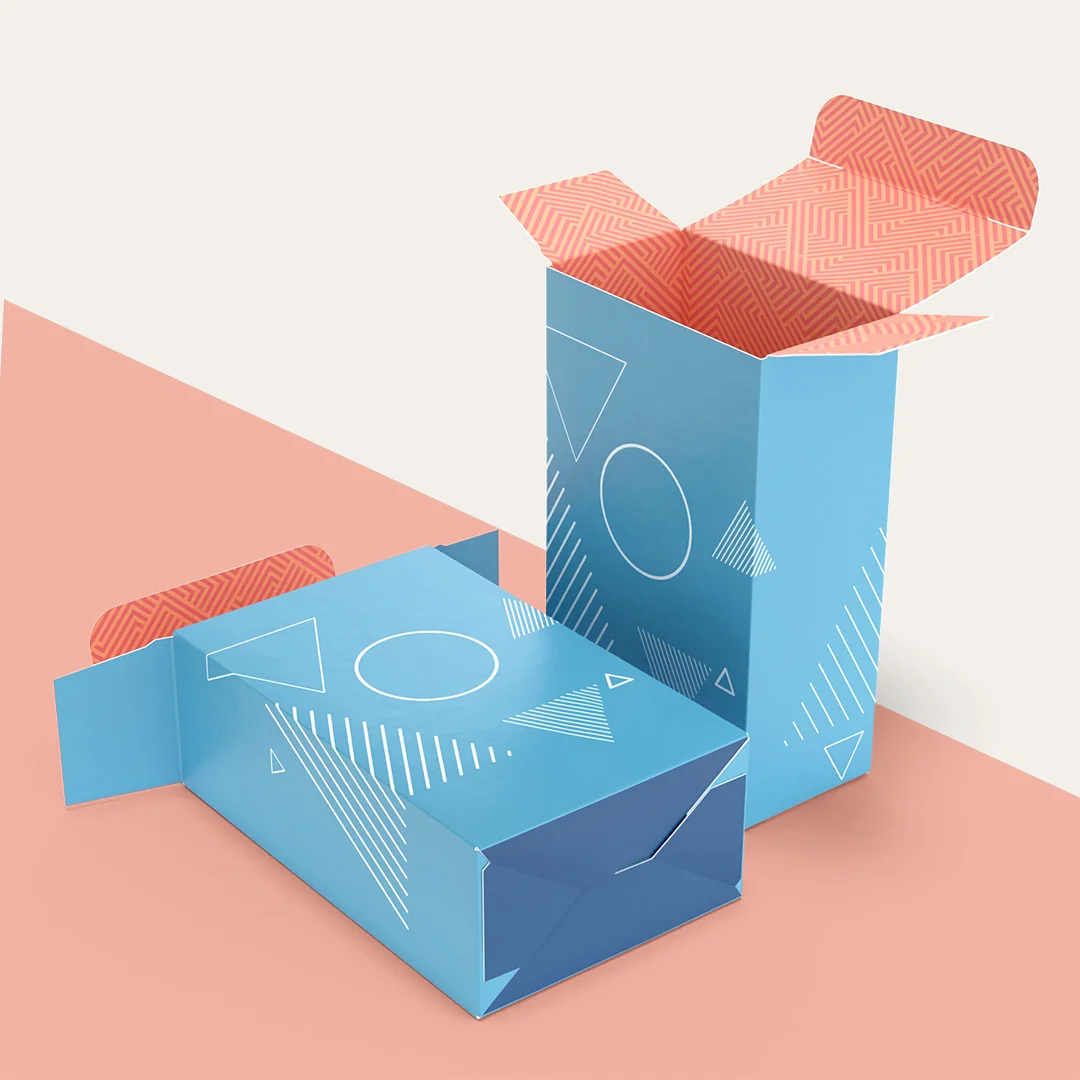
Pick up almost any lip balm, supplement bottle or boutique candle and there is a good chance it comes in a tuck box. It is one of the simplest packaging designs around, yet it does a lot of work. It protects the product, carries the branding and sits neatly on a shelf.
If you sell products online or in stores, understanding how custom tuck boxes are built and which version suits your product can save you money and prevent a lot of headaches. This guide covers what they are, the main styles, the materials, how to size them properly and what to ask a supplier before you order.
What Is a Tuck Box?
A tuck box is a folding carton with a lid that closes by tucking a flap into the main body of the box. There is no glue on the closure and no tape needed. The box is usually delivered flat, then folded and assembled in a few seconds.
Most tuck boxes are made from paperboard or kraft board, which means they are light, easy to print on and cheap to ship flat. Some use thin corrugated board (E-flute or F-flute) when a bit more strength is needed.
They are sometimes called folding cartons, and the two terms overlap. Strictly speaking, a tuck box is a type of folding carton with a tuck-in closure.
The Main Styles of Tuck Boxes
Not every tuck box closes the same way. The style you choose affects how the product is loaded, how secure it feels and how it looks on the shelf.
Straight tuck end (STE). The lid and the base tuck in from the same side. The opening faces the front or the back of the box, which makes it easy to read the front panel when the box is standing on a shelf. This is the most common style for cosmetics, supplements and small retail items.
Reverse tuck end (RTE). The top flap tucks in from one side and the bottom flap from the opposite side. The box looks cleaner from the front because the seams sit on the sides rather than across the face. It suits products that depend on strong front-panel branding.
Auto-bottom tuck boxes. Also called crash lock bottom boxes. The base snaps into place automatically when you open the box, so it holds heavier items well. It is a good choice for bottles, jars and anything that needs a sturdier floor.
Tuck top mailer boxes. A one-piece box with a hinged lid that tucks in at the front. These are popular with online brands because they arrive flat and make a tidy unboxing moment. They are usually made from thicker board, so they handle courier shipping better than standard cartons.
Tuck boxes with windows. A cut-out panel covered in clear film lets customers see the product inside. This works well for food, candles, soaps and anything with attractive colours or textures.
Tuck boxes with hang tabs. A small punched tab lets the box hang on a retail peg. Useful for small accessories, tools and impulse items.
Why Businesses Choose Tuck Boxes
There are a few reasons tuck boxes remain so popular across industries.
They are affordable. Because they use thin board and simple construction, the cost per unit is low, especially at higher quantities. They are also cheap to store because they stay flat until needed.
They are easy to assemble. Staff or customers can fold one in seconds. That helps if you are packing orders by hand and need to keep up with demand.
They print well. Paperboard has a smooth surface, so colours and fine detail come out sharp. You can add a logo, product information, barcodes and ingredient lists without much trouble.
They suit many products. Cosmetics, skincare, candles, tea, supplements, stationery, small electronics, soaps and gift packaging all fit comfortably in a tuck box.
They can be eco-friendly. Kraft and recycled paperboard are both widely available, and most tuck boxes can be recycled through standard kerbside collection when kept clean and free of plastic laminate.
Choosing the Right Material
The board you pick changes the look, the strength and the price. Here are the usual options.
White SBS paperboard. Smooth, bright white and ideal for full-colour printing. It is the go-to for cosmetics and premium retail packaging.
Kraft paperboard. Brown, natural and slightly rough. It gives a handmade, earthy feel and suits organic and sustainable brands. You can print on it, though colours look more muted.
Recycled paperboard. Often greyish on the inside and cheaper than virgin board. It is a practical choice for brands that want to lower their environmental impact.
E-flute or F-flute corrugated. Thin corrugated board adds rigidity and cushioning. It is a good fit for heavier products, glass items or anything that will be shipped without an outer carton.
Board thickness is measured in points or microns. For light items such as lip balm or tea bags, a thinner stock is enough. For bottles, jars or small tools, go for something thicker so the box does not bend under the weight.
Finishes and Printing Options
The finish changes how the box feels and how well it holds up.
Matte lamination gives a soft, modern look with minimal glare. Gloss lamination makes colours pop and adds a bit of water resistance. Spot UV puts a glossy coating on selected areas, such as a logo, to create contrast. Foil stamping adds a metallic shine in gold, silver or other colours. Embossing and debossing raise or press parts of the design so customers can feel it.
Water-based and soy-based inks are a good option if you want to keep the box environmentally friendly. They also tend to be easier to recycle.
Keep in mind that extra finishes raise the price. A simple one-colour print on kraft board can look just as striking as a heavily finished box, as long as the design is clean and well planned.
How to Size a Tuck Box Correctly
Size is where many first-time buyers go wrong. A box that is too loose lets the product rattle. One that is too tight is hard to close and may split along the creases.
Measure your product’s length, width and height. Then add a small allowance, usually 2 to 3 millimetres per side, so the product slides in without forcing. If your product needs padding, add that thickness too.
Remember that tuck box dimensions are given as length x width x depth and measured from the inside. Make sure you tell your supplier exactly how you are measuring, or you may end up with a box that is a few millimetres off.
If your product has an odd shape, such as a tall bottle or a wide jar, ask about custom inserts. A paperboard insert holds the item steady and prevents movement during transit.
Order a sample or prototype before committing to a full run. A plain white mock-up costs very little and shows you right away whether the size works.
Tuck Boxes for Seasonal and Gifting Use
Tuck boxes are also a favourite for seasonal packaging. Around the holidays, small bakeries, candle makers and gift sellers often use printed Christmas boxes in tuck style to match the festive season without a big spend. A window panel, a foil detail or a simple red and green print can turn a standard carton into a gift. The same approach works for Mother’s Day, Easter and other peak sales periods.
Because they are cheap and flat-packed, tuck boxes are also easy to order in bulk ahead of a busy season and store until needed.
What to Ask a Supplier Before You Order
A few questions can save you a lot of frustration.
What is the minimum order quantity for custom printed boxes? Some suppliers start at 100 units, others at 500 or 1,000.
How long does production take, including proofing and delivery? Lead times can stretch during peak periods, so plan ahead.
Can you see a digital or physical proof before the full run starts? This is the best way to catch errors in colour, spelling or dimensions.
Do they offer custom boxes in Australia with local printing and delivery? Local suppliers often respond faster and make reorders easier.
What board grades and certifications are available, such as FSC-certified paper?
Final Thoughts
A tuck box is a simple, flexible and cost-effective way to package a product. The right style, board and finish depend on what you sell, how you ship it and the impression you want to leave. Start with accurate measurements, order a sample and keep the design clean.

 English
 Arabic
 French
 Spanish
 Portuguese
 Deutsch
 Turkish
 Dutch
Dutch
 Italiano
 Russian
 Romaian
 Greek
Greek