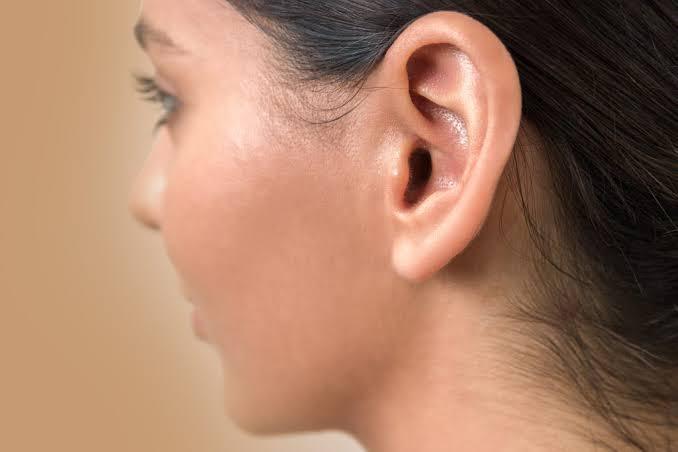
Ear reshaping surgery in Dubai can create a more balanced and natural-looking appearance by changing the size, position, or contour of the outer ear. For people who feel that their ears appear too prominent, uneven, large, small, or differently shaped, the procedure can provide a subtle transformation while maintaining the ear’s natural character. The goal Ear Reshaping Surgery in Dubai is not to make every ear look identical, but to create proportions that complement the individual’s facial structure.
Understanding the Results of Ear Reshaping
The results of ear reshaping depend on the existing ear structure, cartilage flexibility, the degree of correction required, and the surgical approach selected. A carefully planned procedure can improve the relationship between the ears and the head while preserving a natural appearance. In many cases, the ears can appear less prominent and more proportionate after healing. When asymmetry is present, surgical adjustments may make the two ears appear more balanced, although perfectly identical ears are not a realistic goal because natural facial asymmetry is common. The procedure can also address specific structural concerns involving the upper ear, central cartilage, or earlobe. This makes the final outcome highly individual rather than based on a single standard shape.
A More Balanced Ear Profile
One of the most noticeable outcomes can be a better-balanced side profile. When the ears project farther from the head than desired, reshaping can bring them closer to a more natural position. This change may alter how the ears interact visually with the forehead, cheeks, jawline, and overall facial proportions. Because the correction focuses on the outer ear rather than changing other facial features, the transformation can remain relatively subtle. A well-planned result generally aims to make the ears look naturally positioned rather than obviously altered. The contours should complement the individual’s facial structure and create a harmonious overall appearance.
Treatment Approach for Prominent Ears
Ear pinning is one of the most recognized approaches used for prominent ears. The technique focuses mainly on changing the position and contour of the ear so that it sits closer to the side of the head. During the procedure, the cartilage may be reshaped, folded, or secured with internal sutures depending on the structure being corrected. In some cases, cartilage modification may be needed to create a more defined natural fold. The expected result is a reduction in the outward projection of the ears. This can make the ears less visually noticeable from the front, side, or rear while preserving their natural curves.
Treatment Approach for Size and Shape Concerns
Another approach focuses on changing the size or specific shape of the ear. This may be considered when an ear appears unusually large, underdeveloped, irregular, or disproportionate to the surrounding facial features. Depending on the concern, the procedure may involve carefully reshaping cartilage, adjusting particular areas, or modifying excess tissue. The objective is to establish more harmonious dimensions rather than simply making the ear smaller or larger. This approach can be particularly useful when the concern involves more than prominence. A person may have ears that sit appropriately against the head but still feel dissatisfied with their overall size or contour.
Improved Ear Symmetry
Complete symmetry between the two ears is naturally uncommon. However, reshaping can sometimes make noticeable differences between the ears less apparent. The procedure may address variations in projection, cartilage folds, height, or overall contour. By making carefully planned adjustments, the ears can appear more consistent with one another. Improved symmetry can also contribute to a more balanced facial appearance. Even relatively small changes may become meaningful when they correct a feature that has attracted unwanted attention for a long time.
More Natural Cartilage Contours
The shape of the external ear depends heavily on its cartilage framework. When the cartilage lacks a defined fold or has an unusual contour, reshaping techniques can help establish a smoother and more natural structure. Cartilage-sparing methods can use internal sutures to create or reinforce specific folds without removing substantial cartilage. Other techniques may involve controlled reshaping of the cartilage when structural modification is necessary. The desired outcome is a gentle, natural contour rather than a sharply folded or overly rigid appearance. Good results therefore depend heavily on understanding the individual anatomy of the ear.
Results That Complement Facial Proportions
The ears are an important part of the overall facial profile, even though they may not receive as much attention as the nose, eyes, or jawline. Changes to their position and size can influence the way the entire face is perceived. When the ears are more proportionate to the head, attention may naturally shift toward the central facial features. This can create a more cohesive appearance without dramatically changing the person’s identity. The best outcomes generally preserve individuality. Rather than creating an artificial appearance, the procedure aims to refine the existing anatomy in a way that looks appropriate for that particular person.
When Can Results Become Noticeable?
Some changes may be visible relatively early, but the final appearance develops progressively as the tissues settle and healing continues. Initial changes can therefore look different from the eventual result. As healing progresses, the contours generally become more refined. Temporary changes in the appearance of the ears can make early results difficult to judge accurately. A final assessment is usually more meaningful once sufficient healing has occurred. The exact timeline can vary depending on the extent of reshaping and individual healing characteristics.
Can Ear Reshaping Change Hearing?
Ear reshaping is primarily concerned with the external structure of the ear. It is designed to modify appearance, position, or contour rather than the internal structures responsible for hearing. Because the procedure focuses on the outer ear, it generally does not aim to improve hearing ability. People considering the surgery should nevertheless discuss any existing hearing concerns separately during their medical assessment. This distinction is important because cosmetic reshaping and functional ear treatment address different concerns.
What Makes the Results Look Natural?
Natural-looking results depend on proportion, symmetry, cartilage structure, and appropriate positioning. Excessive correction can make an ear look overly close to the head, while insufficient correction may leave the original concern noticeable. The shape of the ear also matters. A successful result should maintain recognizable anatomical curves and transitions instead of creating a completely artificial outline. Individual facial structure is equally important. A position that looks balanced for one person may not look equally appropriate for another. For this reason, surgical planning is normally personalized.
How Long Can the Results Last?
Otoplasty is generally intended to create long-lasting structural changes. Once reshaped cartilage heals in its new position, the improvement can remain for many years. However, natural aging and changes in tissue characteristics can affect appearance over time. The long-term outcome can also depend on the original anatomy and the extent of correction performed. Long-lasting results are therefore best understood as structural improvements rather than a guarantee that the ears will remain completely unchanged throughout life.
What Does the Recovery Period Mean for the Final Appearance?
The recovery period is an important stage in allowing the newly shaped ear to settle. The visible appearance can continue to evolve as swelling decreases and tissues stabilize. During this period, the ears may not immediately display their final contours. Patience is important because judging the outcome too early can create unrealistic expectations. The treating surgical team normally provides individualized instructions concerning protection, activity, sleeping position, and wound management. Following those instructions supports the healing process and helps protect the intended shape.
Frequently Asked Questions
Can Ear Reshaping Make the Ears Smaller?
Yes, selected techniques can reduce the apparent size of an ear when excess dimensions contribute to an unbalanced appearance. The amount of structural adjustment depends on the individual anatomy and the specific area requiring correction.
Can It Correct Ears That Stick Out?
Yes, ear pinning is specifically designed to reduce excessive projection. Cartilage can be reshaped and repositioned so the ears sit closer to the head while maintaining natural contours.
Can Both Ears Be Treated at the Same Time?
When both ears require correction, they are commonly addressed during the same surgical session. Treating both sides can allow the overall proportions and symmetry to be considered together.
Does Ear Reshaping Change the Whole Face?
No. The procedure focuses on the outer ear rather than changing the facial bones or other facial features. However, improved ear proportions can influence the overall visual balance of the face.
Is the Final Appearance Completely Symmetrical?
Not necessarily. Natural differences between the two sides of the face and ears are common. The realistic objective is improved balance and proportion rather than mathematical symmetry.
Can Adults Consider Ear Reshaping?
Yes, adults can consider ear reshaping when they are concerned about the size, shape, position, or symmetry of their ears. Suitability depends on individual anatomy, expectations, and overall health.
What Should Be Expected From the Final Outcome?
People considering Ear Reshaping Surgery in Dubai can generally expect the main goal to be improved ear proportion, positioning, and contour rather than a dramatic change in identity. The strongest outcomes are usually those that look natural from multiple angles and remain consistent with the person’s facial characteristics.
Conclusion
Ear reshaping can provide meaningful aesthetic refinement by reducing prominence, improving symmetry, adjusting size, and creating smoother cartilage contours. Whether the concern involves ears that project outward or ears whose size and shape appear disproportionate, personalized surgical planning can help establish a balanced appearance. The most successful outcome is one that looks natural, complements the face, and preserves the individual character of the ears while addressing the features that have caused concern.




 English
 Arabic
 French
 Spanish
 Portuguese
 Deutsch
 Dutch
Dutch
 Italiano
 Russian
 Romaian
 Portuguese (Brazil)
 Greek
Greek