


The Environmental Impact of YiFan Conveyor Truck Loading Conveyor: Energy Efficiency and Sustainability
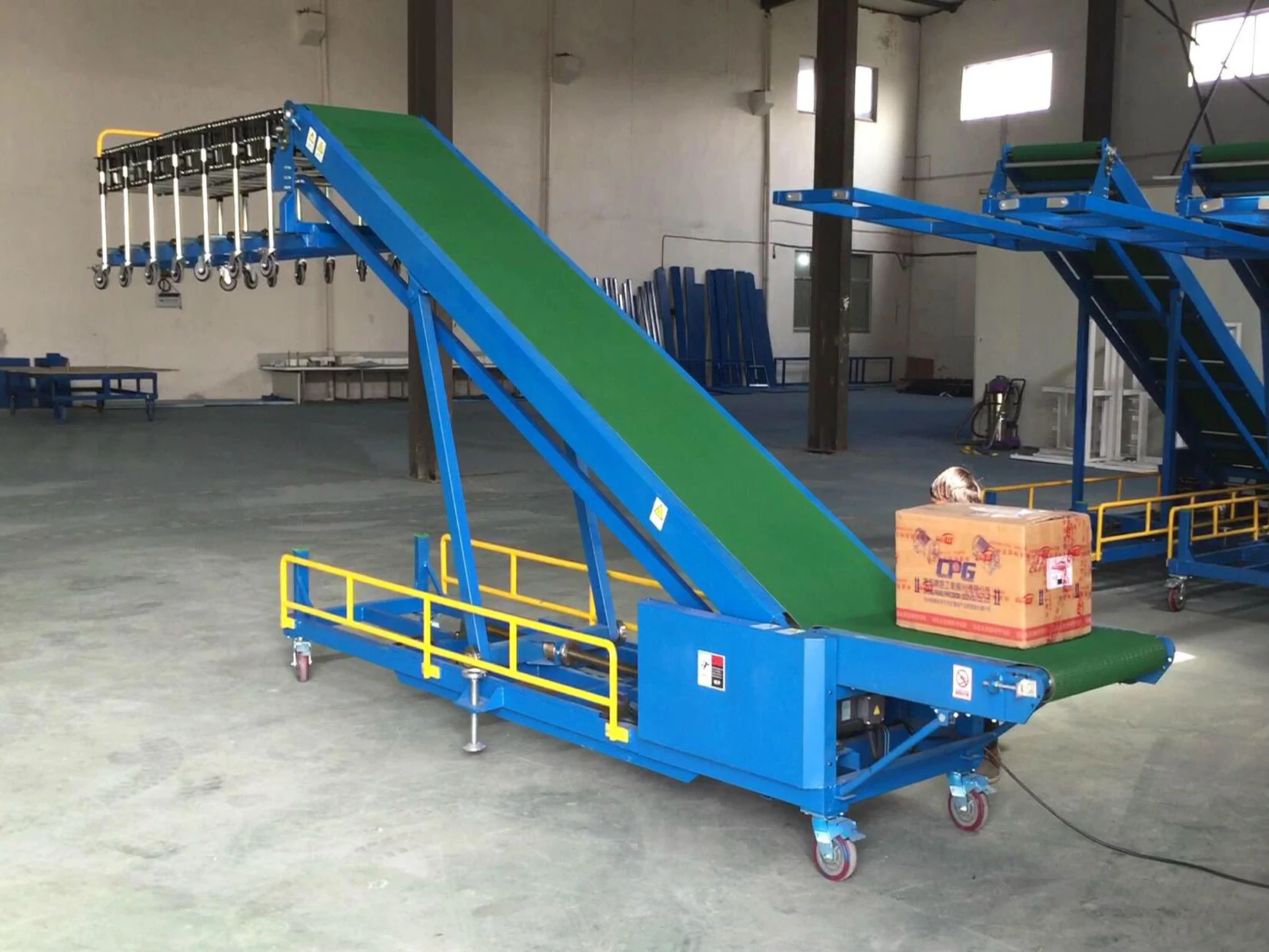
Sustainability has become an increasingly important consideration across nearly every aspect of business operations, and material handling equipment is no exception to this broader trend toward environmentally conscious decision-making. Loading conveyor systems, when properly designed and operated, can contribute meaningfully to a facility's overall sustainability goals through improved energy efficiency and reduced waste throughout the loading process.
Energy Consumption of Modern Conveyor Systems
Modern loading conveyor systems have made significant strides in energy efficiency compared to older generations of equipment, incorporating more efficient motors and smarter control systems that reduce power consumption during both active operation and idle periods between loading tasks. Businesses evaluating equipment options should specifically ask about energy efficiency ratings and typical power consumption figures, since these details can meaningfully affect both operating costs and overall environmental impact over the equipment's service life.
Reducing Fuel Consumption Through Faster Turnaround
Beyond the conveyor equipment's own energy consumption, faster loading times contribute to broader sustainability benefits by reducing the total time trucks spend idling at the dock, which directly reduces fuel consumption and associated emissions across an entire shipping fleet. A truck loading conveyor system that meaningfully speeds up loading can therefore deliver environmental benefits that extend well beyond the conveyor's own direct energy footprint, touching the broader transportation and logistics chain as well.
Improved Space Utilization and Reduced Trip Count
As discussed in relation to cargo space optimization, more efficient loading through conveyor systems often results in better trailer space utilization, which in turn reduces the total number of truck trips needed to move a given volume of goods over time. Fewer total trips directly translate into reduced fuel consumption and lower overall emissions for the same total shipping volume, representing a meaningful sustainability benefit that compounds significantly across a large-scale, ongoing shipping operation.

Reducing Waste Through Lower Product Damage
Product damage during loading represents a form of waste, since damaged goods often can't be sold or shipped and may need to be discarded entirely depending on the extent and nature of the damage involved. The reduced product damage associated with automated, controlled loading directly supports waste reduction goals, an increasingly important consideration for businesses working to minimize their overall environmental footprint across the entire supply chain.
Building Sustainability Into Equipment Selection
Businesses genuinely prioritizing sustainability should factor environmental considerations directly into their loading conveyor purchasing decisions, asking manufacturers specifically about energy efficiency, material sourcing, and end-of-life recyclability for the equipment being considered. This kind of environmentally conscious equipment selection, combined with the operational benefits already discussed throughout this article, helps businesses achieve efficiency and sustainability goals simultaneously rather than treating them as separate, competing priorities.

 English
 Arabic
 French
 Spanish
 Portuguese
 Deutsch
 Turkish
 Dutch
Dutch
 Italiano
 Russian
 Portuguese (Brazil)
 Greek
Greek