


dApps Development Services: Complete Guide to Building Secure & Scalable Decentralized Applications
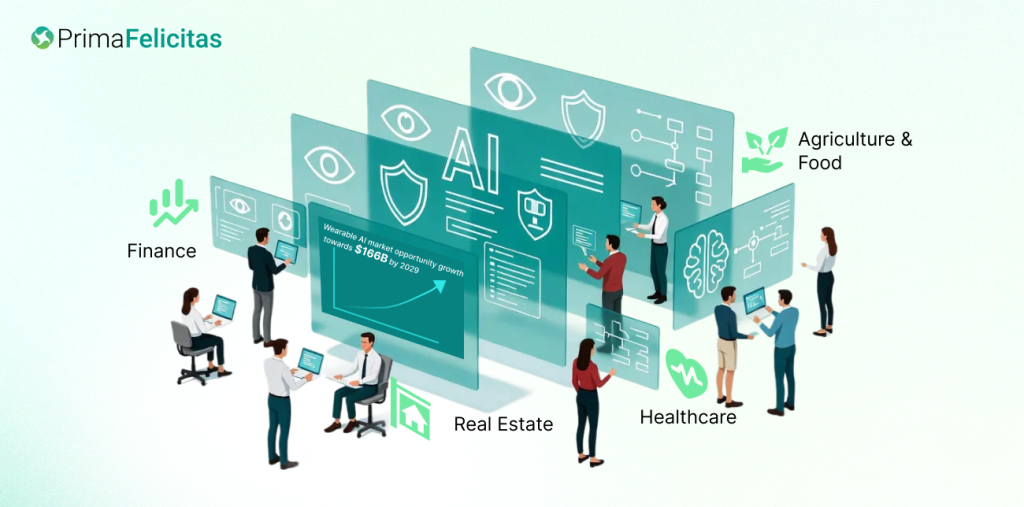
Decentralized applications, commonly known as dApps, are transforming how businesses build digital products by removing the need for centralized intermediaries. From decentralized finance and gaming to supply chain management and digital identity, dApps enable transparent, secure, and user-controlled applications powered by blockchain technology.
However, developing a reliable dApp requires more than simply connecting an application to a blockchain network. Businesses need the right architecture, smart contracts, security practices, scalability strategy, and blockchain expertise. This is where professional DApp development services can help organizations turn decentralized ideas into production-ready applications.
What Is dApp Development?
dApp development refers to the process of creating applications that use blockchain networks as part of their underlying infrastructure. Unlike traditional applications that depend primarily on centralized servers and databases, decentralized applications use blockchain networks, smart contracts, wallets, and decentralized storage or other Web3 technologies.
A typical dApp consists of several components, including a user-facing frontend, backend or blockchain logic, smart contracts, wallet integration, and blockchain infrastructure. These components work together to provide users with transparent and decentralized functionality.
For businesses entering Web3, working with an experienced DApp development company can simplify the process of selecting the right blockchain network, designing the architecture, developing smart contracts, and deploying the application securely.
Why Businesses Are Investing in Decentralized App Development
The growing adoption of blockchain is creating opportunities across multiple industries. Decentralized app development can provide businesses with several advantages:
-
Greater transparency: Blockchain transactions can be recorded on a public or permissioned ledger, depending on the application.
-
Improved security: Properly designed blockchain applications can reduce reliance on centralized points of failure.
-
User ownership: Users can maintain greater control over digital assets and blockchain-based identities.
-
Automation: Smart contracts can automatically execute predefined rules and transactions.
-
Reduced intermediaries: Certain business processes can be handled through programmable blockchain logic.
-
Global accessibility: Blockchain applications can potentially serve users across geographical boundaries.
These benefits make DApps relevant to industries such as finance, gaming, healthcare, real estate, entertainment, logistics, and digital marketplaces.
Key Components of DApps Development
Successful DApps Development requires several technical components to work together effectively.
1. Smart Contract Development
Smart contracts contain the business logic that executes on a blockchain. They can manage transactions, token transfers, ownership records, rewards, voting mechanisms, and other application functions.
Because smart contracts can directly control digital assets and transactions, they need to be carefully designed, tested, and audited before deployment.
2. Blockchain Network Selection
Choosing the appropriate blockchain is an important part of Blockchain dapp development. Developers may evaluate factors such as transaction speed, fees, ecosystem maturity, scalability, security, developer tools, and interoperability.
Ethereum remains one of the most established ecosystems for decentralized applications, while other blockchain networks can be considered based on specific project requirements.
3. Frontend Development
A dApp still needs an intuitive user interface. Developers build responsive web or mobile interfaces that allow users to interact with blockchain functionality without requiring extensive technical knowledge.
The frontend is typically connected to blockchain wallets and smart contracts, allowing users to sign transactions and manage digital assets.
4. Wallet Integration
Wallet integration enables users to connect their blockchain accounts with a decentralized application. Depending on the target ecosystem, developers can integrate compatible Web3 wallets and create secure transaction flows.
A smooth wallet experience is particularly important because complicated connection or transaction processes can negatively affect user adoption.
5. Testing and Security Audits
Security should be considered throughout the development lifecycle rather than only after the application is completed. Smart contracts and application logic should undergo comprehensive testing to identify vulnerabilities, unexpected behaviors, and potential attack vectors.
Professional security audits can provide an additional layer of assurance before deployment.
Ethereum dApp App Development
Ethereum has played a major role in the growth of decentralized applications because of its established smart contract infrastructure and extensive developer ecosystem. Ethereum dapp app development can be suitable for applications involving decentralized finance, NFTs, DAOs, gaming, tokenization, marketplaces, and other blockchain-based use cases.
Ethereum development can involve smart contract programming, token standards, wallet integration, decentralized storage, frontend development, testing, and deployment. Developers must also consider transaction costs and network scalability when designing the application.
For businesses targeting the Ethereum ecosystem, selecting an experienced DApps development company can help ensure that the application architecture is designed around both current requirements and future growth.
How to Build a Secure and Scalable dApp
Security and scalability should be incorporated into the architecture from the beginning. A typical development process includes the following stages:
1. Requirement Analysis: Define the business objective, target users, functionality, blockchain requirements, and technical constraints.
2. Architecture Design: Design the frontend, smart contracts, blockchain layer, APIs, wallet integration, and storage components.
3. Smart Contract Development: Develop and test contracts according to the application's business logic.
4. UI/UX Development: Create a simple interface that makes Web3 interactions accessible to users.
5. Integration: Connect the frontend with smart contracts, wallets, blockchain nodes, APIs, and other required services.
6. Testing and Auditing: Conduct functional, performance, security, and smart contract testing.
7. Deployment: Deploy the application and smart contracts to the selected blockchain network.
8. Monitoring and Maintenance: Continuously monitor performance, security, blockchain compatibility, and user feedback.
Choosing the Right DApp Development Company
Selecting the right development partner can significantly influence the success of a Web3 project. Businesses should evaluate a provider's blockchain expertise, smart contract capabilities, security practices, development methodology, technology stack, and previous project experience.
A reliable DApp development company should also understand that successful decentralized applications require both technical functionality and a strong user experience. Scalability planning, security audits, ongoing maintenance, and future upgrades should be considered before development begins.
Future of DApps Development
The future of decentralized applications is expected to extend beyond cryptocurrency-focused use cases. Businesses are exploring blockchain applications for tokenized assets, decentralized identity, gaming economies, financial services, supply chains, intellectual property, and digital ownership.
As blockchain infrastructure becomes more mature, the demand for secure and scalable DApp development services is likely to increase. Businesses that plan their blockchain architecture carefully can build applications capable of adapting to evolving Web3 ecosystems.
Conclusion
DApps provide businesses with a new approach to building applications around transparency, programmable transactions, digital ownership, and decentralized infrastructure. However, creating a successful decentralized application requires expertise across smart contracts, blockchain architecture, frontend development, wallet integration, security, and scalability.
Whether you are planning an Ethereum-based application or a multi-chain Web3 product, professional DApp development services can help transform your concept into a secure and scalable solution. To explore professional blockchain and Blockchain dapp development capabilities, businesses can work with an experienced development partner that understands the technical and strategic requirements of modern decentralized applications.

 English
 Arabic
 French
 Spanish
 Portuguese
 Deutsch
 Turkish
 Dutch
Dutch
 Italiano
 Russian
 Romaian
 Portuguese (Brazil)