


The Science Behind Moisture-Resistant Coatings in Sprintpackage's Cardboard Cylinder Packaging
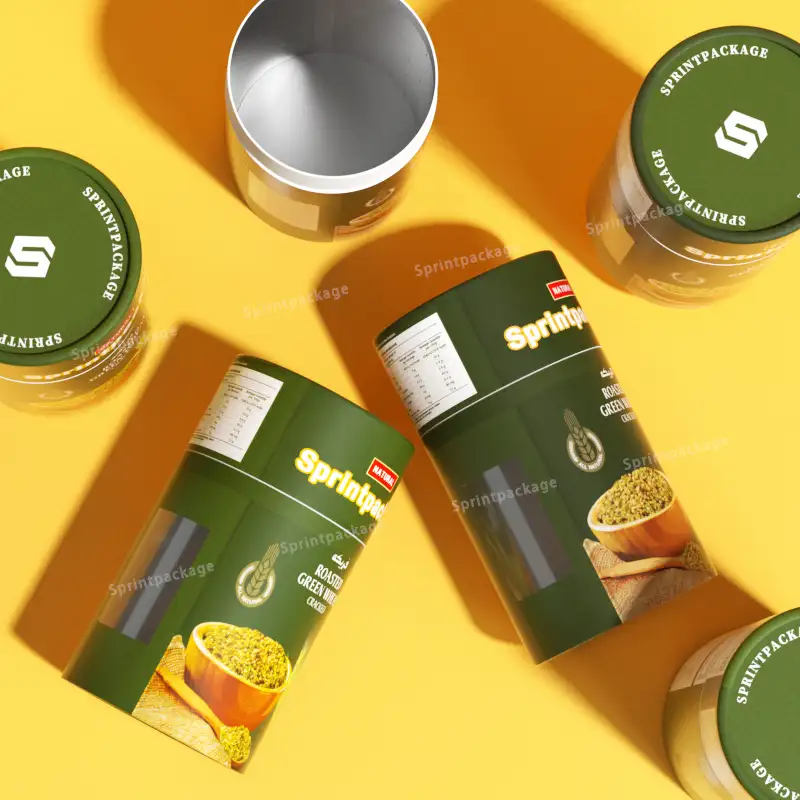
Paper has one stubborn weakness: it loves water. Humidity softens fibres, condensation causes warping, and spilled liquids can ruin a tube. Yet many products that benefit from paper packaging, such as candles, cosmetics, foods, and wine, are exposed to moisture, oil, or temperature changes. Protective coatings and linings solve this problem by creating a barrier between the paper and its environment. Understanding how these barriers work helps buyers choose wisely. Sprintpackage lists food-safe, recyclable cardboard tubes and moisture-aware designs among its range. This article explains the science behind protective coatings and what to consider when specifying cardboard cylinder packaging for demanding conditions.
Why Paper Absorbs Moisture
Paper is made of cellulose fibres, which attract and absorb water molecules. When fibres absorb moisture they swell and weaken, causing tubes to soften, lose rigidity, or warp. Humidity changes can also cause printed surfaces to wrinkle or lids to fit poorly. The effect is stronger in tropical climates, during sea freight, or in cold storage where condensation forms. Knowing the environment where the tube will travel and be stored is the first step. Ask the supplier how the tube behaves under high humidity, and share details about shipping routes and storage conditions so the right protection is chosen.
Barrier Coatings and Linings
A barrier works by blocking moisture or grease from reaching the paper. Common approaches include thin coatings applied to the surface, laminated films, or linings inside the tube. Some barriers are based on plastics, while others use water-based dispersion coatings or other paper-friendly solutions. Each has trade-offs in performance, cost, and recyclability. The company mentions biodegradable and recyclable materials, so buyers should ask exactly which coating or lining is used and whether the finished tube can be recycled with ordinary paper. Request technical information and test results rather than relying on general claims.
Food Contact and Oil Resistance
For food products, barrier performance also involves grease and safety. Snacks, nuts, and baked goods may contain oils that seep into paper, causing stains and weakening the tube. Coatings must resist grease while remaining suitable for food contact. The website mentions food-grade and BPA-free materials, though specific certificates are not listed, so buyers should ask for documents describing the lining and its approved use. Test with the real product for the full expected shelf life. Accelerated aging tests, where samples are stored under warm, humid conditions, can reveal problems before they reach customers.

Balancing Protection and Sustainability
Stronger barriers usually mean more complex materials, which can reduce recyclability. The challenge is to provide enough protection for the product without creating waste problems. Options include using the barrier only where needed, such as an inner lining, choosing coatings designed for paper recycling, or using separate inner pouches. Avoid over-specifying; a dry product with a short shelf life may need very little protection. Discuss the realistic requirements with the supplier and compare alternatives. Being honest about the compromise also helps you write accurate environmental claims on the packaging. Keep these points in mind whenever you compare cardboard cylinder packaging options for your own products.
Testing and Handling in Real Conditions
Laboratory descriptions only go so far. Test samples under real conditions: fill them, seal them, ship them, and store them in warm or humid areas. Check for softening, stains, warping, label lifting, and lid fit. Also consider handling advice, such as keeping cartons off floors, avoiding open storage, and using sealed bags in humid regions. Record results and share them with the supplier, so the design can be adjusted. Moisture resistance is not a single feature but a system that combines materials, coatings, structure, storage, and common sense to keep the tube performing from factory to customer. By treating moisture protection as a design decision instead of an afterthought, brands avoid soft tubes, stained labels, and disappointed customers, and they gain the freedom to use paper confidently for products that once seemed too demanding for anything but plastic.

 English
 Arabic
 French
 Spanish
 Portuguese
 Deutsch
 Dutch
Dutch
 Italiano
 Russian
 Romaian
 Portuguese (Brazil)
 Greek
Greek