


Snap 8 Peptide vs. Other Cosmetic Peptides: A Comparison
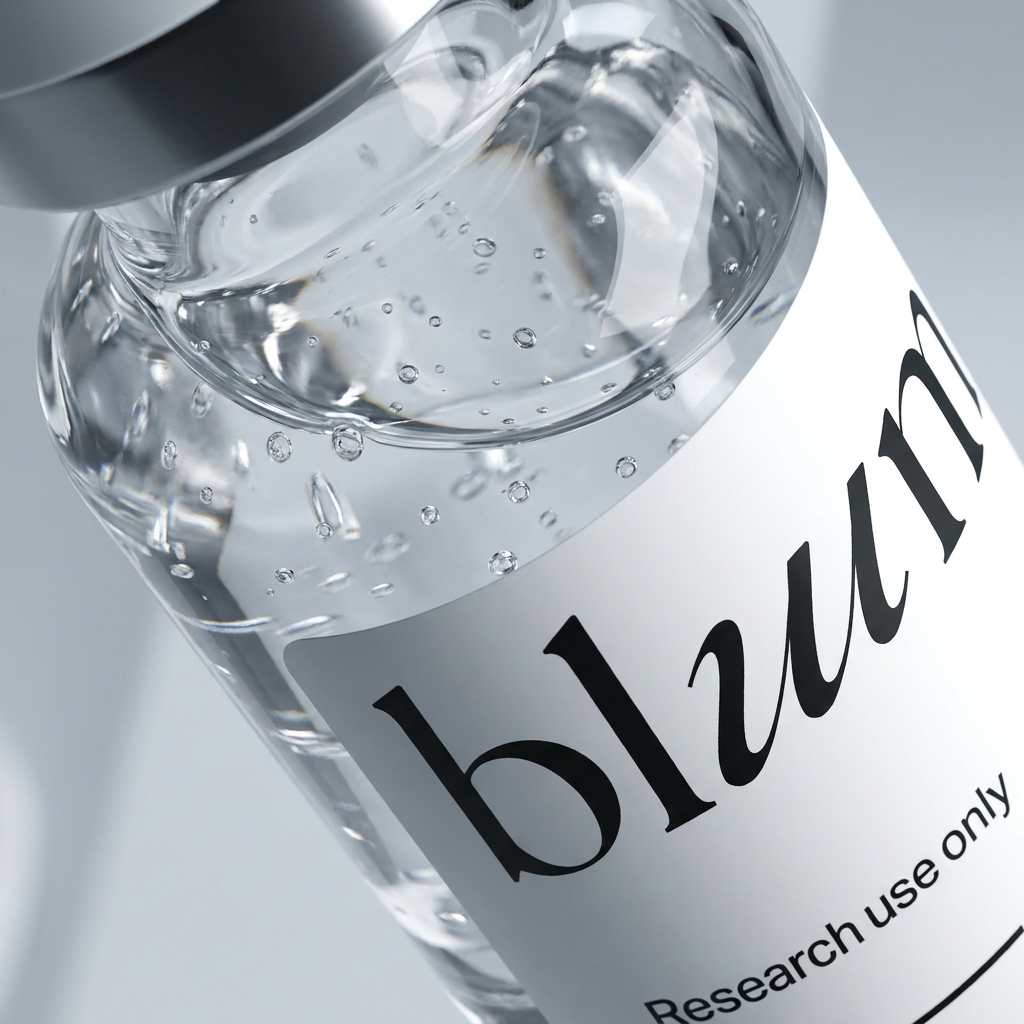
The snap 8 peptide is a synthetic cosmetic peptide that has become increasingly popular in discussions about modern skincare and expression lines. It is commonly identified as Acetyl Octapeptide-3 and was designed as an extended relative of Argireline, a shorter cosmetic peptide associated with SNAP-25 biology. Other cosmetic peptides, including GHK-Cu and Matrixyl-type peptides, work through different proposed biological pathways. Understanding these differences is more useful than treating every peptide as interchangeable.
Cosmetic peptides can vary significantly in structure, target, formulation, and evidence. SNAP-8 is primarily discussed in connection with expression-related facial lines and the SNARE complex, while other peptides are researched for skin structure, hydration, or extracellular-matrix processes. The available evidence also differs considerably between ingredients. In particular, claims about SNAP-8 should be interpreted carefully because independent clinical evidence specifically testing the isolated ingredient remains limited.
What Is the Snap 8 Peptide?
The snap 8 peptide is an eight-amino-acid synthetic peptide generally listed as Acetyl Octapeptide-3. It was developed as an extended version of the shorter Argireline peptide, adding two amino acids to its structure. Both peptides are modeled around a portion of SNAP-25, a protein involved in the SNARE complex and neurotransmitter release. This gives SNAP-8 a different research profile from peptides that primarily target extracellular-matrix or collagen-related processes.
The proposed mechanism of SNAP-8 involves interaction with the SNARE complex, which plays a role in communication between nerve cells and muscles. Researchers have proposed that the peptide may interfere with part of the complex involved in neurotransmitter release. This mechanism is the reason SNAP-8 is often associated with expression lines in cosmetic marketing. However, a plausible molecular mechanism does not by itself establish that topical application produces a clinically meaningful effect in human skin.
Snap 8 Peptide vs. Argireline
Argireline is one of the closest cosmetic peptides to SNAP-8 because the two share a similar design and proposed mechanism. Argireline is the shorter six-amino-acid peptide, while SNAP-8 contains eight amino acids. SNAP-8 was developed as an extension of the earlier peptide, which has led to claims that the longer sequence may provide stronger activity. However, structural differences alone do not establish that one ingredient performs better than another in finished skincare products.
The evidence supporting the two ingredients is also different. Argireline has a larger published research history, including human studies, while independent research specifically examining SNAP-8 remains much more limited. Some published work involving SNAP-8 has evaluated it as one ingredient within multi-component microneedle formulations rather than as an isolated topical ingredient. Therefore, evidence concerning Argireline should not simply be transferred to SNAP-8.
Snap 8 Peptide vs. GHK-Cu
GHK-Cu is another widely discussed cosmetic peptide, but its proposed biological role is quite different from that of SNAP-8. GHK-Cu is a copper-binding peptide that has been investigated in relation to extracellular-matrix biology, skin structure, and cellular signaling. SNAP-8, by contrast, is primarily associated with the SNARE pathway and expression-related facial lines. The two therefore represent different approaches to peptide-based cosmetic research.
This distinction matters when choosing how to interpret product claims. A skincare product containing GHK-Cu may be formulated around skin-conditioning or matrix-related goals, while a product containing SNAP-8 may be positioned around the appearance of expression lines. Neither ingredient should automatically be described as universally superior because they are designed around different biological concepts. The appropriate comparison depends on the specific cosmetic objective and the quality of evidence supporting the formulation.
Snap 8 Peptide vs. Matrixyl Peptides
Matrixyl is a broader family of cosmetic peptide ingredients rather than one single molecule. Several Matrixyl-branded ingredients are signal peptides designed to support research and cosmetic formulations involving extracellular-matrix components. Depending on the specific Matrixyl ingredient, the peptide sequence and proposed mechanism can differ. This makes Matrixyl fundamentally different from SNAP-8, which is a defined octapeptide associated with SNAP-25-related research.
The comparison illustrates why the word “peptide” alone provides very little information about how a cosmetic ingredient works. Two peptides can have completely different molecular targets and research purposes. SNAP-8 is generally associated with signaling related to expression lines, while Matrixyl-type ingredients are more commonly discussed in connection with dermal-matrix processes. Looking at the specific ingredient rather than the marketing category provides a much clearer scientific picture.
Snap 8 Peptide vs. Other Cosmetic Peptides
Other cosmetic peptides may be designed for purposes involving hydration, skin conditioning, antioxidant support, pigment-related pathways, or extracellular-matrix signaling. Their biological targets can differ substantially from those of SNAP-8. Some may have more extensive human research, while others may rely mainly on laboratory experiments or supplier data. Consequently, it is not scientifically accurate to assume that every cosmetic peptide has the same evidence level.
Another important consideration is the finished formulation. A serum may contain several peptides together with humectants, antioxidants, botanical ingredients, preservatives, and other components. If a study evaluates the complete formulation, its results cannot necessarily be attributed to one peptide. This is particularly relevant to SNAP-8 because some published studies have examined it alongside multiple other active ingredients or specialized delivery systems.
How Strong Is the Evidence for SNAP-8?
The available evidence for the snap 8 peptide should be interpreted conservatively. Its chemical identity and proposed SNARE-related mechanism are reasonably well described, but independent human research testing SNAP-8 alone is limited. Some published studies have included the peptide as part of multi-ingredient formulations, including microneedle-based delivery systems. Such studies can provide useful information about a formulation but cannot isolate the independent contribution of SNAP-8.
This evidence limitation is important because marketing claims sometimes imply that SNAP-8 has been extensively compared with other cosmetic peptides. Current research does not provide a strong independent basis for declaring SNAP-8 more effective than Argireline, GHK-Cu, or Matrixyl-type peptides. Instead, each ingredient should be assessed according to its specific evidence base, formulation, delivery method, and intended cosmetic claim.
Where Does Klow Peptide Fit Into the Comparison?
KLOW is generally described as a multi-peptide research formulation containing ingredients such as GHK-Cu, BPC-157, TB-500, and KPV. Klow peptide belongs to a very different category from the single cosmetic peptides commonly used in topical skincare. Because several compounds are present together, KLOW should not be treated as a direct substitute for a single cosmetic peptide such as SNAP-8. Its composition, research background, and intended research context are substantially different.
The comparison also demonstrates why researchers should distinguish between a single peptide and a blend. With SNAP-8, the research question can focus on one defined molecular compound. With KLOW, researchers need to consider multiple ingredients and determine whether evidence concerns each individual component or the complete formulation. Findings involving one KLOW component cannot automatically establish what the full blend does. This is an important evidence distinction when comparing peptide products.
Why Formulation Matters
A cosmetic peptide does not operate independently of the formulation in which it is delivered. Concentration, pH, vehicle composition, stability, packaging, and other ingredients can influence how a peptide behaves on the skin. A study involving one serum therefore cannot necessarily predict the performance of another serum containing the same peptide. This principle applies to SNAP-8, GHK-Cu, Matrixyl ingredients, and other cosmetic peptides.
Delivery is especially relevant to SNAP-8 because its proposed biological target is located beneath the outer skin barrier. Laboratory evidence concerning molecular activity does not automatically establish that enough peptide reaches the intended target after ordinary topical application. Some research has explored specialized delivery systems such as microneedle patches, but those findings should not automatically be generalized to conventional creams or serums.
How Beginners Should Compare Cosmetic Peptides
A useful comparison starts with ingredient identity rather than brand claims. Check the exact INCI name, peptide structure, intended cosmetic function, formulation, and available research. Then determine whether the evidence comes from laboratory experiments, animal models, human studies, manufacturer testing, or independent research. This process helps prevent evidence from one peptide being incorrectly applied to another. It also makes it easier to identify which claims are well supported and which remain preliminary.
Beginners should also pay attention to analytical quality when evaluating research materials. Batch identification, purity testing, identity confirmation, and appropriate documentation can help establish what material was actually used. For finished cosmetics, the complete ingredient list and formulation should be considered alongside the peptide itself. These details are particularly valuable when comparing products that use similar marketing language but contain different active ingredients.
Final Thoughts on Snap 8 Peptide and Cosmetic Peptides
The snap 8 peptide is a distinctive cosmetic peptide primarily associated with expression-line research and a proposed interaction with the SNARE complex. Argireline shares a closely related mechanism, while GHK-Cu and Matrixyl-type peptides represent different approaches involving skin structure and extracellular-matrix biology. Klow peptide is different again because it refers to a multi-peptide research formulation rather than one cosmetic peptide. These differences make direct claims of superiority difficult to support scientifically.
For a meaningful comparison, focus on molecular identity, biological target, delivery method, formulation, analytical quality, and the strength of human evidence. Current research does not provide a strong independent basis for ranking SNAP-8 above other cosmetic peptides. Instead, the evidence suggests that each ingredient should be evaluated on its own research record and intended cosmetic purpose. A careful, evidence-focused approach provides a more realistic understanding of what these peptide ingredients can and cannot currently demonstrate.

 English
 Arabic
 French
 Spanish
 Portuguese
 Turkish
 Dutch
Dutch
 Italiano
 Russian
 Romaian
 Portuguese (Brazil)
 Greek
Greek