


THE OREDO CONVERSATION — EPISODE 4
BEYOND PROJECTS: INVESTING IN PEOPLE
Healthcare, Education, Youth and Women in the Representation Conversation
When people discuss political representation, the conversation often centres on roads, electricity, buildings and other physical projects.
But communities are made up of people.
And for many families, the most important question is not simply what infrastructure is being built, but whether representation is helping people gain access to healthcare, education, opportunity and economic support.
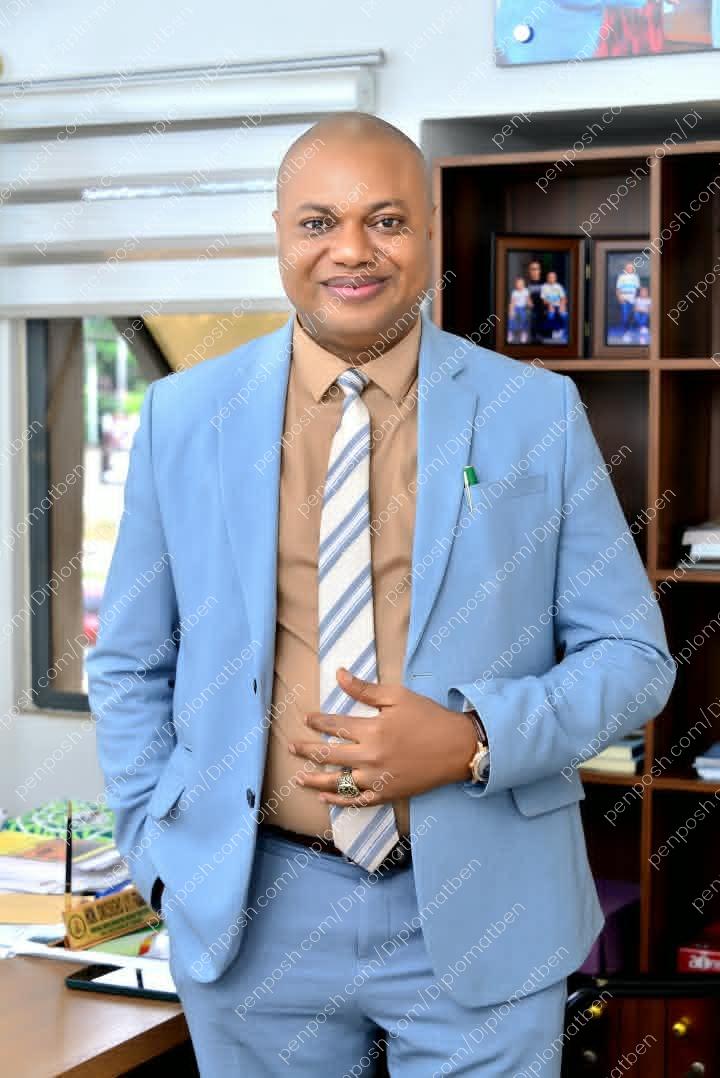
This is another area in which Hon. Frank Uyi Omosigho's record as a representative of Oredo East Constituency has been presented for public examination.
According to reports detailing his stated constituency interventions, Omosigho said 420 residents were enrolled in a health-insurance scheme, with beneficiaries paying only a portion of their hospital bills. A later report gave a higher figure of about 500 beneficiaries, demonstrating why constituency claims and project numbers should always be verified against available records.
His reported education-related interventions include assistance with JAMB and SSCE registration and full university sponsorship for one outstanding student. He has also identified support for women starting small businesses and initiatives aimed at creating opportunities for young people.
Youth engagement has reportedly included a constituency football tournament and efforts to facilitate employment opportunities for young people.
These interventions raise a broader question:
What should constituency representation mean to an ordinary person?
For a student, representation might mean help accessing an examination or education opportunity.
For a young person, it might mean skills, employment or a pathway away from unemployment and frustration.
For a woman trying to establish a small business, access to basic support could make the difference between an idea remaining an idea and becoming a source of income.
For a family facing medical expenses, health coverage can provide relief at a moment when it is most needed.
This is why people-centred representation deserves as much attention as physical infrastructure.
However, the same standard of accountability should apply here too.
How many people actually benefited?
How were beneficiaries selected?
What was the source of funding?
Were the interventions one-off or sustainable?
What measurable impact did they produce?
And perhaps the most important question:
How can successful interventions be expanded to reach more people?
These questions are particularly relevant as Omosigho seeks a federal mandate.
The House of Representatives provides a different platform from the State House of Assembly. At the federal level, representation can involve advocating for national programmes, engaging federal agencies, participating in legislation and oversight, and pursuing constituency opportunities within the federal system.
That means the discussion should move beyond what has already been done.
It should also examine what can realistically be achieved at the next level.
Omosigho has presented his existing record as evidence of his approach to grassroots representation. Whether that record meets the expectations of constituents is ultimately something the people themselves must assess.
And that principle should apply to every candidate.
Records should be examined.
Beneficiaries should be heard.
Claims should be verified.
Promises should be questioned.
Because political representation is ultimately about people—not statistics, photographs or campaign slogans.
The real measure is whether public service creates opportunities, solves problems and improves the lives of the people it is meant to serve.
That is why the conversation about Oredo must include not only projects, but also people.
THE OREDO CONVERSATION
EPISODE 4 — BEYOND PROJECTS: INVESTING IN PEOPLE
By: Benjamin Emmanuel
Political Affairs Researcher & Writer
Published on Penposh
Independent Digital Publishing Platform.
BEYOND PROJECTS: INVESTING IN PEOPLE
Healthcare, Education, Youth and Women in the Representation Conversation
When people discuss political representation, the conversation often centres on roads, electricity, buildings and other physical projects.
But communities are made up of people.
And for many families, the most important question is not simply what infrastructure is being built, but whether representation is helping people gain access to healthcare, education, opportunity and economic support.
This is another area in which Hon. Frank Uyi Omosigho's record as a representative of Oredo East Constituency has been presented for public examination.
According to reports detailing his stated constituency interventions, Omosigho said 420 residents were enrolled in a health-insurance scheme, with beneficiaries paying only a portion of their hospital bills. A later report gave a higher figure of about 500 beneficiaries, demonstrating why constituency claims and project numbers should always be verified against available records.
His reported education-related interventions include assistance with JAMB and SSCE registration and full university sponsorship for one outstanding student. He has also identified support for women starting small businesses and initiatives aimed at creating opportunities for young people.
Youth engagement has reportedly included a constituency football tournament and efforts to facilitate employment opportunities for young people.
These interventions raise a broader question:
What should constituency representation mean to an ordinary person?
For a student, representation might mean help accessing an examination or education opportunity.
For a young person, it might mean skills, employment or a pathway away from unemployment and frustration.
For a woman trying to establish a small business, access to basic support could make the difference between an idea remaining an idea and becoming a source of income.
For a family facing medical expenses, health coverage can provide relief at a moment when it is most needed.
This is why people-centred representation deserves as much attention as physical infrastructure.
However, the same standard of accountability should apply here too.
How many people actually benefited?
How were beneficiaries selected?
What was the source of funding?
Were the interventions one-off or sustainable?
What measurable impact did they produce?
And perhaps the most important question:
How can successful interventions be expanded to reach more people?
These questions are particularly relevant as Omosigho seeks a federal mandate.
The House of Representatives provides a different platform from the State House of Assembly. At the federal level, representation can involve advocating for national programmes, engaging federal agencies, participating in legislation and oversight, and pursuing constituency opportunities within the federal system.
That means the discussion should move beyond what has already been done.
It should also examine what can realistically be achieved at the next level.
Omosigho has presented his existing record as evidence of his approach to grassroots representation. Whether that record meets the expectations of constituents is ultimately something the people themselves must assess.
And that principle should apply to every candidate.
Records should be examined.
Beneficiaries should be heard.
Claims should be verified.
Promises should be questioned.
Because political representation is ultimately about people—not statistics, photographs or campaign slogans.
The real measure is whether public service creates opportunities, solves problems and improves the lives of the people it is meant to serve.
That is why the conversation about Oredo must include not only projects, but also people.
THE OREDO CONVERSATION
EPISODE 4 — BEYOND PROJECTS: INVESTING IN PEOPLE
By: Benjamin Emmanuel
Political Affairs Researcher & Writer
Published on Penposh
Independent Digital Publishing Platform.
THE OREDO CONVERSATION — EPISODE 4
BEYOND PROJECTS: INVESTING IN PEOPLE
Healthcare, Education, Youth and Women in the Representation Conversation
When people discuss political representation, the conversation often centres on roads, electricity, buildings and other physical projects.
But communities are made up of people.
And for many families, the most important question is not simply what infrastructure is being built, but whether representation is helping people gain access to healthcare, education, opportunity and economic support.
This is another area in which Hon. Frank Uyi Omosigho's record as a representative of Oredo East Constituency has been presented for public examination.
According to reports detailing his stated constituency interventions, Omosigho said 420 residents were enrolled in a health-insurance scheme, with beneficiaries paying only a portion of their hospital bills. A later report gave a higher figure of about 500 beneficiaries, demonstrating why constituency claims and project numbers should always be verified against available records.
His reported education-related interventions include assistance with JAMB and SSCE registration and full university sponsorship for one outstanding student. He has also identified support for women starting small businesses and initiatives aimed at creating opportunities for young people.
Youth engagement has reportedly included a constituency football tournament and efforts to facilitate employment opportunities for young people.
These interventions raise a broader question:
What should constituency representation mean to an ordinary person?
For a student, representation might mean help accessing an examination or education opportunity.
For a young person, it might mean skills, employment or a pathway away from unemployment and frustration.
For a woman trying to establish a small business, access to basic support could make the difference between an idea remaining an idea and becoming a source of income.
For a family facing medical expenses, health coverage can provide relief at a moment when it is most needed.
This is why people-centred representation deserves as much attention as physical infrastructure.
However, the same standard of accountability should apply here too.
How many people actually benefited?
How were beneficiaries selected?
What was the source of funding?
Were the interventions one-off or sustainable?
What measurable impact did they produce?
And perhaps the most important question:
How can successful interventions be expanded to reach more people?
These questions are particularly relevant as Omosigho seeks a federal mandate.
The House of Representatives provides a different platform from the State House of Assembly. At the federal level, representation can involve advocating for national programmes, engaging federal agencies, participating in legislation and oversight, and pursuing constituency opportunities within the federal system.
That means the discussion should move beyond what has already been done.
It should also examine what can realistically be achieved at the next level.
Omosigho has presented his existing record as evidence of his approach to grassroots representation. Whether that record meets the expectations of constituents is ultimately something the people themselves must assess.
And that principle should apply to every candidate.
Records should be examined.
Beneficiaries should be heard.
Claims should be verified.
Promises should be questioned.
Because political representation is ultimately about people—not statistics, photographs or campaign slogans.
The real measure is whether public service creates opportunities, solves problems and improves the lives of the people it is meant to serve.
That is why the conversation about Oredo must include not only projects, but also people.
THE OREDO CONVERSATION
EPISODE 4 — BEYOND PROJECTS: INVESTING IN PEOPLE
By: Benjamin Emmanuel
Political Affairs Researcher & Writer
Published on Penposh
Independent Digital Publishing Platform.

 English
 Arabic
 French
 Spanish
 Portuguese
 Deutsch
 Dutch
Dutch
 Italiano
 Russian
 Romaian
 Portuguese (Brazil)
 Greek
Greek