


How Does EPROM Help Devices Store Permanent Instructions?
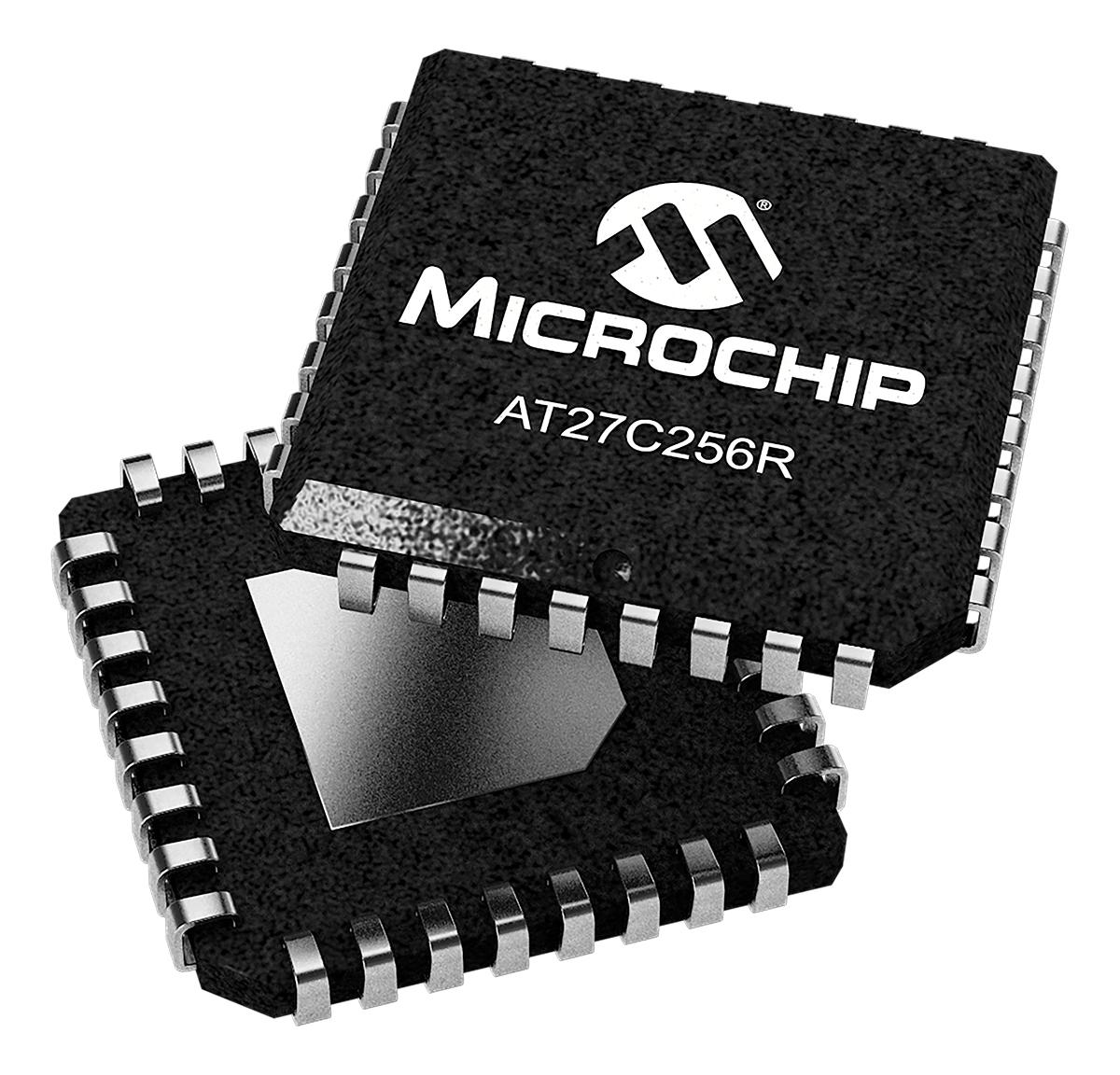
EPROM is a special type of memory chip used to store digital instructions that a device must keep even after power is turned off. The full form of EPROM is Erasable Programmable Read-Only Memory. It became a major part of electronic design because it allowed engineers to save firmware, erase it when required, and program the chip again.
In many electronic systems, memory is not only used for temporary data. Some information must stay inside the device at all times. This may include startup code, control instructions, calibration values, or operating logic. EPROM was created for this purpose. It gave electronic products a dependable way to remember essential instructions without needing continuous power.
Although newer memory technologies are now more common, EPROM remains important in older machines, embedded systems, training environments, and repair workshops.
What Is EPROM in Simple Terms?
EPROM is a non-volatile memory chip. Non-volatile means the stored information does not disappear when the power supply is removed. This feature makes EPROM different from RAM, which loses data when a device is turned off.
EPROM is usually programmed before it is installed in a system. Once it contains the required code, the device can read that code whenever needed. For example, a controller may read EPROM data to understand how to operate a motor, display information, or manage a process.
The chip can be erased and reused, but the erasing method is not instant. Traditional EPROM requires ultraviolet light to clear its stored data. This makes it different from EEPROM and flash memory, which can be erased electrically.
Why Was EPROM a Breakthrough in Electronics?
EPROM became valuable because it gave engineers more freedom during product development. Earlier memory types often had permanent data written during manufacturing. If the program had an error, changing it could be expensive and slow.
With EPROM, engineers could test a program, find faults, erase the chip, and program it again. This made it easier to improve firmware before a final product reached customers.
EPROM supported better development by allowing:
- Faster firmware testing
- Easier correction of programming mistakes
- Reusable memory during prototyping
- Lower cost for small production runs
- More flexible embedded system design
- Reliable storage for finished products
This flexibility helped EPROM become popular in computers, industrial equipment, automotive systems, and electronic instruments.
How Is Data Written to EPROM?
EPROM cannot be programmed with normal operating voltage. It needs a special device called an EPROM programmer. This programmer sends controlled electrical signals to the chip and writes data into selected memory locations.
Inside the chip, tiny floating-gate transistors hold electrical charge. These charges represent digital values. Once the programming process is complete, the data stays locked inside the chip until it is erased.
After programming, technicians usually verify the chip. Verification checks whether the written data matches the original file. This step is important because one incorrect bit can stop a device from working properly.
How Does UV Erasing Work in EPROM?
A classic EPROM chip has a small clear window on top. This window is made from quartz because quartz allows ultraviolet light to pass through. When the chip needs to be erased, it is placed under a UV eraser.
The ultraviolet light removes the charge stored inside the floating-gate transistors. Once the charge is removed, the memory becomes blank again. The chip can then be programmed with new data.
After programming, the window is normally covered with a sticker. This protects the data from accidental exposure to strong ultraviolet light. Without this protection, stored information may become unreliable over time.
Where Can EPROM Be Found?
EPROM has been used in many systems that need stable program storage. It was especially common before modern flash memory became widely available.
Typical places where EPROM may be found include:
- Industrial control boards
- Early computer motherboards
- Arcade game machines
- Automotive electronic modules
- Laboratory testing equipment
- Telecommunications systems
- Embedded microprocessor circuits
- Vintage electronic devices
- Measurement and calibration instruments
In these systems, EPROM often holds the main program that tells the hardware what to do.
Why Is EPROM Useful for Legacy Systems?
Many older machines are still active in factories, laboratories, and repair centres. These machines may depend on EPROM chips for their operating programs. Replacing the entire machine can be costly, so maintaining the EPROM can extend the system’s life.
Technicians may copy data from an old EPROM and save it as a backup file. If the original chip fails, the backup can be written to a replacement chip. This process helps protect important firmware and reduces downtime.
EPROM is also useful for restoration work. Vintage computers, arcade boards, and old control panels often need EPROM reading, cleaning, or reprogramming to work correctly again.
What Are the Main Benefits of EPROM?
EPROM offers several practical advantages, especially in systems where firmware changes are rare but reliability is important.
Key benefits include:
- Keeps data without power
- Can be erased and programmed again
- Supports firmware testing and updates
- Provides stable long-term storage
- Helps preserve older electronic systems
- Useful for technical learning and repair
- Suitable for devices with fixed operating instructions
These benefits explain why EPROM remained popular for many years and why it is still recognised in electronics today.
What Are the Main Drawbacks of EPROM?
EPROM is reliable, but it is not as convenient as modern memory. The need for ultraviolet erasing is the biggest limitation. The chip often has to be removed from the circuit before it can be erased and reprogrammed.
Common drawbacks include:
- Erasing takes more time
- UV eraser is required
- Programming needs special equipment
- Updates are not convenient inside the circuit
- Storage capacity is limited compared with modern memory
- Incorrect handling can damage the chip or corrupt data
Because of these limitations, EEPROM and flash memory became better choices for newer electronic designs.
Why Should Engineers Still Understand EPROM?
EPROM teaches important lessons about how digital systems store permanent instructions. It shows the connection between hardware, firmware, and memory technology. Anyone studying embedded systems can learn a lot from how EPROM works.
Understanding EPROM also helps technicians repair older equipment. In many industries, legacy systems remain valuable because they are stable, proven, and expensive to replace. Knowing how to read, erase, and program EPROM chips can be a useful skill in such environments.
Final Thoughts
EPROM is an important memory technology that gave engineers a practical way to store and update firmware. It helped electronics move from fixed program storage to more flexible programmable systems.
While modern devices now rely mostly on flash memory and EEPROM, EPROM still has a meaningful role in legacy repair, industrial maintenance, vintage computing, and technical education. Its lasting value comes from its reliability, reprogrammable design, and historic role in the development of digital electronics.

 English
 Arabic
 Spanish
 Portuguese
 Deutsch
 Turkish
 Dutch
Dutch
 Italiano
 Russian
 Romaian
 Portuguese (Brazil)
 Greek
Greek