


How Can the 712-6086 Oil-Filled Radiator Suit a Study?
A spare room can become a useful place to read, study or work at a computer, yet its heating needs may differ from the rest of the home. The room might only be occupied for part of the day, and its furniture arrangement may leave limited space for an additional appliance.
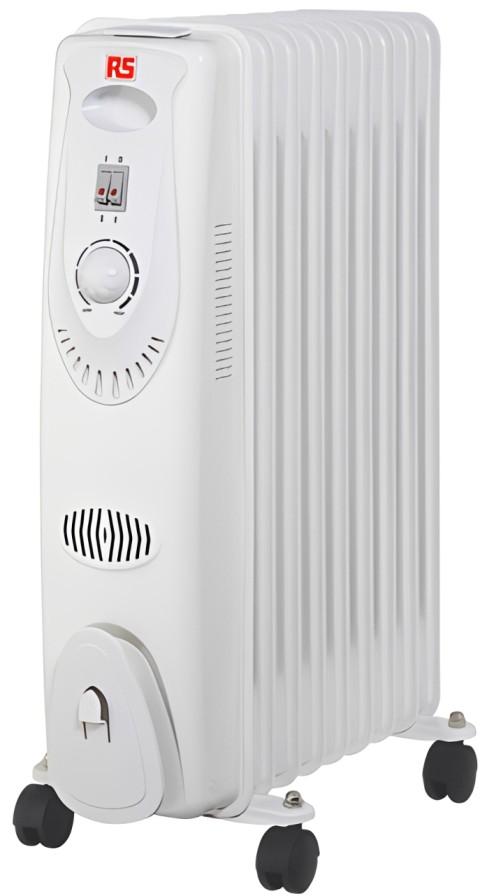
The 712-6086 Oil-Filled Radiator from RS PRO offers adjustable supplementary heating through a 2 kW maximum output, three power settings and variable thermostatic control. Its floor-standing design includes wheels for repositioning.
Choosing it for a home study starts with the room itself: how you use it, where the appliance can stand and whether its electrical connection matches your supply.
What Does Your Room Need During a Typical Day?
Consider when the space becomes uncomfortable. Is it chilly at the beginning of a morning session, throughout the afternoon or only during particularly cold weather?
These observations help establish whether occasional supplementary heating suits your routine. Write down the periods when the room is occupied and whether existing heating already serves it.
The supplied operating instructions specify private indoor use. This makes a domestic setting the appropriate starting point when considering this model.
Avoid choosing a heater solely because its maximum wattage sounds sufficient. A useful purchase should fit both the room’s heating requirements and the way you intend to use it.
Which Connection Detail Should Be Resolved First?
The product datasheet identifies a European plug, listed as Type C. Resolve this specification before planning to use the radiator with a standard UK socket.
For UK use, ask the supplier about an appropriate version fitted with a UK three-pin plug. Electrical Safety First recommends this plug arrangement for portable heaters and advises against powering them through extension leads.
Check the location of the intended wall socket while reviewing the room. A convenient corner is only useful if the heater can be connected correctly without an unsuitable lead arrangement.
Settling this point early prevents the electrical connection from becoming an afterthought.
How Can You Map Out a Practical Heating Position?
The published dimensions are 660 mm high, 370 mm wide and 165 mm deep. Use these as an initial guide, then allow for the required clearance and the complete assembled appliance.
Suitable Tape Measures can help you assess potential positions before ordering.
Look beyond the furniture’s resting position. Pull the desk chair back, open cupboard doors and check the route between the desk and doorway. Consider where bags, paper and curtains normally sit.
Electrical Safety First advises placing portable heaters on a level surface, away from anything that could knock them over, with at least one metre between the heater and combustible materials.
The aim is a position that remains suitable during normal room use.
What Deserves Attention When You First Unpack It?
Prepare the radiator according to its assembly instructions before connecting it. The wheel bases require attachment using the supplied fittings, and the appliance must be upright for operation.
Inspect the casing and supply cable, and confirm that the rating label matches the available supply. The instructions also require the lead to remain clear of hot surfaces, sharp edges and walking routes.
Keep the instructions somewhere accessible. Familiarise yourself with the controls before your first study session so adjustments feel straightforward when the appliance is in use.
Retain the product reference with your purchase record. This makes future enquiries about servicing or replacement easier.
What Can a Temperature Record Reveal?
A room that feels comfortable on one day may feel different the next. Rather than repeatedly changing settings without a reference, make a short record of conditions during several occupied sessions.
Useful observations include:
-
The room temperature when you begin
-
The selected heating setting
-
The time when the room feels comfortable
-
Changes to doors, windows or existing heating
-
Whether comfort remains consistent at the desk
Temperature-capable Data Loggers can record changes over time. Select a model intended for ambient air measurement and follow its positioning instructions.
Treat these readings as information about the room. They do not provide a direct measurement of the radiator’s electricity consumption or replace its controls.
A simple record can help you decide whether the arrangement suits your needs.
How Does Fresh Air Fit Into a Comfortable Study?
Warmth is one part of a pleasant room. Ventilation also matters, particularly when a small space remains occupied for several hours.
Energy Saving Trust explains that insulation and draught-proofing improvements should be accompanied by adequate ventilation. Required ventilation openings should remain available so fresh air can enter and moisture can escape.
Include window-opening habits in your temperature notes. This provides context when comparing one session with another.
If the room repeatedly feels damp or stuffy, investigate its ventilation and moisture conditions. Adjusting the radiator alone does not address every cause of discomfort.
How Should Heating Fit Around Breaks?
Build operation around periods when you are present. The radiator’s instructions prohibit leaving it unattended while connected and warn against using an external timer or another self-starting switching device.
Make switching off and unplugging part of your routine when leaving the room. Allow the appliance to cool before repositioning it.
Keep a clear space around the radiator throughout the day. A coat placed nearby during a break or a stack of papers moved beside it can change an otherwise suitable arrangement.
What Supports a Well-Prepared Home?
Check that your home’s fire detection arrangements are working. Appropriate Smoke Alarms should be selected, positioned and maintained according to their instructions. Electrical Safety First recommends smoke or heat detection as part of portable-heater safety.
Before choosing the 712-6086 Oil-Filled Radiator, confirm the plug version, identify a suitable position and decide when supplementary heating is needed. Those practical decisions give the appliance a clear purpose within your home study and make everyday use easier to manage.

 Arabic
 French
 Spanish
 Portuguese
 Deutsch
 Turkish
 Dutch
Dutch
 Italiano
 Russian
 Romaian
 Portuguese (Brazil)
 Greek
Greek