


How to Choose an IPTV Service and IPTV Box
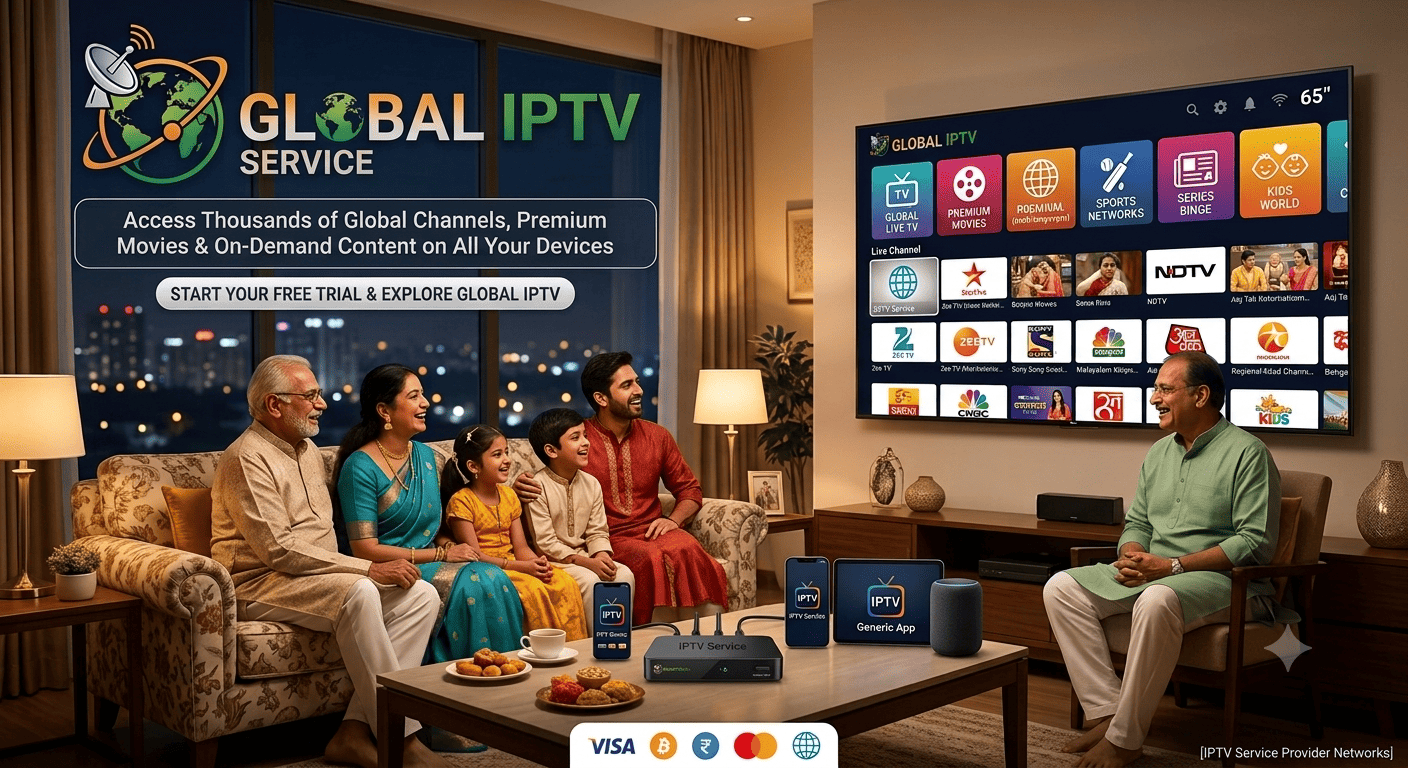
Choosing a television service today involves more options than it did in the past. Internet-based entertainment has created new ways to watch live television and on-demand content. An IPTV Service is one option for viewers who want television programming delivered through an internet connection.
A compatible IPTV Box can complement the service by providing a dedicated way to access supported IPTV applications on a television. However, both the service and device should be selected carefully.
Understanding IPTV
IPTV stands for Internet Protocol Television. It refers to television content delivered through an IP network rather than relying exclusively on traditional broadcast methods.
An IPTV Service may offer live channels, video-on-demand content, movies, television programs, or specialized programming. The exact selection depends on the provider.
This means there is no universal IPTV package. Two providers can offer completely different channels, applications, prices, and support options.
Why Use an IPTV Box?
Many people prefer watching television on a large screen rather than a phone or computer. An IPTV Box can provide a convenient connection between the television, internet network, and compatible IPTV application.
Most boxes are designed to connect to the television and internet. After setup, users can navigate supported applications using a remote control.
Some IPTV Boxes are basic, while others include advanced hardware and additional streaming features. The right choice depends on how the device will be used.
Important Hardware Specifications
When shopping for an IPTV Box, pay attention to several specifications.
The processor affects overall responsiveness, while RAM can influence how smoothly applications operate. Storage capacity may be useful if additional applications are installed.
Network connectivity is also important. A device with both Wi-Fi and Ethernet provides more flexibility.
Users should also check HDMI and video-resolution support to ensure that the box works properly with their television.
Selecting an IPTV Service
Once the hardware has been considered, the next step is evaluating the IPTV Service itself.
Look at the channel lineup and determine whether it includes the content you actually watch. If you prefer international or regional programming, check those categories specifically.
Consider the number of supported devices as well. Some providers may allow multiple device types, while others may have platform restrictions.
Customer support can also be important. Clear setup instructions and responsive assistance can make troubleshooting easier.
Streaming Quality
Streaming quality depends on several factors. The provider's source stream, your internet connection, device capabilities, and network conditions can all influence playback.
A high-speed internet plan can help, but speed alone does not guarantee a perfect experience. Stability and latency also matter.
If an IPTV Box is connected through Wi-Fi, distance from the router and physical obstacles can affect performance. A wired connection can sometimes provide more consistent network performance.
Avoiding Common Mistakes
One common mistake is choosing an IPTV Service solely because it advertises a very large number of channels.
A huge channel count does not necessarily mean the service has the programs you want. Instead, review the actual channel categories and content availability.
Another mistake is purchasing an IPTV Box without checking compatibility. Before buying, verify that the device supports the application or platform required by your chosen service.
Legal and Service Considerations
Users should also research the provider's content rights. IPTV technology itself is simply a method of delivering television over an IP network, but individual services may have different licensing arrangements.
Before subscribing, check whether the provider is authorized to distribute its content in your region.
Users should also review pricing, renewal terms, cancellation policies, and customer support information.
Creating Your IPTV Setup
A practical IPTV setup normally includes an internet connection, compatible television, IPTV Box or supported smart-TV platform, and IPTV Service.
After connecting the hardware, users can configure the required application according to the provider's instructions.
Keeping the device's operating system and applications updated can help maintain compatibility.
Conclusion
Choosing an IPTV Service and IPTV Box requires consideration of more than price. Channel availability, hardware compatibility, network quality, application support, customer service, and licensing all matter.
By researching each part of the setup before subscribing, viewers can build an IPTV environment that better matches their television habits and technical requirements.

 English
 Arabic
 French
 Portuguese
 Deutsch
 Turkish
 Dutch
Dutch
 Italiano
 Russian
 Romaian
 Portuguese (Brazil)
 Greek
Greek