


When Your Home’s Electrical Panel May No Longer Be Enough
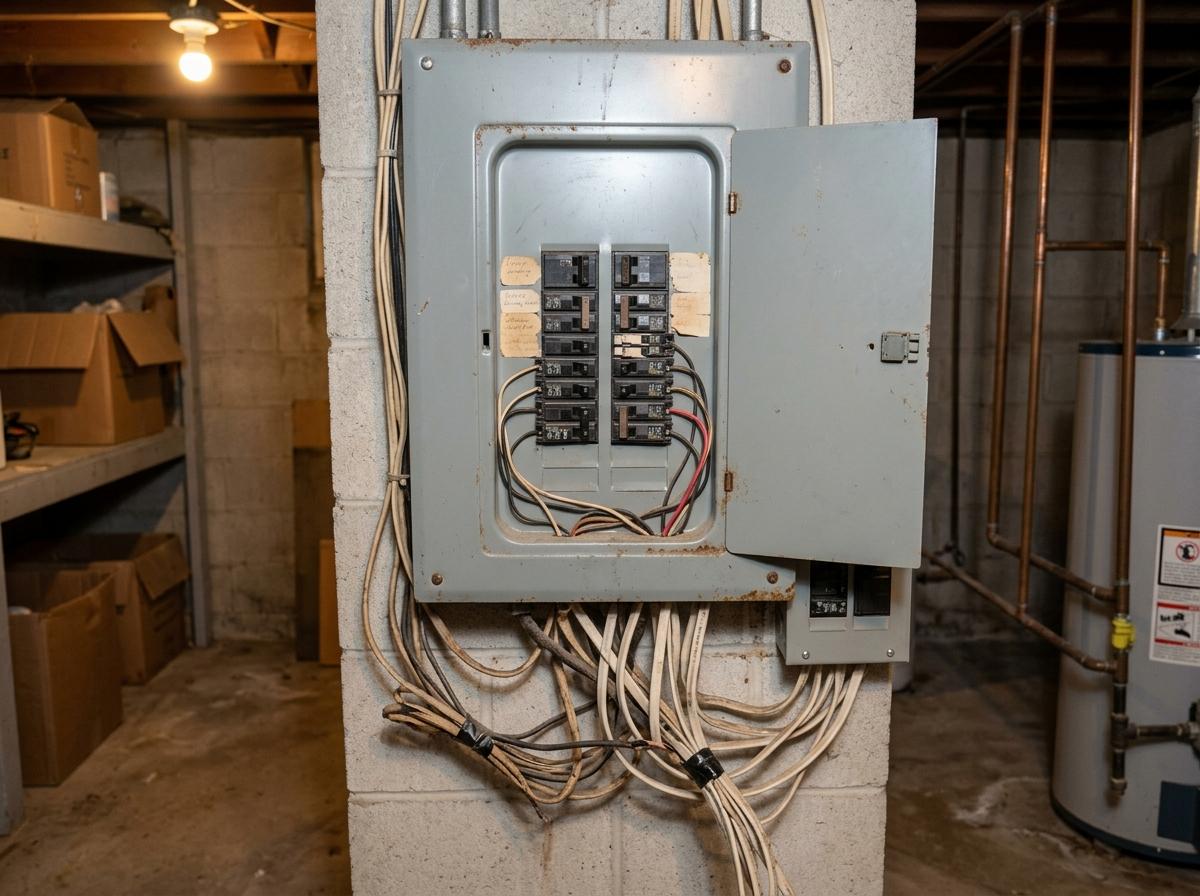
The electrical panel distributes power to the circuits throughout a home. As households add appliances, electronics, HVAC equipment, charging systems, and other electrical loads, the demands placed on the panel can increase substantially.
A panel that worked well years ago may eventually become difficult to adapt to the home's current needs. That does not necessarily mean it is unsafe or that replacement is immediately required. Instead, homeowners should look for signs that the existing electrical system is approaching its practical limits and understand what a panel upgrade actually involves.
Start by Looking at Current Electrical Demand
The number of electrical devices in a home has increased significantly compared with previous generations. Large appliances, computers, entertainment systems, HVAC equipment, and EV chargers can all contribute to the home's total electrical load.
Before making changes to the panel, consider which appliances operate at the same time and which ones have significant power requirements. This provides a better picture of actual demand than simply counting the number of outlets or rooms in the house.
Frequent Breaker Trips Deserve Attention
A breaker that trips occasionally can have a simple explanation, but frequent trips may indicate an overloaded circuit, faulty appliance, wiring problem, or another electrical condition.
Pay attention to which breaker opens and what equipment was running when it happened. A pattern can provide valuable information during an electrical evaluation. Repeatedly resetting a breaker without investigating why it trips can leave the underlying problem unresolved.
Warmth or Discoloration Is a Warning Sign
Electrical panels should not normally develop unusual heat or visible discoloration. Signs of overheating, melted components, burning odors, or scorch marks should be treated seriously.
These symptoms may indicate a loose connection, overloaded circuit, damaged component, or another electrical issue. Homeowners should avoid opening the panel to investigate themselves. Electrical equipment can remain energized even when some circuits are switched off, so professional evaluation is appropriate when warning signs appear.
Think About Older Panels
Some older homes were designed around electrical demands that are much lower than what modern households use. Over the years, homeowners may have added equipment without fully updating the electrical infrastructure.
The age of a panel alone does not determine whether replacement is necessary. Its condition, capacity, configuration, protective features, wiring, and compatibility with current household needs are more important considerations.
When a Home Electrical Panel Upgrade Makes Sense
A home electrical panel upgrade may be considered when the existing panel cannot comfortably support planned electrical loads, lacks needed capacity, has significant condition concerns, or is being expanded as part of a larger home improvement project.
The upgrade should be planned around the complete electrical system. A larger panel alone does not solve every wiring or load problem. The service size, conductors, circuits, grounding, protective devices, and major appliances all need to be considered together.
Think About New High-Demand Appliances
Homeowners may add electric ranges, dryers, HVAC systems, water heaters, workshop equipment, or EV chargers over time. Each addition can affect how much electrical capacity the property needs.
Before adding a major appliance, check its electrical requirements and determine how it will fit into the existing system. Planning several future additions at once can also help avoid making repeated electrical changes every time a new appliance is purchased.
Consider an EV Charger as Part of the Bigger Picture
An EV charger can represent a meaningful new electrical load for a home. If the property already has several large appliances, the panel should be evaluated before the charger is installed.
This is especially useful when homeowners are also considering future upgrades. A panel decision made around one charger today should not unnecessarily limit other realistic electrical improvements later.
Check the Panel for Available Space
Open breaker positions can be useful, but empty spaces alone do not prove that the panel has enough capacity. A panel can have room for another breaker while the overall electrical service is already heavily loaded.
This is why professional evaluation considers both physical space and electrical demand. The distinction can prevent homeowners from assuming that an available slot automatically means another major load can be added safely.
Think About Panel Location
The panel should remain accessible for service, inspection, and emergency operation. During remodeling, it can be tempting to place storage, cabinets, or other features too close to the panel.
Keep the area around the panel clear and consider access before completing any renovation. A panel that becomes difficult to reach can create problems when circuits need to be shut down or electrical work needs to be performed.
Review Wiring Along With the Panel
A panel upgrade may be part of a broader electrical improvement, particularly when older wiring or previous modifications are present. The condition of branch circuits should be considered before a new panel is installed.
Replacing the panel without addressing major wiring limitations may not solve every problem. The electrical distribution system should be reviewed as a whole so the upgrade improves the areas that actually limit performance or safety.
Do Not Ignore Flickering Lights
Flickering lights can have several possible causes, including loose connections, overloaded circuits, fixture problems, voltage variations, or other electrical conditions.
A brief flicker associated with a specific device may be different from widespread or recurring flickering throughout the home. When several fixtures are affected, it is worth documenting the pattern and arranging an appropriate inspection rather than assuming the bulbs are simply failing.
Consider Remodeling Plans
Kitchen renovations, room additions, finished garages, workshops, and other major projects often increase electrical demand. A panel that is adequate today may need additional planning when several new circuits are added.
Review electrical capacity before construction begins. It is easier to coordinate panel work, circuit additions, and wiring routes before walls are closed and finished surfaces are installed.
Backup Power Can Affect Panel Planning
Homeowners considering a generator or other backup power system should think about how essential circuits will be handled during an outage. The panel configuration can influence how backup power is distributed.
Not every circuit needs to remain active during an outage. Identifying essential loads such as refrigeration, heating, medical equipment, communications, or selected lighting can help shape a more practical backup strategy.
Keep Electrical Records Updated
After an electrical upgrade, keep a record of the panel configuration, major circuits, new equipment, and other relevant work. Clear labeling can make future troubleshooting easier and reduce confusion when additional changes are planned.
Documentation is particularly useful in homes with several renovations completed at different times. Knowing what changed and when can provide valuable context during future electrical service.
When Replacement Is Better Than Repeated Additions
Some electrical systems reach a point where repeated small modifications become difficult to justify. Multiple service calls, limited capacity, aging components, and increasingly complex additions can indicate that a larger upgrade should be considered.
The decision should be based on the actual condition of the electrical system, not simply the age of the home. A professional evaluation can identify whether targeted repairs are enough or whether a broader panel and service upgrade would provide a more practical long-term solution.
Final Thoughts
An electrical panel should support the home's current demands while leaving room for realistic future changes. Breaker trips, heat, discoloration, limited capacity, new high-demand appliances, and remodeling plans can all justify a closer review of the system.
This connects with electric power distribution, the process of delivering electricity through a network of conductors and protective equipment to where it is used. Understanding the panel as part of that larger distribution system helps explain why capacity, wiring, protection, and future demand all matter when planning an upgrade.

 English
 Arabic
 French
 Spanish
 Portuguese
 Deutsch
 Turkish
 Dutch
Dutch
 Italiano
 Russian
 Portuguese (Brazil)
 Greek
Greek