


Glass Fibre Price Trend: Market Review for Q1 2026
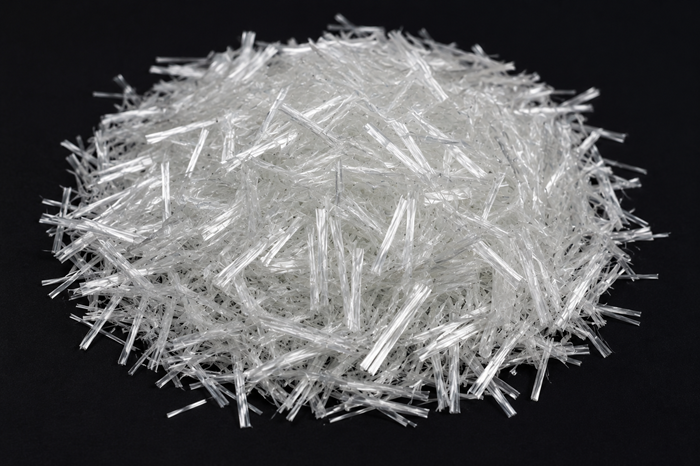
The global glass fibre market remained relatively balanced during the first quarter of 2026, although individual regions experienced different price movements. Production costs were generally stable because important raw materials such as silica, limestone, and various chemicals did not see major changes for most of the quarter. At the same time, demand from construction, automotive, wind energy, and reinforced plastic applications remained steady.
Glass fibre is widely used because it provides strength, durability, and relatively low weight. It is found in construction materials, composite products, vehicle components, wind turbine blades, pipes, tanks, and many industrial products. Because of this wide range of applications, changes in construction activity, infrastructure investment, automotive production, and renewable energy projects can influence market demand.
Please Submit Your Query For Glass Fibre Price Trend, Market Analysis and Forecast: https://www.price-watch.ai/book-a-demo/
During March 2026, the international market remained mostly stable. However, geopolitical tensions between the United States and Iran created uncertainty in energy markets and pushed crude oil costs higher. This had an indirect effect on glass fibre production and distribution because energy and transportation expenses are important parts of the overall supply chain.
The Glass Fibre Price Trend during the quarter therefore varied from one region to another. Some importing countries experienced higher costs because of currency fluctuations and increased transportation expenses. Other markets saw lower or stable prices because shipping arrangements improved and logistics costs were more manageable.
Global Market Conditions
The international glass fibre market did not experience a major supply shortage during Q1 2026. Producers generally maintained reasonable operating rates and managed inventories according to market requirements. This helped keep the balance between supply and demand relatively comfortable.
Raw material costs were one of the main reasons prices remained stable. Silica and limestone are important materials used in glass production, while other chemicals are also required during manufacturing. When these inputs remain stable, producers have fewer reasons to make major changes to their selling prices.
Energy costs became more important during March. Rising crude oil prices following geopolitical developments increased transportation and operating expenses in several countries. Higher fuel costs can affect the movement of raw materials as well as finished glass fibre products.
For international buyers, freight costs are especially important because glass fibre is traded across regions. A change in shipping expenses can affect the final landed cost even when the producer's basic quotation remains unchanged.
Demand remained steady from several major end-use industries. Construction composites continued to consume glass fibre for reinforcement, while wind turbine manufacturers required the material for blade production. Automotive applications also remained an important source of demand.
Because consumption remained consistent and supply was generally sufficient, the global market did not experience extreme price volatility during the quarter.
Market Conditions in China
China remained relatively stable during Q1 2026. The market benefited from a reasonable balance between supply and demand, particularly in reinforced plastics, wind energy applications, and building composites.
Glass fibre producers in China maintained efficient production levels during the quarter. Manufacturers managed output according to market requirements and kept inventories under control. This helped prevent excessive supply from creating strong downward pressure on prices.
Demand from reinforced plastics remained consistent. These materials are used in many products where additional strength and durability are required. Construction composites also provided steady consumption, particularly for infrastructure and building-related applications.
Wind energy continued to be another important demand area. Glass fibre is widely used in wind turbine blades because it provides strength without adding excessive weight. Continued activity in renewable energy supported regular purchasing from manufacturers in this sector.
Raw material costs remained mostly stable, which helped producers maintain relatively consistent offers. However, crude oil prices increased in March because of geopolitical concerns. This created some additional pressure through energy and transportation costs.
Despite these changes, the overall Chinese market remained calm. In March 2026, glass fibre values in China increased by 0.27%, representing only a small monthly movement.
The limited increase reflected the relatively balanced market. Producers did not face a major shortage, while buyers continued purchasing according to their normal production requirements. Stable exports and controlled inventories also helped keep market conditions manageable.
Market Conditions in India
The Indian market showed a stronger upward movement compared with China during Q1 2026. Glass fibre values in India increased by 3.30% in March on an Ex-Delhi basis.
The main support came from higher procurement and distribution costs combined with steady downstream demand. Infrastructure reinforcement, construction composites, and wind energy component manufacturers continued to purchase glass fibre during the quarter.
India has been seeing continued use of composite materials in infrastructure and industrial applications. Glass fibre is useful in these areas because it can provide reinforcement while keeping products relatively lightweight and durable.
Construction-related demand remained an important source of support. Glass fibre is used in various reinforced materials and composite structures, so stable construction activity helped maintain regular consumption.
The wind energy sector also contributed to demand. Manufacturers of wind energy components require glass fibre-based materials for products such as turbine blades. Continued renewable energy activity therefore helped maintain a stable flow of orders.
Transportation costs became more important during March. The increase in crude oil prices pushed fuel and logistics expenses higher, affecting the domestic distribution chain. Suppliers faced increased costs for moving material between production, storage, and customer locations.
These higher expenses were reflected in supplier quotations. Rather than reducing offers, sellers maintained relatively firm pricing because operating and distribution costs had increased.
The Indian market therefore remained stronger than the Chinese market during March. The 3.30% monthly increase indicated a relatively bullish environment, supported by both cost pressure and steady demand.
Role of Raw Materials and Logistics
Raw materials have a direct effect on the economics of glass fibre production. Silica and limestone form important parts of the glass-making process, while different chemicals are used depending on the type and specification of glass fibre being produced.
Stable raw material costs during most of Q1 helped producers avoid major increases in manufacturing expenses. This was one reason the international market remained relatively balanced.
Logistics presented a different situation. Higher crude oil prices during March increased transportation expenses in several markets. Fuel costs affect road transportation, shipping, and other parts of the supply chain.
For import-dependent buyers, freight can make a noticeable difference to the final purchasing cost. A lower producer quotation may not necessarily result in a lower delivered price if shipping and distribution expenses rise.
Currency movements can also influence regional markets. Buyers importing glass fibre may face higher costs when exchange rates move unfavorably, even when international product prices remain stable.
These factors explain why different countries experienced different market movements during the same quarter.
Demand Outlook
Demand from construction, automotive, infrastructure, and renewable energy applications is expected to remain important for the glass fibre market. Construction composites require reinforcement materials for strength and durability, while automotive manufacturers use glass fibre in various lightweight components.
Wind energy is another significant area. As manufacturers continue developing wind turbine equipment, demand for strong and lightweight composite materials can provide long-term support to glass fibre consumption.
The market is also influenced by general industrial activity. When manufacturing and infrastructure projects remain active, buyers usually maintain regular procurement. If economic activity slows, companies may reduce inventory and purchase only what is immediately required.
During Q1 2026, demand remained sufficiently stable to support the market, while supply was generally comfortable.
Market Outlook
The first quarter of 2026 showed a relatively balanced international glass fibre market with noticeable regional differences. China remained mostly stable, while India experienced stronger upward pressure because of higher procurement and distribution costs.
Looking ahead, raw material prices will remain important for producers. Any significant increase in silica, limestone, chemicals, or energy expenses could raise production costs. Freight rates and crude oil prices will also continue influencing the final cost for buyers.
For India, continued infrastructure, construction, and wind energy activity could provide support to demand. However, higher transportation expenses may remain a challenge if crude oil prices stay elevated.
Overall, Glass Fibre Prices remained relatively stable globally during Q1 2026, while India experienced a firmer increase than China. The market entered the next period with steady demand, controlled inventories, and manageable supply conditions. Future price movement will largely depend on raw material costs, energy prices, transportation expenses, industrial demand, and developments in the renewable energy and construction sectors.
Please Submit Your Query For Glass Fibre Price Trend, Market Analysis and Forecast: https://www.price-watch.ai/book-a-demo/
About Price Watch™ AI
Price-Watch AI is an India-based, independent raw material price reporting agency that provides real-time price forecasts and data-driven insights into global raw material markets. Price-Watch AI specializes in tracking raw material prices, analyzing market trends, and delivering timely updates on plant shutdowns, supply disruptions, capacity expansions, and demand-supply dynamics. The Price-Watch AI platform empowers manufacturers, traders, and procurement professionals to make faster, smarter decisions. Leveraging AI-powered forecasting and over a decade of historical data, Price-Watch AI transforms market volatility into actionable opportunity.
Futura Tech Park,
C Block, 8th floor 334,
Old Mahabalipuram Road,
Sholinganallur, Chennai, Tamil Nadu, Pincode - 600119.
𝐋𝐢𝐧𝐤𝐞𝐝𝐈𝐧: https://www.linkedin.com/company/price-watch-ai/
𝐅𝐚𝐜𝐞𝐛𝐨𝐨𝐤: https://www.facebook.com/people//61568490385598/
𝐓𝐰𝐢𝐭𝐭𝐞𝐫: https://x.com/pricewatchai
𝐖𝐞𝐛𝐬𝐢𝐭𝐞: https://www.price-watch.ai/

 English
 Arabic
 French
 Spanish
 Portuguese
 Deutsch
 Turkish
 Dutch
Dutch
 Italiano
 Russian
 Romaian
 Greek
Greek