


Everything You Need to Know About Property Inspections
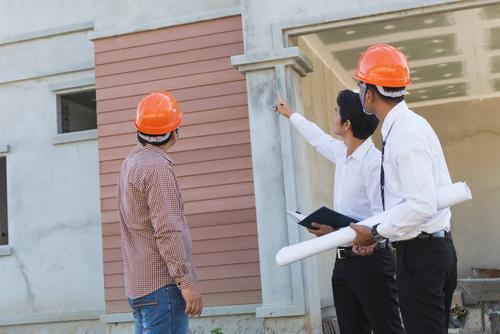
Owning or purchasing a property is a major investment, so understanding its condition is extremely important. A professional inspection helps uncover issues that may not be visible during a simple walk-through. It provides valuable information about the structure, safety, and major systems of a home, allowing buyers and homeowners to make informed decisions. Whether someone is preparing to purchase a new house or maintain an existing one, a detailed inspection offers peace of mind and helps avoid unexpected repair expenses.
What Is Included in a Home Inspection?
A standard home inspection involves a careful visual examination of the property's accessible areas. Inspectors evaluate the roof, foundation, walls, ceilings, flooring, plumbing, electrical systems, heating, cooling equipment, windows, doors, and insulation. They also check for signs of moisture, structural movement, and general wear. A professional Home Inspection Canterbury CT gives homeowners a clear picture of the property's overall condition while identifying areas that may require maintenance or further evaluation by specialists.
Understanding the Purpose of a Four-Point Inspection
A four-point inspection is different from a complete home inspection because it focuses on four major systems that insurance companies often consider before issuing or renewing a policy. These systems include the roof, electrical system, plumbing, and heating or cooling equipment. The inspection helps determine the age, condition, and functionality of these essential components. Insurance providers use this information to evaluate potential risks associated with the property.
Factors That Affect Inspection Pricing
Inspection costs can vary depending on several important factors. Property size, age, accessibility, and overall condition all influence the final price. Larger homes generally require more time to inspect, while older properties may need a more detailed evaluation due to aging systems. Additional services such as mold testing, radon testing, or sewer inspections may also increase the total cost. Understanding Four Point Inspection Cost Canterbury CT helps property owners plan their inspection budget while recognizing the value of a professional assessment.
Benefits for Homebuyers
A thorough inspection provides buyers with valuable knowledge before completing a real estate purchase. Hidden issues such as roof damage, plumbing leaks, outdated wiring, or foundation concerns can become expensive after moving in. An inspection report allows buyers to negotiate repairs, request financial adjustments, or make informed decisions before finalizing the purchase. This added confidence reduces uncertainty and helps buyers better understand the property's long-term maintenance needs.
Advantages for Current Homeowners
Home inspections are not only useful during real estate transactions. Existing homeowners can also benefit from regular evaluations to monitor the condition of their property. Small issues often develop gradually, making them easy to overlook during everyday life. Routine inspections help identify early signs of damage before they become costly repairs. Preventive maintenance improves safety, protects the home's value, and extends the life of important building systems.
Common Issues Found During Inspections
Professional inspectors frequently discover concerns that homeowners may not notice. Roofing materials can show signs of aging, plumbing systems may develop hidden leaks, and electrical panels might require updates to meet modern safety standards. Moisture intrusion, poor ventilation, damaged insulation, and foundation settling are also common findings. Identifying these issues early allows homeowners to plan repairs in a timely manner and prevent more serious structural problems from developing.
Preparing Your Property Before an Inspection
Preparing for an inspection helps ensure the process runs smoothly. Homeowners should provide clear access to the attic, basement, crawl spaces, electrical panel, heating equipment, and water heater. Replacing burned-out light bulbs, testing smoke detectors, and removing storage items blocking inspection areas can also improve efficiency. A clean and accessible property allows inspectors to perform a more complete evaluation while reducing unnecessary delays during the inspection.
Choosing a Qualified Inspection Professional
Selecting an experienced inspector is one of the most important parts of the process. A qualified professional has the knowledge to recognize safety concerns, evaluate structural components, and explain findings in clear language. Reading customer reviews, verifying credentials, and asking about inspection experience can help homeowners choose a dependable service provider. A detailed inspection report with photographs and practical recommendations provides valuable guidance for future maintenance and repairs.
Conclusion
A professional property inspection is a smart investment that benefits buyers, sellers, homeowners, and even insurance providers. It offers a detailed understanding of a home's condition, helping identify problems before they become expensive repairs. Whether performing a complete home evaluation or a focused four-point inspection, the information gained supports better planning and more confident decision-making. By scheduling regular inspections and working with qualified professionals, property owners can protect their investment, maintain a safer living environment, and preserve the long-term value of their home.

 English
 Arabic
 French
 Portuguese
 Deutsch
 Turkish
 Dutch
Dutch
 Italiano
 Russian
 Romaian
 Portuguese (Brazil)
 Greek
Greek