


Ground Granulated Blast Furnace Slag Industry Trends
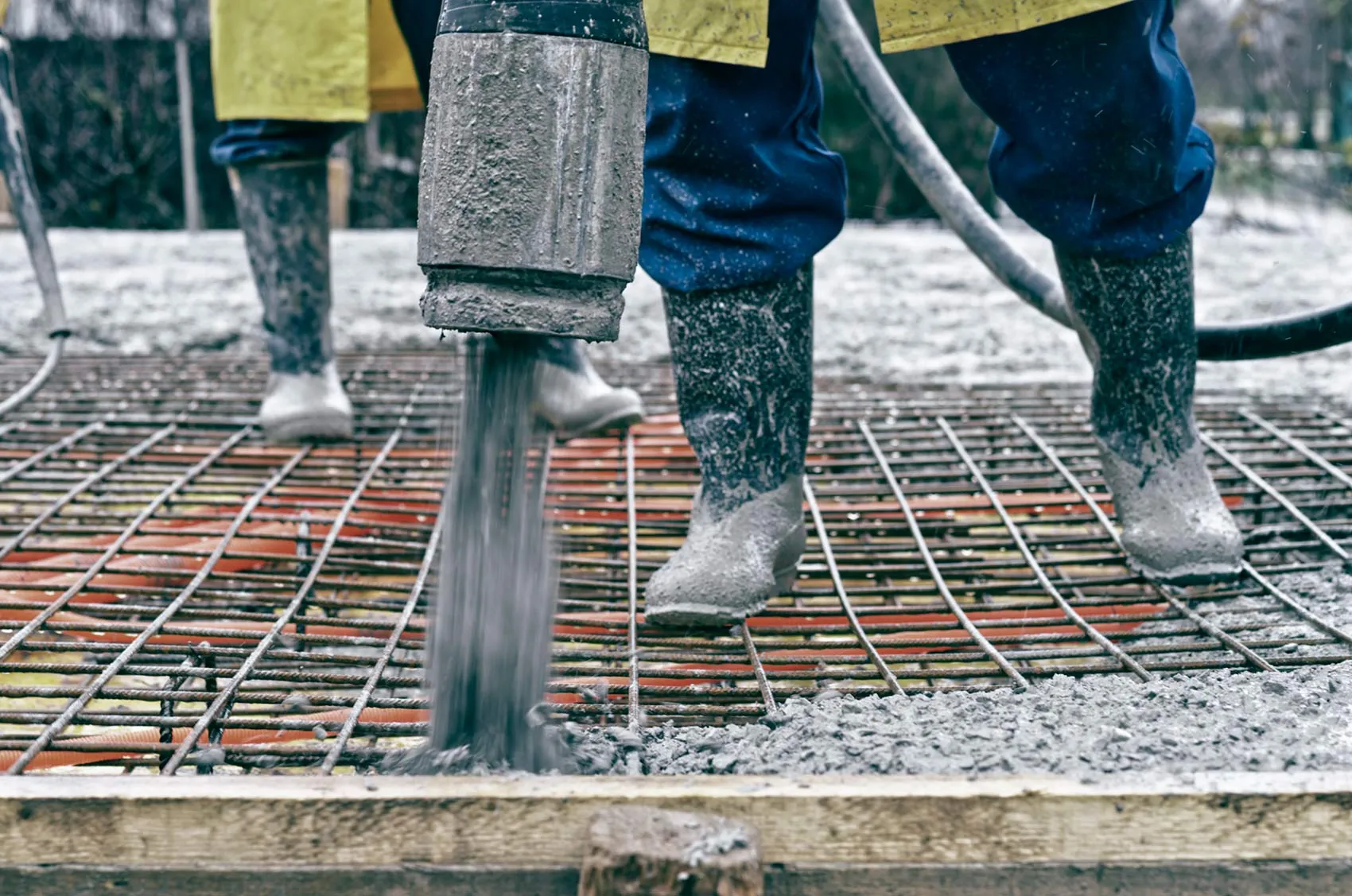
The construction industry is increasingly focused on materials that can support structural durability while reducing clinker intensity in cement systems. Ground granulated blast furnace slag (GGBFS), a processed steelmaking by-product, has therefore gained attention as a supplementary cementitious material for infrastructure, buildings, marine structures, and other concrete applications.
The Ground Granulated Blast Furnace Slag Market covers the production, processing, distribution, and use of granulated blast furnace slag in cement and concrete systems. The material is valued for characteristics such as lower permeability, improved sulfate resistance, reduced heat of hydration, and its ability to replace a portion of clinker in blended cement. As per the GGBFS market analysis by Markntel Advisor, the market is projected to rise from USD 481.57 million in 2026 to USD 541.96 million by 2032, representing a 2.00% CAGR during 2026–2032.
Demand is closely connected with infrastructure investment and the availability of blast furnace slag from steelmaking operations. Roads, bridges, tunnels, ports, metro systems, and large concrete structures can require materials that deliver durability over extended service periods. This makes slag-based cementitious systems relevant where performance requirements and efforts to reduce clinker consumption are considered together.
Infrastructure Development Supports Market Demand
Infrastructure development remains a major demand driver because large civil engineering projects often require concrete with strong durability and resistance to aggressive exposure conditions. GGBFS can improve sulfate resistance and reduce permeability while also lowering heat generation in mass concrete. These characteristics make slag-blended systems suitable for bridges, highways, tunnels, dams, coastal infrastructure, and other demanding applications.
The supply side is also linked to steel production. Blast furnace operations generate slag that can subsequently be processed for cementitious applications, creating a relationship between steelmaking activity and the availability of feedstock. According to the World Steel Association, global crude steel production reached 1,882.6 million tonnes in 2024. This large industrial base provides important context for the availability of steel-derived materials used in construction.
Medium Slag Content Gains Wider Application
Among the analyzed slag-content categories, the 30%–60% segment held the largest share, accounting for 54% of the market. Its position reflects the balance that this range can provide between clinker reduction and concrete performance. Such blends are used across structural applications where durability, strength development, workability, and material efficiency need to be considered simultaneously.
The adoption of medium-range slag blends is particularly relevant to infrastructure projects and ready-mix concrete applications. Engineers and concrete producers can select formulations according to project-specific performance requirements, exposure conditions, curing practices, and applicable standards. The growing emphasis on lower-carbon construction further increases interest in cement formulations that reduce reliance on conventional clinker.
Ultra-Fine Grades Expand Performance Potential
Another important market trend is the development of ultra-fine and high-reactivity slag grades. Conventional GGBFS typically provides valuable long-term durability benefits, but some advanced concrete applications require faster strength development and greater resistance to chloride penetration. Manufacturers are therefore investing in grinding and activation technologies that can produce finer materials with higher reactivity.
The development of these grades is relevant to high-performance concrete, marine foundations, dense precast components, and other applications where concrete performance is tightly specified. Greater fineness can influence hydration and strength development, allowing slag-based formulations to address applications in which conventional blends may face limitations related to early-age performance.
Asia Pacific Maintains a Leading Position
Asia Pacific represents the leading regional market, supported by its large steel production base, cement demand, urbanization, and infrastructure development. China, India, Japan, and South Korea have substantial steelmaking and construction industries, creating an established ecosystem for the generation and utilization of blast furnace slag. Infrastructure projects across transportation, urban development, ports, and industrial corridors continue to support regional demand.
India also presents an important growth environment because expanding infrastructure and cement production create downstream requirements for supplementary cementitious materials. The development of metro systems, expressways, industrial projects, and coastal infrastructure can support greater use of durable blended cement systems. In parallel, locating slag grinding facilities near steel production centers can help improve supply integration and reduce logistics-related constraints.
Slag Availability Creates a Strategic Challenge
Despite its construction benefits, the long-term availability of blast furnace slag represents a significant challenge. The steel industry is gradually moving toward production routes that can reduce dependence on traditional blast furnace operations. Because GGBFS originates from blast furnace slag, changes in steelmaking technology can affect future feedstock availability for cement and concrete producers.
This challenge is encouraging interest in alternative supplementary cementitious materials and new processing technologies. Industry participants are exploring options involving electric arc furnace slag, other steelmaking by-products, activated slag systems, microfine materials, and alternative low-carbon cement technologies. The broader direction indicates that future development will depend not only on demand for slag-based cement but also on the ability of producers to maintain reliable sources of suitable materials.
Market Outlook Through 2032
The market outlook indicates steady expansion through 2032, with infrastructure construction, blended cement adoption, and demand for durable concrete remaining important underlying factors. The reported market value is expected to increase from USD 481.57 million in 2026 to USD 541.96 million in 2032 at a CAGR of 2.00%. At the same time, supply considerations linked to changing steelmaking technologies may shape product availability and encourage diversification across the broader supplementary cementitious materials landscape.
Overall, the industry is evolving around two connected priorities: improving concrete performance and reducing the material intensity of cement production. Infrastructure-led demand supports continued use of slag-based cementitious systems, while advances in grinding, activation, and alternative SCM technologies are influencing how the sector addresses performance requirements and future feedstock constraints. These factors are likely to remain central to industry development during the 2026–2032 forecast period.

 Arabic
 French
 Spanish
 Portuguese
 Deutsch
 Turkish
 Dutch
 Italiano
 Russian
 Romaian
 Portuguese (Brazil)
 Greek