


What Safety Precautions Should You Follow When Using a Hose Ferrule Crimping Tool?
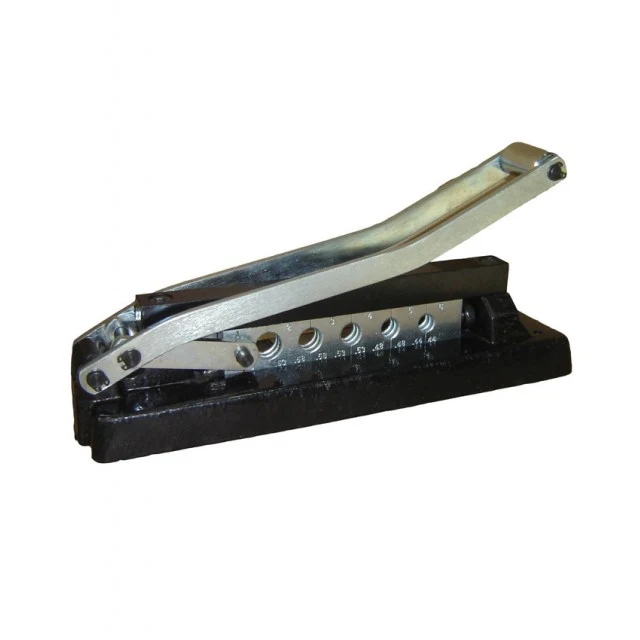
Using a hose ferrule crimping tool the right way mostly comes down to basics, read the manual, wear your gear, keep hands clear of the die, and don’t rush just because you’re busy. Skip these and you’re either looking at an injury or a crimp that fails later when you least expect it.
Read the Manual Before You Touch Anything
Nobody likes hearing this one, I get it. But every crimping tool out there, hydraulic, bench-mounted, handheld portable unit, whatever, has its own little quirks worth knowing. Die sizing changes, pressure settings change, maintenance intervals change too, and honestly it varies more between brands than most people expect walking in fresh.
Skip the manual and that’s usually how someone ends up with the wrong die loaded for the hose size, or misses a torque spec that actually mattered. It takes maybe fifteen, twenty minutes to skim the important bits. That’s nothing compared to losing half a day fixing something that a quick read would’ve prevented in the first place.
Wear the Right Protective Gear
Obvious one, sure, but it still gets skipped constantly, especially in shops running behind schedule. Safety glasses aren’t optional here. Metal bits or hose debris can kick loose during compression and that’s the last thing you want anywhere near your eyes. Gloves help too, just pick ones that still let your fingers feel what’s happening, bulky gloves near a die create their own kind of problem.
Steel toes matter more than people give credit for, especially around bench units where something heavy could slip and drop. Not about looking careful for the sake of it, hydraulic crimping tools put out real force, and force plus a careless moment is a rough combination. Two minutes to gear up right, way less time than dealing with whatever happens if you don’t.
Keep Hands and Fingers Clear of the Die Area
This is probably the one that hurts people most, more than anything else on this list honestly. The compression zone closes with serious force once that cycle starts, and fingers just don’t belong anywhere near it. Doesn’t matter if you’ve run a thousand crimps before, getting a little too comfortable around the die is exactly when something goes wrong.
Newer tools usually come with guards or two-hand activation built in specifically for this reason. Don’t bypass those just to shave a second off the job, that trade isn’t worth it, ever really. Load the hose and ferrule, get your hands clear, then trigger the crimp. Every time, no shortcuts.
Inspect Hoses and Ferrules Before Crimping
Running a damaged hose or the wrong ferrule through the tool isn’t just going to give you a bad connection, it’s a safety thing too. Cracked covers, deformed ferrules, mismatched sizing, any of that can cause pressure to build up weird or a ferrule to crack apart mid-compression. Not something you want happening right next to your hands.
Thirty seconds, maybe less, to glance over everything before loading up. Make sure the ferrule actually fits the hose diameter, check the hose itself isn’t already compromised somewhere down its length. A small habit doesn't take long, but it catches problems before they turn into something worse halfway through a crimp.
Make Sure the Tool Is Properly Mounted or Stabilized
Bench units need to actually be bolted down, not just sitting there because it seemed fine at the time. A tool that shifts or wobbles mid-compression isn’t just going to throw off your crimp, it’s genuinely dangerous given the forces hydraulic units put out. Loose equipment under load, that’s just asking for something bad to happen.
Portable units need this too, even though people assume they’re more forgiving since they move around. Solid footing, proper bracing, especially out in the field where the ground isn’t always level or stable like a shop floor. Not glamorous, stabilizing your setup, but it stops a lot of accidents that otherwise would’ve happened.
Check Hydraulic Lines and Seals Regularly
For hydraulic tools specifically, the lines feeding the unit need their own regular check, not just the crimping mechanism up front. Worn seals, cracked lines, any of that can leak fluid under pressure, and that’s a separate hazard from the crimping itself. Fluid injection injuries are no joke, way more serious than people assume until it’s actually happened to someone they know.
This isn’t a yearly thing either, it should be routine, especially if the tool’s running daily in your shop. Notice fluid pooling anywhere near the unit, or a pressure drop that doesn’t add up, stop and look into it before running another crimp. Pushing through just to finish faster isn’t worth what you’re risking.
Never Exceed the Tool’s Rated Capacity
Every crimping tool has limits, hose diameter, pressure range, whatever it’s built for, and going past that is just rolling the dice. Sometimes it’s tempting, you’re in a rush and figure the tool can “probably” handle something a touch bigger than spec. That gamble really isn’t worth it given the forces at play.
Push a tool past its limits and you risk damaging dies, warping the frame, or in worse cases a sudden failure mid-compression. That’s expensive to fix, sure, but more importantly it’s a real risk to anyone standing close by. Stick to the rated specs, even on the days it feels like you could stretch it just a little.
Keep the Work Area Clean and Organized
Clutter around a crimping station causes more trouble than people usually credit it for. Hose offcuts lying around, tools scattered everywhere, cords crossing walkways, all of that adds up to tripping hazards or distractions at exactly the wrong second. A messy bench also makes it way easier to grab the wrong die or ferrule without catching the mistake.
Not about being neat for appearances, it genuinely affects how safely the whole process goes. Five minutes clearing the area before starting saves a lot of headache down the line. Easy habit to blow off on a busy day, but it matters more than it looks like it should.
Train Anyone Using the Tool Properly
Handing a crimping tool to someone without real training, that’s how shops end up with accidents, no way around it. Looks simple enough to run, sure, but the pressures and mechanics involved aren’t something you want someone learning through trial and error. Good training covers die selection, safe loading, what to do if something goes sideways mid-crimp.
Matters even more in shops with new hires rotating through or part-timers filling in. Don’t assume experience on one crimping tool carries straight over to a different brand or model, usually there’s enough difference to actually matter. A short session upfront saves a lot of guesswork and risk later on.
Perform Routine Maintenance on the Tool Itself
A tool that doesn’t get maintained turns into a safety problem eventually, not just a performance one. Worn dies, loose bolts, hydraulic fluid running low, any of it can cause the tool to behave unpredictably mid-cycle. Maintenance isn’t some extra step you do when there’s time, it’s part of running the thing safely, period.
Set a schedule, weekly or monthly depending how hard the tool gets used, and actually follow it instead of letting it slide. Check die wear, fluid levels, mounting bolts, anything that shifts with repeated use over time. Small time investment, but it keeps both the tool and whoever’s running it out of trouble.
Conclusion
Staying safe around a crimping tool really just comes down to not getting too comfortable, even once you’ve run the same job a hundred times before. Wear the right gear, check your components, keep your hands clear of the die, and don’t skip maintenance just because everything seems fine for now. None of this is complicated stuff, but it’s the difference between a shop running smoothly and one dealing with an injury or a tool failure that didn’t have to happen.
FAQs
What’s the biggest safety risk when using a hose ferrule crimping tool?
Getting hands or fingers too close to the die while it’s compressing, that’s by far the most common way people get hurt.
Do hydraulic crimping tools need different precautions than manual ones?
Yeah, hydraulic units bring in the risk of fluid injection injuries from leaks or worn seals, so those lines need their own regular checks.
How often should I inspect a crimping tool for safety issues?
Weekly works as a baseline for busy shops, though a quick daily glance at dies and bolts doesn’t hurt either.
Can someone untrained safely run a crimping tool?
Not really a good idea. The forces involved don’t forgive mistakes, and proper training covers things trial and error just takes too long to teach.
What should I do if fluid is leaking near a hydraulic crimping unit?
Stop using it right away and check the lines and seals before running anything else through it, not worth pushing past that.

 English
 Arabic
 French
 Spanish
 Portuguese
 Deutsch
 Turkish
 Dutch
 Italiano
 Russian
 Romaian
 Portuguese (Brazil)