


Leeds Formwork Explained: Types, Uses, and UK Standards
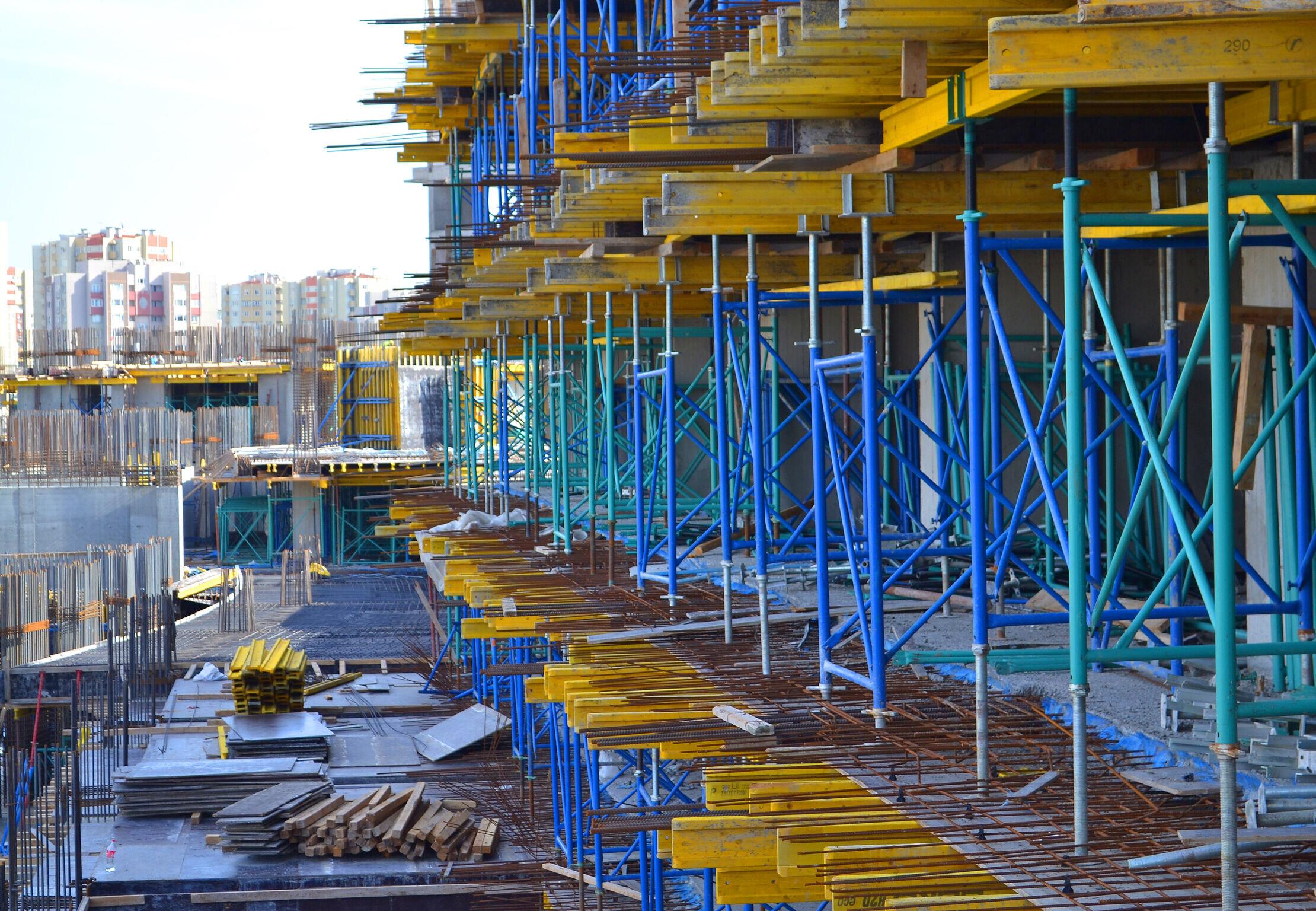
Discover the essentials of Leeds formwork for UK construction projects. Learn shuttering types, safety standards, and applications across West Yorkshire.
Formwork plays a central role in the UK construction sector, and this is especially evident across Leeds. As West Yorkshire continues to experience residential and commercial development, understanding how concrete is shaped and supported on site remains essential for developers, contractors, and engineers.
What Is Formwork?
Formwork refers to temporary or permanent moulds into which concrete is poured to create structural elements such as walls, columns, slabs, and beams. In Leeds formwork projects, the primary goal is to achieve the desired shape, strength, and surface finish while maintaining site safety throughout the build.
Common Types Used Across Leeds
Timber formwork remains common for smaller residential builds because of its flexibility and ease of assembly. Steel and aluminium systems are frequently selected for larger commercial developments in the city centre, offering durability and repeatability. Plastic and modular systems are also gaining traction for projects requiring rapid assembly and minimal material waste.
Why Leeds Formwork Matters
Proper formwork ensures that concrete cures correctly and bears the intended load once stripped. In a city with mixed soil conditions and varied architectural demands, selecting the appropriate system can affect project timelines, labour costs, and long-term structural integrity.
UK Standards and Safety
All formwork in Leeds must comply with British Standards and Health and Safety Executive (HSE) guidance. This includes accurate load calculations, safe access, and controlled procedures for striking formwork without compromising structural stability. Site supervisors in West Yorkshire typically oversee regular inspections to confirm compliance throughout construction.
Choosing a System for Your Site
Factors such as project scale, budget, required surface finish, and ground conditions influence the choice of formwork. Local engineers and suppliers often assess these variables before recommending a solution that balances efficiency with regulatory adherence.
Conclusion
Whether supporting a new housing development or a commercial refurbishment, Leeds formwork remains a foundational element of safe, efficient construction in the region. By understanding the available options and relevant UK standards, stakeholders can make informed decisions for their next project.

 English
 Arabic
 French
 Spanish
 Portuguese
 Deutsch
 Dutch
 Italiano
 Russian
 Romaian
 Portuguese (Brazil)
 Greek