


How Smart TV Operating Systems Influence the Performance of Streaming Applications
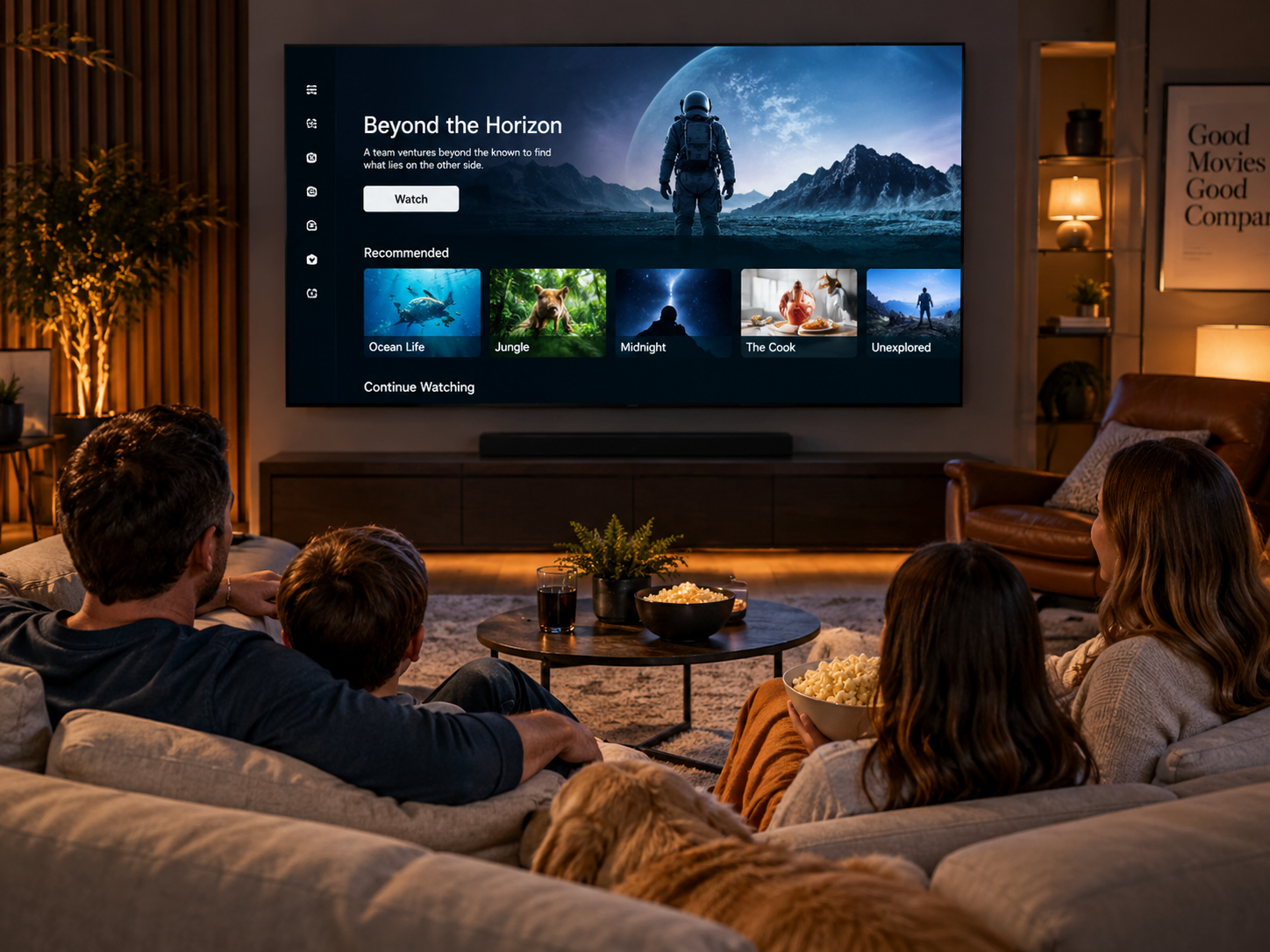
Smart televisions have become an important part of modern home entertainment. Unlike traditional televisions, they include operating systems that allow users to install applications, access online services, and stream video directly through an internet connection. However, not all smart TVs provide the same experience. Their operating systems influence how applications run, how quickly menus respond, and how reliably streaming content plays.
Understanding the relationship between a television's software and its hardware can help consumers make better decisions when choosing a smart TV. It can also explain why the same streaming application may perform differently across television brands and models.
Understanding Smart TV Operating Systems
A smart TV operating system manages the software and hardware functions that allow a television to operate as a connected device. It provides the interface users interact with when opening applications, adjusting settings, connecting to networks, or accessing streaming services.
Popular platforms include Google TV, Android TV, Samsung Tizen, LG webOS, and Roku TV. Each has its own interface, application ecosystem, update policies, and hardware requirements.
These differences influence system compatibility because streaming applications are developed to work with particular operating systems and software versions. An application available on one television platform may not be supported on another. Even when an application is available, its features and performance can vary depending on the device.
How Operating Systems Affect Application Performance
A television's operating system determines how applications use available processing resources. When users open a streaming application, the system manages memory, processor activity, background tasks, and communication with other software components.
If the operating system is well optimized for the television's hardware, applications may launch quickly and respond smoothly to commands. However, older or less powerful televisions can struggle when running demanding applications, particularly if several background processes are active.
The processor and available memory also matter. A television with limited hardware resources may experience slow navigation, delayed responses, or application crashes. These problems are not necessarily caused by the streaming service itself.
Application Availability and Software Support
One major difference between smart TV platforms is the range of applications they support. Manufacturers maintain their own application stores, and developers decide which platforms and device versions their software will support.
Some applications may be available across several operating systems, while others are limited to selected platforms. Availability can also depend on a television's model year, region, and software version.
Consumers should check whether their preferred streaming applications are supported before purchasing a smart TV. It is also useful to review the manufacturer's software support policy, as older models may eventually stop receiving certain application updates.
When an application is no longer updated for a particular operating system, users may experience compatibility problems or lose access to newer features.
The Importance of Operating System Updates
Software updates help smart TV manufacturers maintain security, improve performance, and correct technical problems. They may also introduce interface changes, improve application compatibility, or add support for new features.
However, updates do not always produce identical results across different television models. A newer operating system version may require more processing resources, and older hardware may not handle every change equally well.
Consumers should install official updates when available, while checking the manufacturer's instructions. Keeping applications updated is equally important because outdated software may contain bugs or become incompatible with newer service requirements.
Regular updates can help maintain a reliable experience, but they cannot overcome every limitation of older hardware.
Memory Management and Background Processes
Streaming applications require memory to load interfaces, process video information, and maintain playback functions. The operating system determines how memory is allocated between active applications and background processes.
When available memory becomes limited, a television may close inactive applications or struggle to keep multiple tasks running. Users might notice that an application reloads whenever they return to it or that navigation becomes slower after extended use.
Some televisions provide options to close unused applications or restart the system. These simple steps may help clear temporary problems and free resources.
Consumers should also avoid assuming that a television with more applications installed will necessarily perform better. The quality of hardware optimization is often more important than the number of available applications.
How Operating Systems Influence Streaming Quality
Streaming quality depends on several factors, including internet speed, video resolution, application design, and device capabilities. The operating system contributes by managing network communication, video decoding, and application resources.
If a television has limited decoding support, it may struggle with certain video formats or high-resolution content. Similarly, an outdated application may not use the device's available hardware efficiently.
A stable internet connection remains essential. Even a powerful smart TV cannot prevent buffering caused by weak Wi-Fi coverage, network congestion, or problems with the streaming provider.
Consumers should therefore consider both software and network conditions when evaluating streaming performance.
Choosing a Smart TV With Long-Term Compatibility in Mind
A smart TV should be evaluated beyond its screen size and display quality. The operating system, application availability, update policy, and hardware specifications can all affect how useful the television remains over time.
Before buying, consumers should consider the following factors:
-
Application support: Confirm that frequently used streaming applications are available.
-
Software updates: Check how long the manufacturer provides operating system and security updates.
-
Hardware performance: Review processor capabilities and available memory.
-
Video format support: Make sure the television supports the resolutions and codecs required by intended content.
-
User interface: Consider whether the menus are easy to navigate and respond quickly.
-
Connectivity: Check Wi-Fi standards, Ethernet availability, and other connection options.
If an existing television no longer supports newer applications, an external streaming device may provide an alternative. This can extend the usefulness of the display without requiring an immediate television replacement.
Conclusion
Smart TV operating systems play an important role in determining how streaming applications behave. They influence application availability, hardware resource management, software updates, video decoding, and overall usability.
Although internet speed and streaming services also affect performance, the television's software environment should not be overlooked. Consumers who compare operating systems, hardware specifications, and long-term update support can make more informed purchasing decisions and enjoy a more dependable streaming experience.

 English
 Arabic
 French
 Portuguese
 Deutsch
 Turkish
 Dutch
 Italiano
 Russian
 Romaian
 Portuguese (Brazil)
 Greek