


Why Video Latency Matters During Live Broadcasts
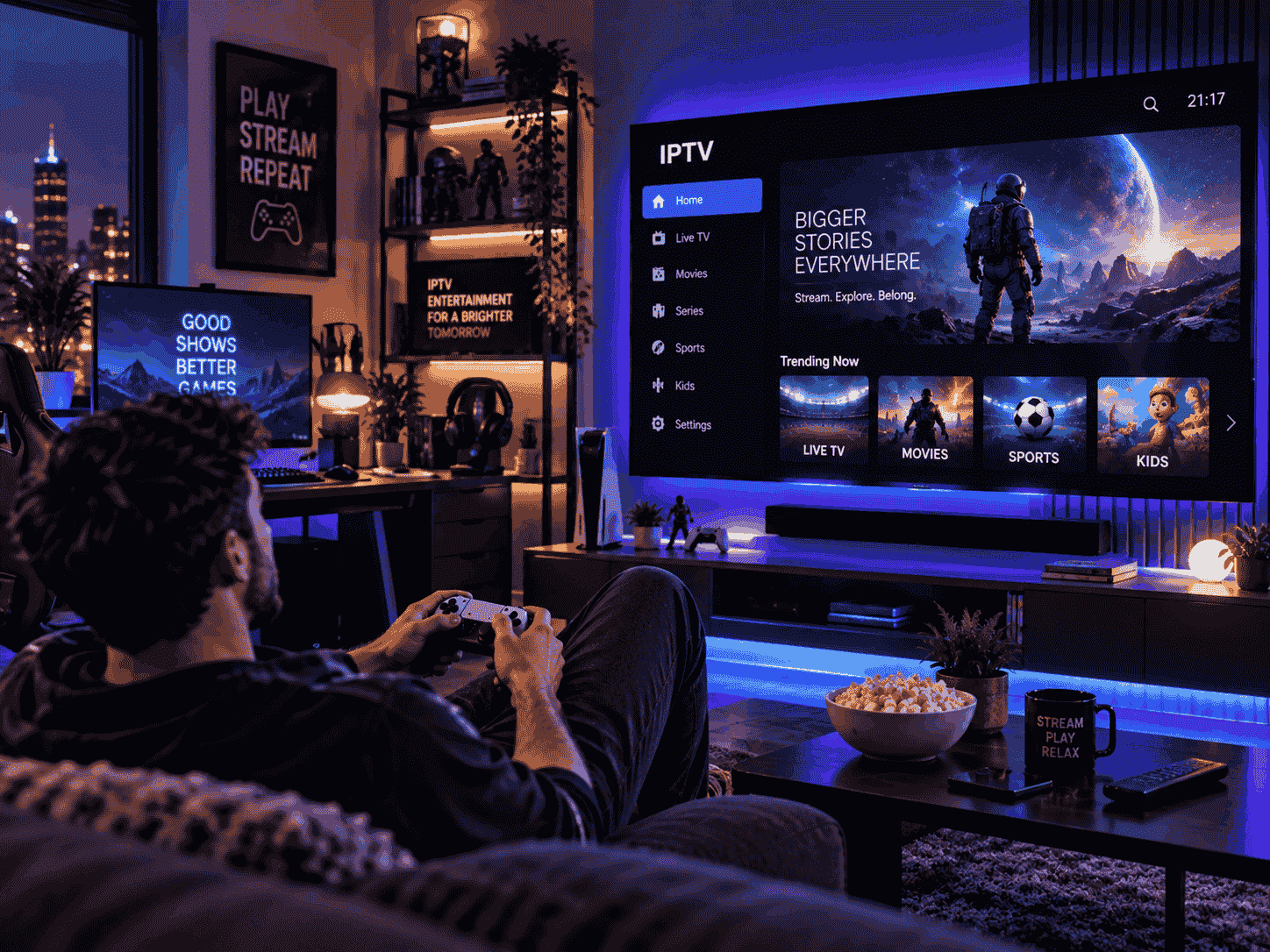
Live broadcasts create a sense of immediacy that recorded content cannot fully reproduce. Whether viewers are watching a sports match, a breaking news report, or a major entertainment event, they expect to see what is happening as close to real time as possible. However, the video displayed on a screen is rarely perfectly synchronized with the actual event.
The time difference between an event happening and viewers seeing it is known as video latency. Even a delay of a few seconds can affect the viewing experience, particularly when people are following live scores, discussing an event online, or watching an interactive broadcast. Understanding why latency occurs helps explain how streaming platforms work to keep live content timely and reliable.
What Is Video Latency in Live Streaming?
Video latency refers to the time it takes for a live video signal to travel from its source to a viewer's screen. The process begins when a camera captures an event. The video is then encoded, processed, transmitted through a network, and decoded by the playback device before appearing on the display.
Each stage adds some processing or transmission time. A broadcast may therefore reach different viewers at slightly different moments, depending on their devices, internet connections, and the delivery technology used by the platform.
Latency is not the same as buffering. Buffering occurs when a player does not receive data quickly enough to continue playback, while latency describes the overall delay between the live event and its appearance on screen. A stream can have high latency and still play smoothly without interruptions.
How Playback Delay Affects the Viewing Experience
The impact of latency depends on the type of content being watched. During a live football match, for example, a viewer with a delayed stream might hear a neighbor celebrate a goal before seeing it happen. On social media, updates and comments may also appear before the corresponding moment reaches the screen.
This playback delay can make live viewing feel less immediate, especially when audiences follow the same event through multiple sources. It may also affect interactive features such as live polls, audience discussions, and synchronized watch parties, where participants expect to experience events at approximately the same time.
For ordinary entertainment, a delay of several seconds may not be particularly noticeable. For sports, auctions, live competitions, and breaking news, however, timing can be much more important. The acceptable level of latency therefore depends on how viewers use the broadcast.
What Causes Latency in a Live Video Stream?
Several technical stages contribute to the delay in live streaming. The amount of time added at each stage depends on the equipment, software, network conditions, and delivery method.
Video encoding: Before transmission, raw camera footage must be compressed into a format suitable for delivery. Encoding requires processing time, and more complex settings can increase the delay.
Segment creation: Many streaming systems divide video into small segments before sending them to viewers. The player may need to wait for enough data to become available before starting or continuing playback.
Network transmission: Data travels through different network routes before reaching the viewer. Congestion, long-distance connections, and routing inefficiencies can add time.
Buffering: Players often store a portion of the stream in advance to protect against temporary network slowdowns. A larger buffer can improve stability but may increase the distance between the live event and the displayed video.
Device processing: The viewer's television, computer, or mobile device must decode and display the incoming video. Hardware limitations or software performance can contribute additional delay.
These stages work together, which means reducing latency often requires improvements across the entire delivery process rather than changing just one setting.
How Low-Latency Streaming Reduces Delays
Low-latency streaming technologies are designed to shorten the time between capturing an event and displaying it to viewers. They can use smaller video segments, faster delivery methods, and more efficient processing to reduce the overall delay.
Traditional streaming methods may prioritize stable playback by keeping a larger amount of video data ahead of the viewer. Low-latency approaches reduce this buffer and make newly produced content available more quickly.
However, reducing the buffer also creates a technical challenge. With less stored data available, the player has less protection against sudden changes in network speed. If data arrives late, playback may pause or become unstable.
Streaming providers must therefore balance speed and reliability. A slightly longer delay may be preferable if it provides a much smoother experience, particularly for viewers using inconsistent internet connections.
Why Network Conditions Matter
Even when a streaming platform uses low-latency technology, the viewer's internet connection can influence the final result. Network congestion, weak Wi-Fi signals, and inconsistent bandwidth can slow the arrival of video data.
The distance between the viewer and the streaming server may also matter. Content delivery networks help address this challenge by distributing servers across different geographic locations. When a suitable server is available nearby, video data may travel a shorter network route.
The home network is another important factor. Several devices using the same connection can compete for available bandwidth, particularly during busy periods. A television receiving a live stream may experience delays if other devices are downloading large files or running bandwidth-intensive applications.
Using a wired connection, improving router placement, and reducing unnecessary network activity can help create more stable conditions for live streaming.
Why Synchronization Matters for Multiple Devices
Many households watch live content on more than one screen. Someone may follow a sports event on a television while checking statistics on a phone or discussing the broadcast with friends using a laptop.
If these devices display the same event at different times, the experience can become confusing. One screen might show a key moment while another is still several seconds behind.
Synchronization is also important for broadcasts that combine multiple video feeds, such as sports coverage with alternative camera angles or live commentary. Platforms need to coordinate timestamps and delivery timing so that different elements remain aligned.
Achieving perfect synchronization across different networks and devices can be difficult. Still, consistent timing helps create a more coherent experience for viewers using multiple screens.
The Future of Real-Time Video Delivery
Demand for faster live broadcasts is likely to grow as streaming services introduce more interactive features and audiences expect quicker access to events. Advances in encoding, network infrastructure, and content delivery are helping platforms reduce unnecessary processing and transmission delays.
Technologies such as edge computing may also contribute by moving certain processing and delivery tasks closer to viewers. This can reduce the distance data travels and support faster response times in suitable network environments.
Nevertheless, eliminating latency entirely is unlikely to be practical for every streaming situation. Providers must consider device capabilities, network reliability, video quality, and operating costs when choosing their delivery methods.
Ultimately, latency matters because timing is part of what makes a broadcast feel live. By managing processing stages, network performance, and playback buffers, streaming platforms can bring viewers closer to the action while maintaining a stable viewing experience.

 Arabic
 French
 Spanish
 Portuguese
 Deutsch
 Turkish
 Dutch
 Italiano
 Russian
 Romaian
 Portuguese (Brazil)
 Greek