


What Should Homeowners Do When They Discover Mold in Their Basement?
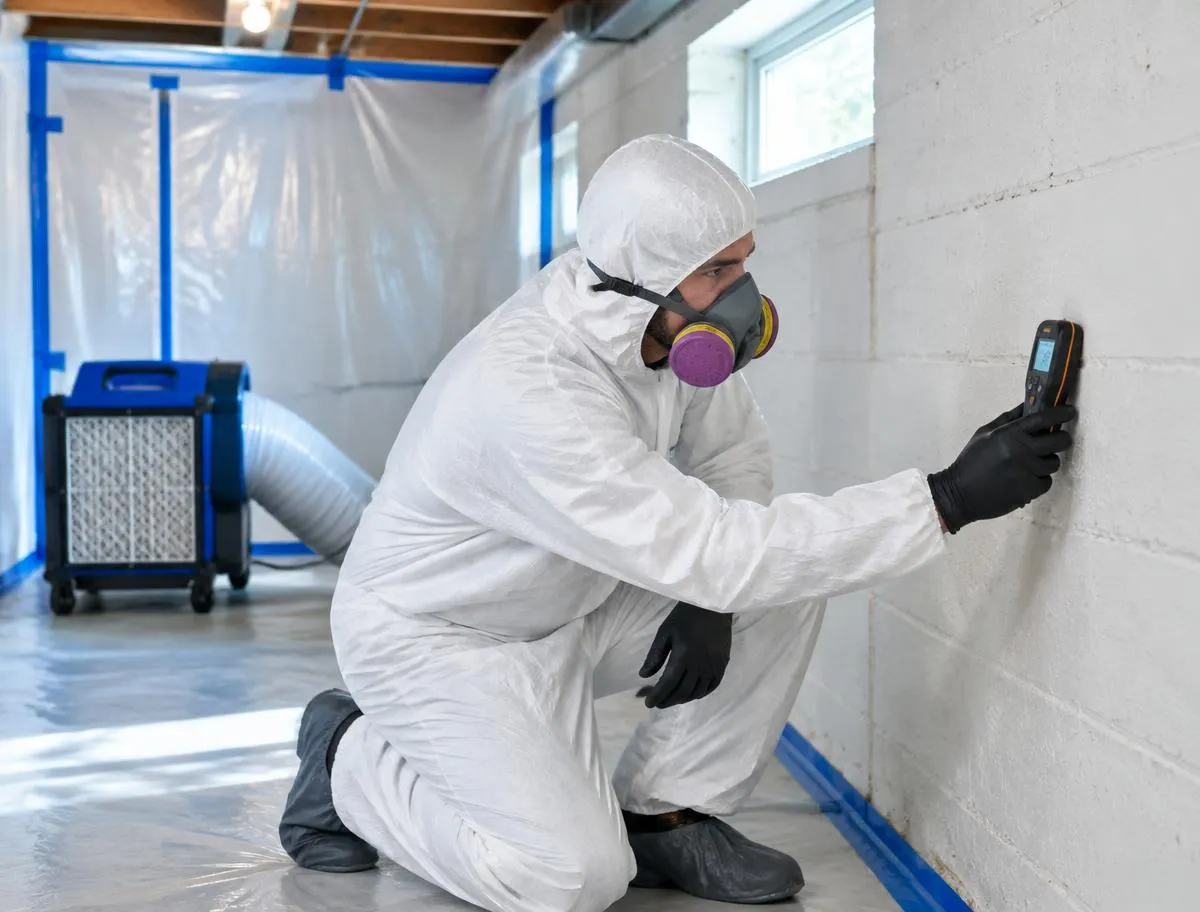
Discovering mold in a basement can be concerning for homeowners, especially when the growth covers walls, floors, ceilings, or stored belongings. Basements are particularly vulnerable to mold because they are often exposed to moisture, limited ventilation, plumbing leaks, and water intrusion.
In Yonkers and throughout Westchester County, heavy rainfall, basement flooding, foundation leaks, and excess indoor humidity can contribute to basement mold problems. Taking the right steps after discovering mold can help prevent further damage and determine whether professional remediation is necessary.
1. Avoid Disturbing the Mold
When homeowners discover mold in their basement, the first step should be to avoid disturbing the affected area. Scrubbing, scraping, or removing moldy materials without proper precautions can release mold spores into the surrounding air.
Avoid touching visibly affected materials or moving contaminated belongings unnecessarily. If the mold covers a large area or appears to have spread into walls, insulation, or flooring, consider professional assistance.
2. Identify the Possible Source of Moisture
Mold needs moisture to grow, which means identifying the source of water is an important part of addressing the problem.
Common causes of basement moisture include:
-
Leaking basement pipes or plumbing connections.
-
Cracks in foundation walls.
-
Water entering through basement windows.
-
Poor drainage around the property.
-
Roof or gutter problems directing water toward the foundation.
-
Basement flooding after heavy rainfall.
Homeowners should look for visible water stains, damp surfaces, peeling paint, and areas where moisture repeatedly collects.
3. Check for Musty Odors and Hidden Mold
Not all basement mold is immediately visible. Sometimes, mold develops behind drywall, beneath carpets, inside insulation, or around wooden structures.
A persistent musty smell may indicate a moisture problem or hidden mold growth, even when walls and floors appear clean.
Pay particular attention to:
-
Areas behind furniture and storage boxes.
-
Basement corners with limited airflow.
-
Spaces around water heaters and plumbing.
-
Wooden shelving and stored cardboard.
-
Carpeted floors and basement wall coverings.
A professional assessment may help determine whether mold is present in concealed areas.
4. Address Standing Water and Basement Leaks
Standing water and ongoing leaks can create conditions that support mold growth. If the basement has experienced flooding, homeowners should address the water problem as quickly as possible.
However, safety should come first. Avoid entering flooded areas where electrical equipment or outlets may be submerged. Contact qualified professionals when water removal or electrical hazards are involved.
Once the source of water has been controlled, affected materials should be evaluated and properly dried.
5. Reduce Excess Basement Humidity
Basements often have higher humidity levels than other parts of a home because they receive less natural airflow and may be surrounded by damp soil.
Homeowners can help reduce excess moisture by:
-
Using a dehumidifier when necessary.
-
Improving basement ventilation.
-
Repairing leaking pipes.
-
Keeping gutters and downspouts clear.
-
Directing rainwater away from the foundation.
-
Avoiding excessive storage against damp basement walls.
Controlling humidity can help reduce the conditions that encourage mold growth.
6. Determine Whether Professional Mold Remediation Is Necessary
Small areas of mold on nonporous surfaces may sometimes be addressed through appropriate cleaning. However, extensive mold growth, recurring contamination, hidden moisture, and mold affecting porous materials may require professional remediation.
A expert mold remediation process may include inspecting affected areas, determining the extent of contamination, establishing containment, removing affected materials when necessary, and addressing moisture conditions.
The appropriate approach depends on the size of the affected area, the materials involved, and the underlying cause of the problem.
7. Take Steps to Prevent Future Basement Mold Growth
After addressing an existing mold problem, homeowners should take preventive measures to reduce the chances of future growth.
Regular basement inspections can help identify moisture problems before they become more serious. Check foundation walls after heavy rainfall, inspect plumbing connections, monitor humidity, and make sure water drains away from the property.
It is also helpful to avoid storing cardboard boxes, fabrics, and other moisture-sensitive belongings directly on basement floors.
Why Is Basement Mold Remediation Important in Yonkers and Westchester County?
Basement moisture is a common concern for property owners in Yonkers and surrounding Westchester County communities. Seasonal rainfall, aging foundations, plumbing problems, and poor drainage can all contribute to indoor moisture issues.
Ignoring visible mold or repeatedly cleaning affected surfaces without addressing the source of moisture can allow the problem to continue.
Professional evaluation and appropriate remediation can help property owners understand the extent of the problem and determine the steps needed to address it.
Professional Mold Remediation in Yonkers, NY
Discovering mold in your basement should not be ignored. Identifying moisture sources, preventing further water intrusion, and properly addressing affected materials are important steps in managing basement mold problems.
For homeowners and property managers seeking professional mold removal and remediation in Yonkers and Westchester County, wdsvcs provides mold remediation services to help address mold concerns and moisture-related property issues. Professional assistance can help determine the appropriate approach to restoring affected areas and reducing the risk of recurring mold growth.

 Arabic
 French
 Spanish
 Portuguese
 Deutsch
 Turkish
 Dutch
 Italiano
 Russian
 Romaian
 Portuguese (Brazil)
 Greek