


Natural Treatment for Tinea Versicolor: 9 Ways to Support Healthy Skin
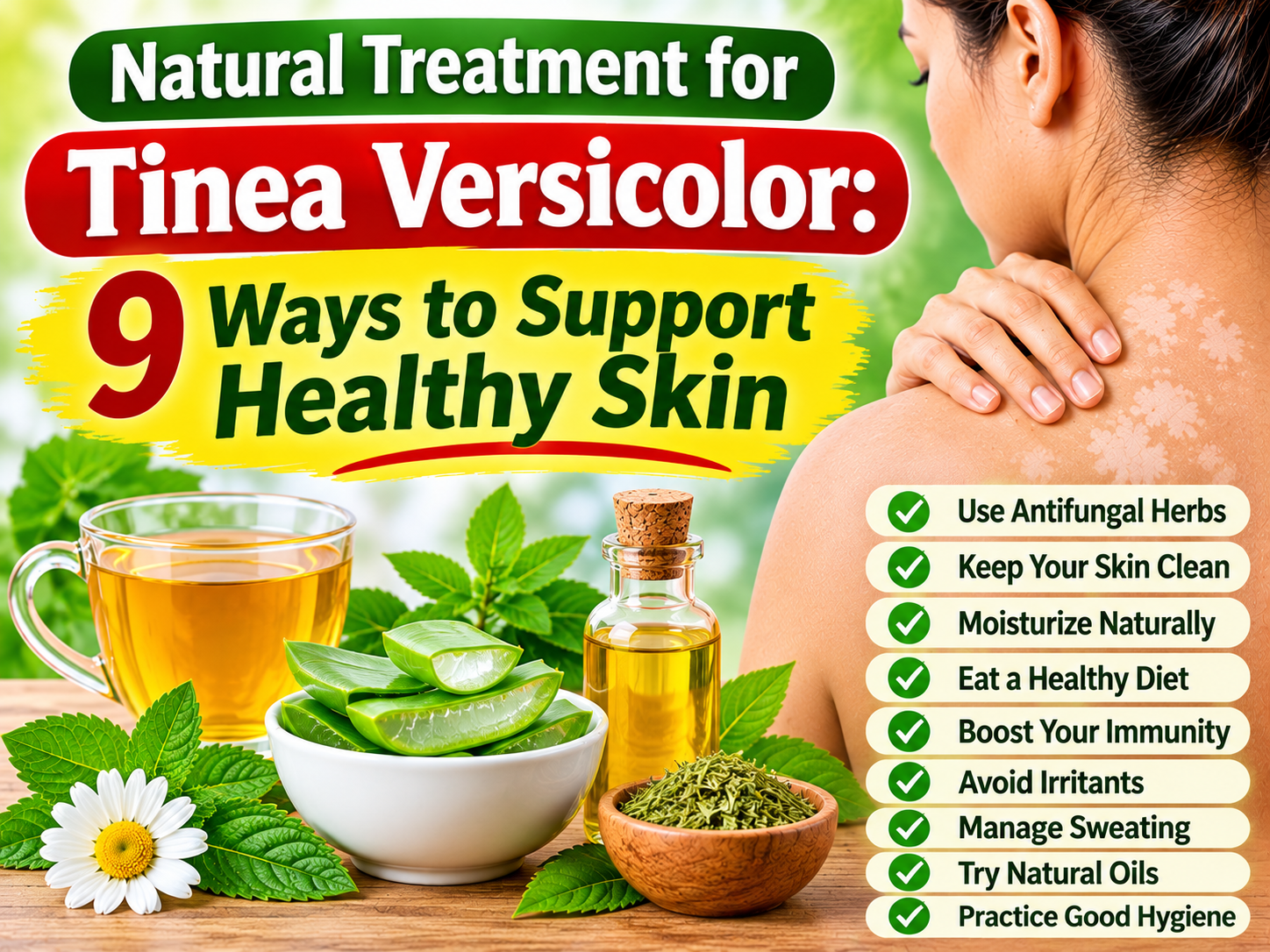
Tinea versicolor is a common skin condition caused by an overgrowth of Malassezia, a type of yeast that naturally lives on the skin. When this yeast grows excessively, it can affect normal skin pigmentation and cause patches that appear lighter, darker, pink, or brown compared with the surrounding skin. These patches commonly develop on the chest, back, shoulders, neck, and upper arms.
Although tinea versicolor is not usually dangerous or contagious, it can affect confidence and make people feel uncomfortable about their appearance. The condition is more common in warm, humid environments and may become noticeable during hot weather when sweating increases.
Finding a suitable Natural Treatment for Tinea Versicolor can help people develop healthier skincare habits and support overall skin health. Natural approaches may help reduce irritation, manage excess oil, and maintain a balanced skin environment. However, it is important to understand that natural remedies are not proven replacements for antifungal treatments. Medically recommended antifungal products are generally the most effective way to control the yeast responsible for this condition.
We will explore nine natural ways to support healthy skin, discuss useful skincare practices, and explain when professional treatment may be necessary.
What Causes Tinea Versicolor?
Tinea versicolor develops when Malassezia yeast grows more than usual on the skin. Several factors can encourage this growth, including:
- Hot and humid weather.
- Excessive sweating.
- Naturally oily skin.
- Hormonal changes.
- A weakened immune system.
- Genetic susceptibility.
- Using heavy or oily skincare products.
The condition may cause mild itching, particularly when sweating. One of its most noticeable symptoms is the appearance of uneven skin color. Even after successful treatment, pigmentation changes can remain visible for several weeks or months while the skin gradually returns to its normal appearance.
9 Natural Treatment for Tinea Versicolor: Ways to Support Healthy Skin
Natural skincare approaches can complement an appropriate treatment plan. The following nine methods focus on maintaining skin hygiene, reducing irritation, and supporting a healthy skin barrier.
1. Use Aloe Vera to Soothe the Skin
Aloe vera is widely used in skincare because of its moisturizing and soothing properties. Its gel contains compounds that may help calm minor skin irritation and support skin hydration.
If tinea versicolor causes mild itching or dryness, a small amount of pure aloe vera gel may provide temporary comfort. Choose a fragrance-free product without unnecessary additives to reduce the risk of irritation.
Before applying aloe vera to a larger area, perform a patch test on a small section of skin. Discontinue use if redness, burning, or itching develops.
It is important to remember that aloe vera has not been proven to eliminate Malassezia yeast. Therefore, it should be considered a supportive skincare ingredient rather than a cure for tinea versicolor.
2. Maintain Skin Hygiene with Gentle Cleansing
Keeping your skin clean is an important part of managing tinea versicolor. Sweat, excess oil, and environmental impurities can contribute to an uncomfortable skin environment.
Wash affected areas regularly with a gentle, fragrance-free cleanser. Avoid harsh soaps, aggressive scrubbing, and strongly scented body washes because they may damage the skin barrier.
After showering, gently pat your skin dry with a clean towel instead of rubbing it aggressively. Pay particular attention to areas where sweat collects, including the chest, back, and neck.
3. Try Tea Tree Oil Carefully
Tea tree oil is a popular botanical ingredient known for its antimicrobial properties. Some laboratory research suggests that tea tree oil contains compounds with antifungal activity.
For people researching Herbal Remedies for Tinea Versicolor, tea tree oil may seem like an appealing natural option. However, laboratory findings do not establish that applying tea tree oil to affected skin safely and effectively treats tinea versicolor.
Undiluted tea tree oil can cause allergic reactions, irritation, and contact dermatitis. It should never be applied directly to large affected areas or used without understanding the risks.
If you are considering a tea tree oil product, consult a dermatologist or pharmacist first. A medically approved antifungal treatment remains a more reliable option.
4. Wear Breathable Cotton Clothing
Clothing choices can make a difference when dealing with excessive sweating and skin discomfort.
Tight clothing and synthetic fabrics may trap heat and moisture against the skin. This can create an uncomfortable environment, particularly during summer or physical activity.
Choose loose-fitting clothing made from breathable materials such as cotton. Change out of sweaty clothes as soon as possible, especially after exercising or spending time outdoors.
Additional helpful habits include:
- Wearing clean clothes every day.
- Washing workout clothing after each use.
- Avoiding excessively tight shirts.
- Choosing lightweight fabrics during hot weather.
- Keeping skin folds and sweaty areas dry.
These small lifestyle changes can support skin comfort and reduce excessive moisture.
5. Consider Coconut Oil with Caution
Coconut oil is commonly used as a natural moisturizer because it contains fatty acids that help soften dry skin. However, its suitability for tinea versicolor is questionable.
Some coconut oil components have demonstrated antimicrobial activity in laboratory settings, but there is insufficient clinical evidence that coconut oil treats tinea versicolor.
Additionally, coconut oil is relatively heavy and may not suit people with oily or acne-prone skin. Applying thick oils to affected areas may be counterproductive for some individuals.
6. Protect Your Skin from Excessive Sun Exposure
Sun protection is especially important for people experiencing tinea versicolor. The affected areas may not tan at the same rate as surrounding skin, making differences in pigmentation more noticeable.
Spending too much time in direct sunlight can increase the contrast between affected and unaffected skin.
To protect your skin:
- Apply broad-spectrum SPF 30 or higher sunscreen.
- Wear protective clothing when spending time outdoors.
- Avoid tanning beds and artificial tanning lamps.
- Reapply sunscreen according to product instructions.
- Seek shade during periods of intense sunlight.
Sun protection does not kill the yeast responsible for tinea versicolor, but it can help reduce noticeable differences in skin tone while your skin recovers.
7. Include Antioxidant-Rich Foods in Your Diet
A balanced diet supports normal skin function and overall health. Although there is no specific diet proven to cure tinea versicolor, eating nutritious foods can help your body maintain healthy skin.
Consider including foods that provide essential vitamins, minerals, and antioxidants.
Examples include:
- Vitamin C: Oranges, strawberries, kiwi, and bell peppers.
- Vitamin E: Almonds, sunflower seeds, and avocados.
- Vitamin A: Carrots, sweet potatoes, and spinach.
- Zinc: Pumpkin seeds, beans, and whole grains.
- Healthy fats: Walnuts, chia seeds, and olive oil.
These nutrients support normal skin maintenance and help protect cells from oxidative stress.
Avoid extreme diets or unnecessary supplements. A varied, balanced eating pattern is generally a better approach to supporting long-term skin health.
8. Manage Stress and Maintain Healthy Sleep Habits
Stress management and adequate sleep are important parts of a healthy lifestyle. Although stress is not an established direct cause of tinea versicolor, prolonged stress and poor sleep can affect general well-being and skin health.
Creating a relaxing daily routine may help you maintain healthier habits.
Try these simple practices:
- Aim for seven to nine hours of sleep each night.
- Practice gentle yoga or stretching.
- Spend time walking outdoors.
- Try breathing exercises or meditation.
- Maintain consistent sleeping and waking times.
These activities do not directly eliminate fungal overgrowth, but they support overall wellness and may help you maintain a consistent skincare routine.
9. Keep Your Skin Cool and Dry
Heat and humidity can encourage Malassezia overgrowth, making tinea versicolor more noticeable in warm climates.
Keeping your skin cool and reducing excessive moisture can support a healthier skin environment.
After exercise, outdoor activities, or heavy sweating, take a shower when practical. Change into clean, dry clothing and avoid remaining in damp workout clothes for extended periods.
Other useful habits include:
- Using lightweight, breathable bedding.
- Avoiding unnecessarily hot showers.
- Choosing oil-free skincare products.
- Drying your skin gently after bathing.
- Staying in well-ventilated environments when possible.
These practices are particularly useful during hot summer months when sweating and humidity are difficult to avoid.
Understanding Herbal Remedies for Tinea Versicolor
Many people prefer plant-based skincare ingredients because they are familiar, accessible, and commonly used in traditional wellness practices. However, it is important to distinguish between ingredients that soothe the skin and treatments that actually control fungal growth.
Some botanical ingredients, including tea tree oil and aloe vera, have properties that have attracted scientific interest. Nevertheless, there is not enough high-quality clinical evidence to recommend these products as reliable cures for tinea versicolor.
Research on complementary treatments remains limited, and many proposed remedies have not been tested in rigorous clinical trials.
Tinea Versicolor Natural Treatment: What Actually Works?
When researching Tinea Versicolor Natural Treatment, it is important to understand that home remedies and medical treatments serve different purposes.
Natural skincare practices can help maintain skin comfort, reduce irritation, and support healthy skin habits. However, antifungal medications are designed to target the yeast responsible for the condition.
Common medical treatment options include:
- Ketoconazole: An antifungal cream or shampoo used to control yeast overgrowth.
- Selenium sulfide: A medicated shampoo or lotion commonly recommended for affected skin.
- Clotrimazole: A topical antifungal cream used to treat fungal skin conditions.
- Miconazole: Another topical antifungal option.
- Prescription antifungal medication: Sometimes recommended for extensive or persistent infections.
For mild cases, topical antifungal treatments are usually sufficient. A dermatologist can recommend the most appropriate product and explain how long to use it.
Herbs Solutions By Nature: A Gentle Approach to Skincare
Herbs Solutions By Nature reflects an interest in natural ingredients and traditional approaches to supporting healthy skin. Plant-based skincare products can be useful for people who prefer gentle moisturizing and soothing ingredients.
However, selecting natural skincare products requires attention to ingredient quality, skin sensitivity, and scientific evidence. Not every herbal ingredient is appropriate for fungal skin conditions.
Before trying a new herbal product, check its ingredients and perform a patch test. Avoid products containing strong fragrances, irritating essential oils, or harsh chemicals.
How to Prevent Tinea Versicolor from Returning
Tinea versicolor can return even after successful treatment because the yeast responsible for the condition naturally lives on human skin.
Fortunately, several habits may help reduce the likelihood of recurrence.
1. Shower after sweating: Clean your skin after exercise or activities that cause excessive sweating.
2. Wear breathable clothing: Choose lightweight fabrics that allow air circulation and reduce moisture buildup.
3. Avoid oily skincare products: Heavy creams and oils may not be suitable for people with naturally oily skin.
4. Maintain regular hygiene: Wash your skin gently and change sweaty clothing promptly.
5. Follow preventive treatment advice: If you experience repeated infections, ask your dermatologist whether periodic antifungal shampoo or another maintenance treatment is appropriate.
6. Protect your skin from sunlight: Regular sunscreen use can help minimize the contrast between affected and unaffected skin.
People who frequently experience tinea versicolor may benefit from a dermatologist-guided prevention plan, particularly during hot and humid seasons.
When Should You Consult a Dermatologist?
Although tinea versicolor is generally harmless, professional medical advice is important when symptoms persist or become uncomfortable.
Consider visiting a dermatologist if:
- Skin patches continue spreading.
- You experience persistent itching or irritation.
- The affected areas cover a large portion of your body.
- Over-the-counter antifungal treatments do not help.
- The condition repeatedly returns.
- You are unsure whether the discoloration is actually tinea versicolor.
Several other skin conditions can produce similar changes in pigmentation. A dermatologist may examine your skin or perform a simple skin scraping to confirm the diagnosis.
Final Thoughts
Finding the right Natural Treatment for Tinea Versicolor involves understanding the condition, maintaining healthy skincare habits, and choosing appropriate treatments.
Natural approaches such as aloe vera for soothing, gentle cleansing, breathable clothing, sun protection, balanced nutrition, and proper hygiene can support overall skin health. However, ingredients such as tea tree oil and coconut oil should not be considered proven antifungal cures.
The most effective approach is to combine sensible lifestyle practices with medically recommended antifungal treatment when necessary. If symptoms persist or frequently return, consulting a dermatologist can help you find a suitable treatment and prevention plan.

 Arabic
 French
 Spanish
 Portuguese
 Deutsch
 Turkish
 Dutch
 Italiano
 Russian
 Romaian
 Portuguese (Brazil)
 Greek