


Errors and Omissions Insurance: A Practical Guide for Businesses
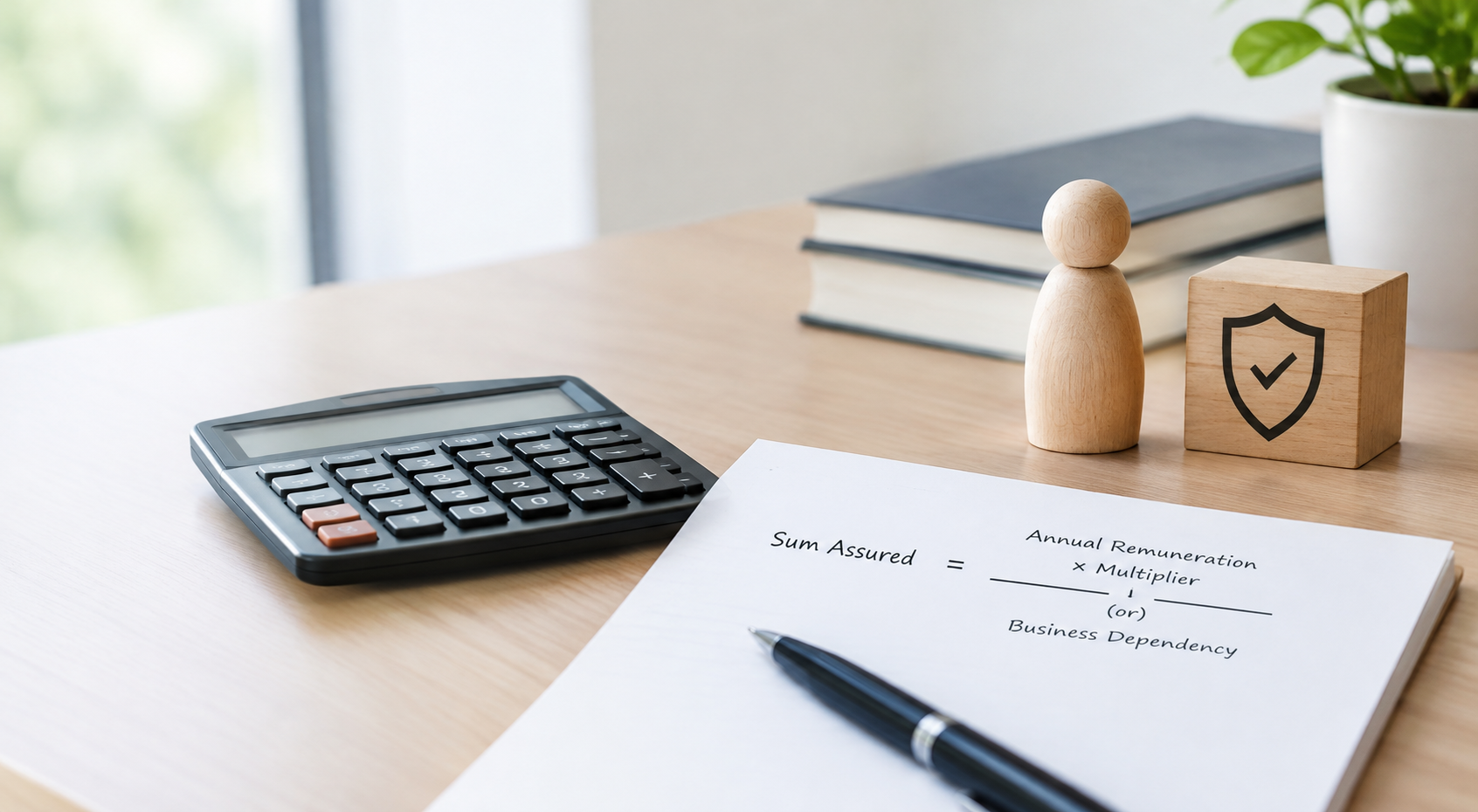
Businesses often rely on their expertise to provide advice, services, designs, or professional solutions to clients. Even when work is carried out carefully, misunderstandings, oversights, or unintended mistakes can sometimes lead to financial disputes. Errors and omissions insurance can help protect professionals and businesses against certain claims arising from alleged mistakes, negligence, or failure to deliver a professional service as expected.
For service-based businesses in particular, appropriate protection can add an extra layer of financial security when a client raises a claim.
What Is Errors and Omissions Insurance?
Errors and omissions insurance is a type of professional liability cover designed to protect businesses against eligible claims related to mistakes, omissions, negligence, or inadequate professional services.
For example, imagine a consultant provides advice to a client and the client later claims that an important detail was overlooked, resulting in financial loss. Depending on the policy terms, errors and omissions cover may help with eligible legal defence costs, settlements, or other covered expenses.
The exact protection varies by insurer and policy, so businesses should carefully review the terms, exclusions, limits, and conditions before purchasing a policy.
Why Do Businesses Need This Coverage?
Professional services often involve expectations, deadlines, recommendations, and specialised knowledge. Even a small error can sometimes have significant consequences for a client.
A client may allege that:
-
Professional advice was incorrect or incomplete
-
An important detail was accidentally omitted
-
A service failed to meet agreed requirements
-
A deadline was missed
-
The professional did not exercise the expected level of care
-
An error caused financial loss
Such allegations do not necessarily mean that the business was actually at fault. However, responding to a claim can still involve legal and administrative expenses. Appropriate insurance can help businesses manage eligible costs according to the policy conditions.
Who Can Consider Errors and Omissions Insurance?
This type of cover can be relevant to a wide range of professionals and service providers. Its suitability depends on the nature of the business and the risks involved.
Professionals who may consider this coverage include:
-
Consultants and business advisers
-
IT and technology service providers
-
Architects and engineers
-
Marketing and advertising professionals
-
Accountants and financial professionals
-
Designers
-
Management consultants
-
Real estate professionals
-
Other specialised service providers
For businesses whose clients depend heavily on their expertise, professional liability protection can be an important part of their broader risk management strategy.
What Does Errors and Omissions Insurance Typically Cover?
The coverage depends on the specific policy, but it may respond to eligible claims involving professional negligence, errors, omissions, misrepresentation, or failure to provide services as promised.
One of the important benefits is protection against the financial impact of defending a covered claim. Legal proceedings can become expensive even when an allegation is ultimately unsuccessful.
However, businesses should not assume that every dispute will automatically be covered. Intentional wrongdoing, known circumstances, contractual disputes, and other exclusions may fall outside the policy. Reading the policy wording carefully is therefore essential.
Errors and Omissions Insurance vs Public Liability Cover
Businesses sometimes confuse professional liability protection with public liability insurance because both can respond to third-party claims. However, they generally address different types of risks.
Commercial public liability insurance is typically associated with third-party bodily injury or property damage arising from business activities, subject to the policy terms.
In contrast, errors and omissions cover focuses primarily on claims alleging financial loss resulting from professional services, advice, mistakes, or omissions.
For example, if a visitor is injured on business premises, public liability cover may be relevant. If a client alleges that incorrect professional advice caused financial loss, professional liability protection may be more applicable.
Depending on the business, both types of cover may be considered as part of a wider insurance strategy.
How Much Coverage Does a Business Need?
There is no universal coverage amount that suits every business. The appropriate limit depends on factors such as the type of services offered, size of the business, value of client contracts, potential financial exposure, and contractual requirements.
Businesses should also consider how much they could realistically spend defending a claim. Reviewing previous claims, client agreements, and industry-specific risks can help when discussing suitable coverage with an insurance provider.
It is equally important to check whether the policy is claims-made or occurrence-based and understand any notification requirements. Timely reporting can be important when a potential claim arises.
How to Choose the Right Policy
Price should not be the only factor when comparing insurance policies. Businesses should examine the coverage limit, exclusions, deductible, geographical scope, defence costs, retroactive cover, and claim notification requirements.
It can also be useful to review the policy whenever the business introduces new services, enters larger contracts, expands into new markets, or changes its professional activities.
Similarly, commercial public liability insurance may need to be reviewed as a business grows or its physical operations change.
Conclusion
Professional businesses work hard to deliver reliable services, but mistakes and misunderstandings can still happen. Errors and omissions insurance can provide financial protection against eligible claims involving alleged professional errors, omissions, or negligence.
The right coverage depends on the nature of the business and its specific exposure. By understanding policy terms and reviewing insurance needs regularly, businesses can build a more practical approach to managing professional risks and protecting their financial interests.

 Arabic
 French
 Spanish
 Portuguese
 Deutsch
 Turkish
 Dutch
 Italiano
 Russian
 Romaian
 Portuguese (Brazil)
 Greek