


Monarch Plants for San Leandro Gardens: Milkweed, Habitat, and Ways to Help
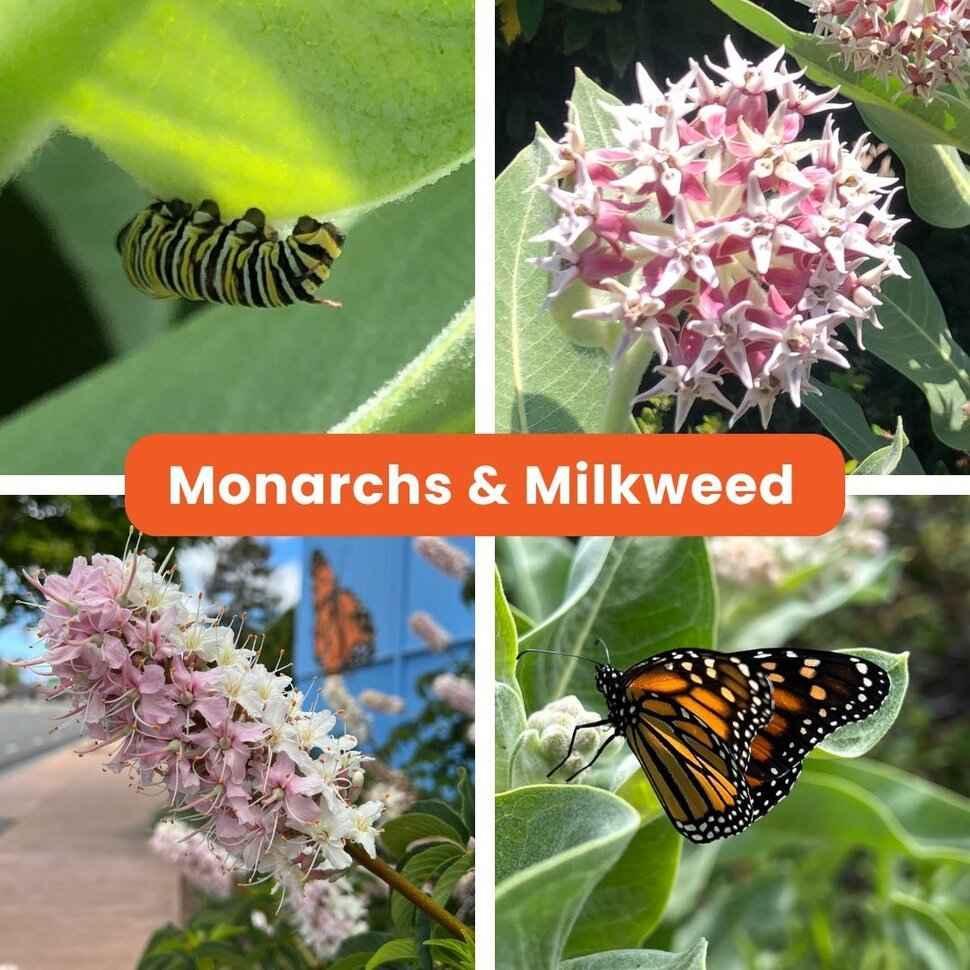
Every fall, western monarch butterflies drift into the East Bay to wait out the winter. Growing the right monarch plants is one of the simplest ways to help them. A small yard, a patio container, or a sunny strip by the driveway can all become part of their habitat.
This guide covers where monarchs spend the winter near San Leandro, which monarch plants to grow, and how to get involved with local groups doing the work.
Where Do Monarchs Spend the Winter Near San Leandro?
Western monarchs overwinter in sheltered spots along California’s coast. In San Leandro, the eucalyptus grove at Monarch Bay Golf Course is where local monarchs cluster during the colder months. While they are dormant, the butterflies hang together in the trees and need to be left undisturbed.
If you want to see more East Bay sites, the Western Monarch Count has an interactive map of overwintering locations. The Xerces Society, a leader in protecting beneficial insects, explains how to visit these sites without disturbing the butterflies.
You can also help with the annual count. The Western Monarch Count is a community-driven project that tracks western monarch numbers every year, and volunteers are welcome from mid-October through November.
-
Overwintering site map: westernmonarchcount.org/map-of-overwintering-sites
-
How to visit overwintering monarchs responsibly: Xerces Society guide
-
Volunteer for the count: westernmonarchcount.org/volunteer
Why Native Milkweed Is the Most Important of All Monarch Plants
Of all the monarch plants you could grow, milkweed matters most. Monarch caterpillars eat only milkweed, so without it there is no next generation of butterflies. Adult monarchs lay their eggs on these plants, and the caterpillars feed on the leaves until they are ready to form a chrysalis.
Native milkweed is the right choice for East Bay gardens. Two species are especially popular around here:
-
Narrow Leaf Milkweed (Asclepias fascicularis): a slender, tough perennial that fits easily into mixed plantings.
-
Showy Milkweed (Asclepias speciosa): a bolder plant with broad leaves and clusters of fragrant blooms.
Native milkweeds die back and go dormant in winter, so a bare patch in cold weather doesn’t mean the plant is dead. They return when the weather warms.
Skip Tropical Milkweed
Tropical Milkweed (Asclepias curassavica) is easy to find and looks cheerful, but it is not a good choice for California. Both the Xerces Society and the Monarch Joint Venture advise against planting non-native milkweed, and Tropical Milkweed in particular.
Because it can keep growing through our mild winters, it may encourage monarchs to stay and breed when they should be resting. When you shop for monarch plants, check the plant tag for the botanical name and choose a native species.
Round Out Your Garden With Nectar-Rich Monarch Plants
Milkweed feeds the caterpillars, but adult monarchs need nectar for energy. A garden that blooms across several seasons gives them reliable food. California native perennials and wildflowers are a strong choice, since they also support bees, native pollinators, and other beneficial insects.
A few habits make your garden safer for butterflies:
-
Plant in sunny spots. Monarchs favor warm, bright locations, and most milkweed grows best in full sun.
-
Group plants together. Clusters of the same plant are easier for butterflies to find than single specimens scattered around.
-
Avoid pesticides. Insecticides can harm caterpillars and adult butterflies alike. Choose gentler pest control, or none, in butterfly areas.
-
Water thoughtfully. Newly planted natives need regular water at first, then far less once their roots settle in.
Fall is also a good time to plant natives in the East Bay, because winter rain helps new roots establish.
Volunteer at the San Leandro Butterfly Garden
You don’t need a big yard to make a difference. The San Leandro Butterfly Garden sits across from the BART station, below the eye-catching monarch mural. It offers monarch habitat and adds beauty to the neighborhood.
Volunteers help care for this native plant garden on the first Saturday of every month, from 10am to 12pm. You will be shown what to do, and you’ll meet other butterfly lovers along the way. To keep up with news and events, follow the San Leandro Butterfly Garden on Facebook.
Join Homegrown Habitats San Leandro
Homegrown Habitats San Leandro (HHSL) is a group of neighbors who garden with native plants to support biodiversity and a healthy ecosystem. They work with the City of San Leandro and maintain a container demo garden at the Manor Branch library. They also encourage native plants in both private yards and public landscapes.
To learn more, join their email list and attend their free local events. Their page on the City of San Leandro’s website is a good place to start: HHSL on sanleandro.org.
Where to Find Monarch Plants in San Leandro
You can find native milkweed at native plant nurseries and independent garden centers, including Evergreen Nursery at 350 San Leandro Blvd, about a mile north of the BART station. Browse our California Native garden collection to see what’s available, or stop by and ask our team. We’re happy to help you choose monarch plants that suit your sun, space, and soil.

 Arabic
 French
 Spanish
 Portuguese
 Deutsch
 Turkish
 Dutch
 Italiano
 Russian
 Romaian
 Portuguese (Brazil)
 Greek