


Orthopedic Surgical Tools: Strength, Precision, and Patient Safety
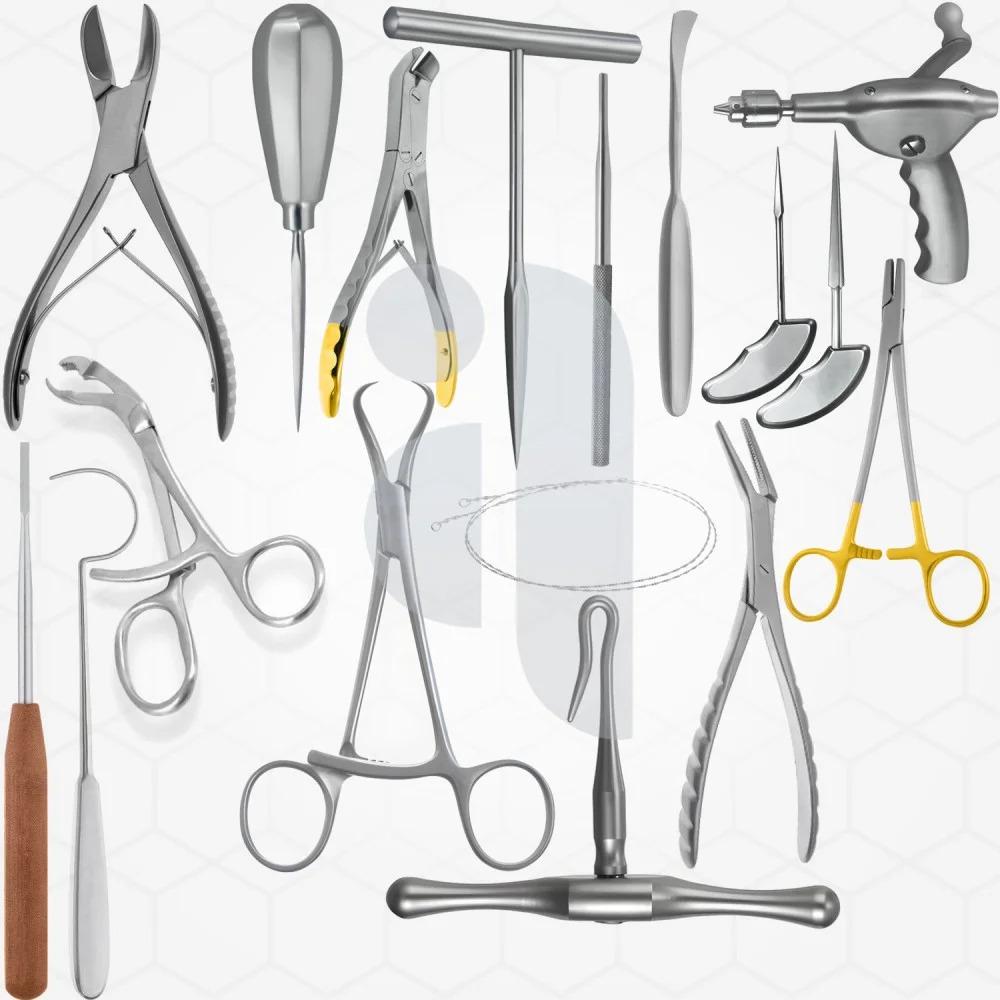
Orthopedic surgery is some of the most physically demanding work in medicine. Surgeons cut, shape, drill, and secure bone, often while working close to nerves, blood vessels, and soft tissue. Every step depends on tools that can handle real force without losing accuracy. That is why ortho surgery instruments play such a central role in every successful procedure. Below, we explore what makes these tools special and why quality matters so much.

Why Orthopedic Procedures Need Specialized Tools
Bone is dense, strong, and far less forgiving than soft tissue. A general surgical tool simply cannot do the job. Orthopedic surgeons rely on osteotomes to shape bone, rongeurs to remove small fragments, and bone-holding forceps to keep pieces steady during repair. Retractors open a clear view of the surgical site, while drills, reamers, and mallets help prepare bone for implants. Each instrument has a specific purpose, and together they make complex procedures possible, from fracture repair to joint replacement.
Precision That Protects Patients
You might think orthopedic work is all about strength, but precision matters just as much. A cut that strays slightly can affect implant alignment, joint movement, and long-term recovery. Well-designed ortho surgery instruments give surgeons the control they need to remove only what is necessary and protect healthy tissue nearby. This careful approach lowers the risk of complications, reduces blood loss, and supports faster healing for patients.
Durability Under Constant Pressure
Orthopedic tools face more stress than almost any other surgical equipment. They are struck, twisted, and pressed against hard bone, then sterilized again and again. Poorly made tools can bend, chip, or corrode over time. Durable ortho surgery instruments keep their shape, strength, and sharp edges through years of use. That reliability saves hospitals money and keeps operating rooms running without unexpected delays.
Building Surgeon Confidence
Confidence in the operating room starts with trust in your tools. When an instrument feels balanced, grips securely, and performs the same way every time, surgeons can focus fully on the patient. Ergonomic handles also reduce hand fatigue during long procedures, which helps maintain steady, accurate movements from the first incision to the final stitch.
Quality Materials and Careful Craftsmanship
The best tools begin with the right materials. High-grade surgical stainless steel resists rust, holds up to repeated autoclaving, and keeps edges sharp. Skilled manufacturing makes sure every joint moves smoothly and every jaw closes evenly. When ortho surgery instruments are built with this level of care, they support safer surgeries and more predictable results.
AzeeMed: Over Two Decades of Surgical Expertise
AzeeMed focuses on making duval forceps of the highest quality for the medical community around the globe. With more than two decades of experience, we understand the challenges surgeons face every day. We furnish a wide array of instruments for many specialties, including plastic, dental, ophthalmic, neuro and spine, and orthopedic surgeries. Every product reflects our commitment to precision, durability, and dependable performance.
Conclusion
Orthopedic surgery asks a lot from both surgeons and their tools. Reliable ortho surgery instruments combine strength, accuracy, and lasting quality to protect patients and support better outcomes. Choosing the right supplier is a direct investment in patient care. If you need instruments your surgical team can trust, explore AzeeMed's range and see how expert craftsmanship makes a real difference in the operating room.

 Arabic
 French
 Spanish
 Portuguese
 Deutsch
 Turkish
 Dutch
Dutch
 Italiano
 Russian
 Romaian
 Portuguese (Brazil)
 Greek
Greek