


Automated Visual Inspection Qualification and USP 790 Visual Inspection for Pharmaceutical Quality
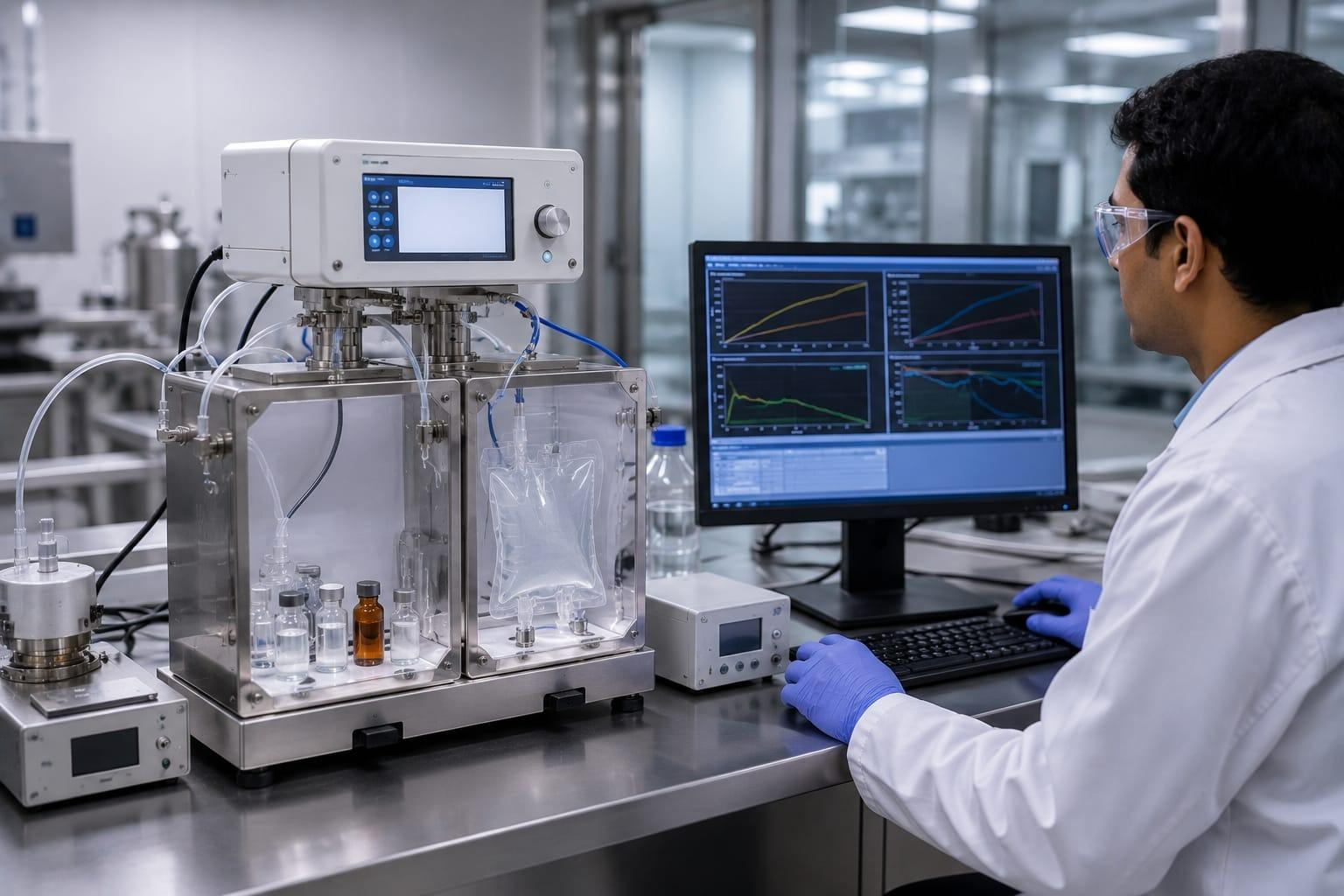
Gujarat, India – FTI Incorporation highlights the importance of automated visual inspection qualification and USP 790 visual inspection in supporting quality control practices across the pharmaceutical industry. As pharmaceutical companies work to maintain product quality and meet industry requirements, suitable inspection methods, trained staff, and clear procedures remain important parts of the quality process.
Visual inspection helps identify visible defects in pharmaceutical products and their containers. With the development of automated inspection technology, companies also need suitable ways to check whether their inspection systems work as intended. Understanding these processes can help pharmaceutical manufacturers make informed decisions about inspection, training, and quality management.
Understanding Automated Visual Inspection Qualification
Automated visual inspection uses machines, cameras, lighting systems, and computer software to examine products for visible defects. These systems can inspect products at high speed and help manufacturers identify certain defects during production.
For example, an automated system may be designed to identify visible particles, damaged containers, missing components, or other defects that it has been configured to detect. The types of defects a system can identify depend on its design, settings, and inspection conditions.
However, installing an automated inspection machine does not automatically mean that it is ready for routine use. The system needs to be evaluated to confirm that it performs according to its intended purpose.
This is where automated visual inspection qualification becomes important.
Automated visual inspection qualification involves documented activities used to show that an inspection system is suitable for its intended use and performs according to defined requirements. The exact activities depend on the equipment, the product, the inspection process, and the company's quality system.
Why Is Automated Inspection Qualification Important?
Pharmaceutical products must meet strict quality expectations. A missed defect may lead to product rejection, further investigation, or other quality concerns. Automated inspection systems can support the inspection process, but their performance must be properly evaluated.
A structured qualification process can help pharmaceutical manufacturers in several ways.
1. Checking system performance
Qualification activities help confirm whether the system performs the tasks it was designed to perform. Testing should reflect the intended application and include suitable conditions.
2. Improving inspection consistency
Automated systems can apply defined inspection settings repeatedly. Proper qualification helps companies understand how consistently the system identifies the defects it is designed to detect.
3. Supporting quality records
Documented results provide evidence of the checks performed and whether the system met its acceptance criteria. These records can support internal quality reviews and applicable regulatory expectations.
4. Identifying areas for improvement
Testing may reveal problems with lighting, camera settings, product presentation, or defect detection. Companies can investigate these findings and make suitable changes before routine use.
5. Supporting ongoing monitoring
Qualification is not always a one-time activity. Equipment changes, software updates, new products, or changes in inspection conditions may require additional assessment based on risk and established procedures.
It is important to understand that automated inspection systems have limitations. They may not detect every possible defect, and their performance can be affected by product characteristics, lighting, container design, and system settings. Companies must understand these limits when designing their inspection processes.
What Is USP 790 Visual Inspection?
USP 790 visual inspection refers to the United States Pharmacopeia's General Chapter USP <790>, which addresses the visual inspection of injections.
The chapter focuses on the visual inspection of injectable products for visible particles and other visible defects. This is an important part of pharmaceutical quality control because injectable medicines are administered directly into the body.
Visible inspection helps identify products that may not meet the applicable requirements. However, it cannot identify every type of contamination or quality problem. Other testing and quality controls may also be needed, depending on the product and its requirements.
Pharmaceutical manufacturers should consult the current official USP text and applicable regulations when developing or reviewing their inspection procedures. They should also confirm which requirements apply to their specific products and manufacturing processes.
The Role of USP 790 Visual Inspection in Quality Control
Visual inspection is an important step in maintaining the quality of injectable medicines. Products may be checked for visible particles, container damage, and other defects that could affect their acceptability.
USP 790 visual inspection provides a relevant reference for understanding the visual inspection of injections. Companies should use the official chapter alongside other applicable standards, regulatory requirements, and internal procedures.
The aim is to develop an inspection process that is appropriate for the product and supported by reliable evidence.
Connecting Automated Visual Inspection Qualification with USP 790
Automated inspection technology and visual inspection requirements address related but different parts of pharmaceutical quality control.
USP <790> addresses the visual inspection of injections. Automated visual inspection qualification focuses on establishing that an automated system is suitable for its intended use and performs according to defined requirements.
When a manufacturer uses automated equipment to inspect injectable products, the company should consider both the product inspection requirements and the performance of the equipment.
A suitable approach may include the following steps:
- Define the purpose: Identify the products, containers, and defects the system is expected to inspect.
- Set acceptance criteria: Establish clear requirements for evaluating system performance before testing begins.
- Use suitable test samples: Select samples that represent relevant defect types and inspection conditions.
- Evaluate performance: Record how the system responds to the samples and compare the results with the predefined criteria.
- Review the results: Investigate unexpected outcomes and document any corrective actions.
- Maintain records: Keep qualification reports, procedures, and supporting evidence according to the company's quality system.
- Review changes: Assess whether equipment, software, product, or process changes require further testing.
These steps are general examples rather than a complete qualification protocol. The specific approach should be based on the system's intended use, risk assessment, and applicable requirements.
FTI Incorporation Emphasizes the Value of Reliable Inspection Practices
FTI Incorporation highlights the importance of understanding inspection requirements, qualification activities, and supporting documentation when evaluating pharmaceutical quality tools and processes.
A thoughtful selection process can help companies build inspection programmes that are better aligned with their quality objectives.
About FTI Incorporation
FTI Incorporation operates in the pharmaceutical quality and inspection product space. The company is relevant to organisations researching inspection-related tools and qualification resources for pharmaceutical quality activities. Customers should contact FTI Incorporation directly to confirm current product availability, technical specifications, and supporting documentation.
Conclusion
Automated inspection technology can support pharmaceutical manufacturers by helping identify selected visible defects during production. However, the system must be evaluated carefully to confirm that it performs according to its intended purpose.
Automated visual inspection qualification helps provide documented evidence of system performance, while USP 790 visual inspection provides an important reference for the visual inspection of injections.
FTI Incorporation encourages pharmaceutical professionals to understand their inspection needs and carefully evaluate the tools and procedures used to support product quality and patient safety.
Office Address
Head office: Forensic Technological Innovation, Incubated at National Forensic Sciences University, Sector 9, Gandhinagar Gujarat 382007, India.
Manufacturing Unit: Shukan Industrial Park, GIDC, Sector 26, Gandhinagar, Gujarat 382610
USA office: 58 Albert Ct, City: Randolph, State: New Jersey Zip code: 07869 USA
Europe office: Jisperveldstaart, 1024AT, Amsterdam
Contact Us
+91–9638344845
+91–9654428259
+91–8888860585

 Arabic
 French
 Spanish
 Portuguese
 Deutsch
 Turkish
 Dutch
Dutch
 Italiano
 Russian
 Romaian
 Portuguese (Brazil)
 Greek
Greek