


How Does a US Dedicated Server Work?
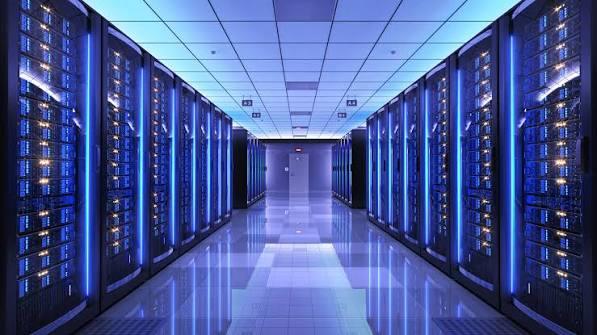
It is a popular hosting solution for businesses, developers, e-commerce websites, gaming platforms, and applications that require reliable performance and greater control.
A US dedicated server operates from a professional data center us dedicated server equipped with high-speed internet connections, power backup systems, cooling infrastructure, and security measures. When a customer rents a dedicated server, the hosting provider allocates a physical machine for their exclusive use.
The customer can configure the server according to their requirements, including installing an operating system, deploying applications, managing databases, and selecting security settings. Depending on the hosting plan, customers may receive full administrative access and manage the server independently or choose managed hosting services.
Because the server is located in the United States, it can offer convenient connectivity to American audiences and businesses. However, actual performance depends on the data center location, network routing, bandwidth, and the distance between the server and its users.
Key Benefits of a US Dedicated Server
1. High Performance
One of the main advantages of a US dedicated server is access to dedicated hardware resources. CPU cores, RAM, storage, and network capacity are not shared with unrelated hosting customers in the same way as they are in shared hosting environments.
This makes dedicated servers suitable for resource-intensive websites, large databases, business applications, and high-traffic platforms. Businesses can also select modern processors, NVMe SSD storage, and additional memory to meet their workloads.
2. Greater Security and Control
Dedicated hosting gives customers more control over server configuration, software installation, access permissions, and security policies. Organizations can implement firewalls, encryption, monitoring tools, and customized backup procedures.
However, dedicated hosting does not automatically guarantee complete security. Customers must maintain software updates, secure credentials, configure access controls, and monitor potential threats. Managed hosting can help businesses that lack an in-house technical team.
3. Reliable Network Connectivity
The United States has numerous data center markets and network providers. Choosing a suitable US dedicated server can help businesses serve American customers with consistent connectivity and predictable performance.
Hosting providers may offer redundant network connections, service monitoring, and protection against certain distributed denial-of-service attacks. Before selecting a provider, customers should review its uptime commitments, bandwidth limits, network capacity, and support policies.
4. Scalability and Customization
A dedicated server can be configured for specific business needs. Customers may choose different processor models, memory capacities, storage options, operating systems, and bandwidth packages.
Although dedicated hardware offers substantial flexibility, upgrades may require additional costs or physical changes. Businesses experiencing rapid growth should check whether their provider supports hardware upgrades, remote management, and migration to more powerful servers.
Common Uses of US Dedicated Servers
US dedicated servers support many types of online projects. E-commerce businesses use them to manage product catalogs, customer accounts, and transactions. Software companies use dedicated environments for application hosting, testing, and database management.
Gaming companies may rent dedicated servers to host multiplayer games with customized configurations. Streaming platforms, media websites, and content delivery applications can also benefit from dedicated computing resources.

 English
 Arabic
 French
 Spanish
 Deutsch
 Turkish
 Dutch
Dutch
 Italiano
 Russian
 Romaian
 Portuguese (Brazil)
 Greek
Greek