
Sponsored
  • THE OREDO CONVERSATION — EPISODE 4


    BEYOND PROJECTS: INVESTING IN PEOPLE


    Healthcare, Education, Youth and Women in the Representation Conversation


    When people discuss political representation, the conversation often centres on roads, electricity, buildings and other physical projects.


    But communities are made up of people.


    And for many families, the most important question is not simply what infrastructure is being built, but whether representation is helping people gain access to healthcare, education, opportunity and economic support.


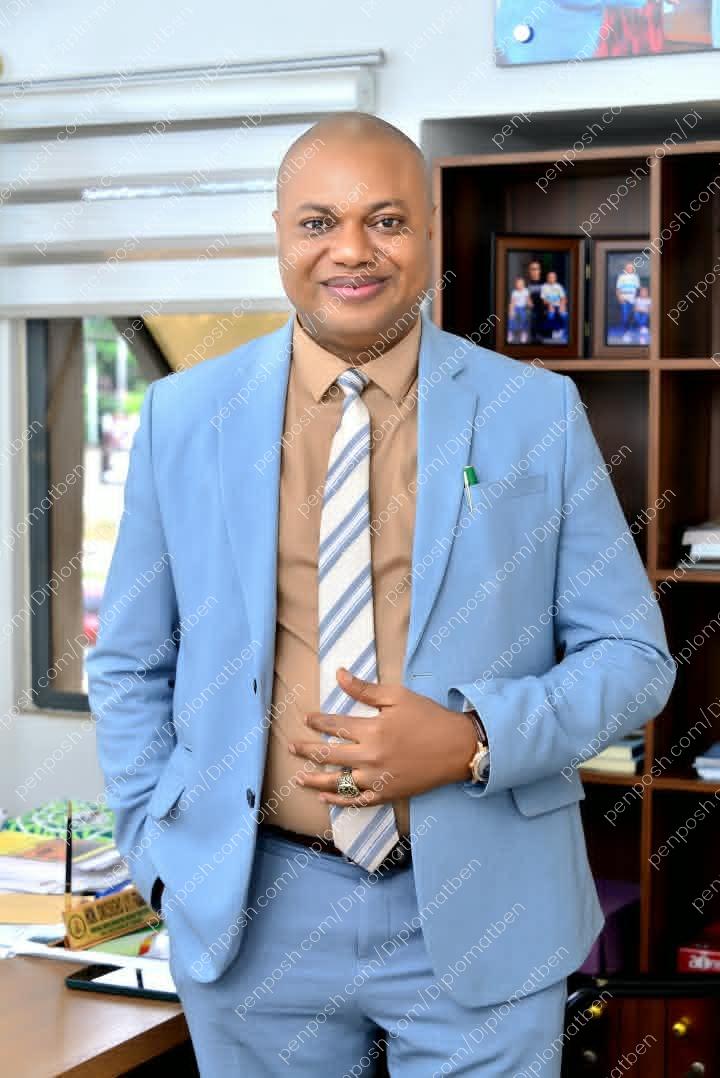
    This is another area in which Hon. Frank Uyi Omosigho's record as a representative of Oredo East Constituency has been presented for public examination.


    According to reports detailing his stated constituency interventions, Omosigho said 420 residents were enrolled in a health-insurance scheme, with beneficiaries paying only a portion of their hospital bills. A later report gave a higher figure of about 500 beneficiaries, demonstrating why constituency claims and project numbers should always be verified against available records.


    His reported education-related interventions include assistance with JAMB and SSCE registration and full university sponsorship for one outstanding student. He has also identified support for women starting small businesses and initiatives aimed at creating opportunities for young people.


    Youth engagement has reportedly included a constituency football tournament and efforts to facilitate employment opportunities for young people.


    These interventions raise a broader question:


    What should constituency representation mean to an ordinary person?


    For a student, representation might mean help accessing an examination or education opportunity.


    For a young person, it might mean skills, employment or a pathway away from unemployment and frustration.


    For a woman trying to establish a small business, access to basic support could make the difference between an idea remaining an idea and becoming a source of income.


    For a family facing medical expenses, health coverage can provide relief at a moment when it is most needed.


    This is why people-centred representation deserves as much attention as physical infrastructure.


    However, the same standard of accountability should apply here too.


    How many people actually benefited?


    How were beneficiaries selected?


    What was the source of funding?


    Were the interventions one-off or sustainable?


    What measurable impact did they produce?


    And perhaps the most important question:


    How can successful interventions be expanded to reach more people?


    These questions are particularly relevant as Omosigho seeks a federal mandate.


    The House of Representatives provides a different platform from the State House of Assembly. At the federal level, representation can involve advocating for national programmes, engaging federal agencies, participating in legislation and oversight, and pursuing constituency opportunities within the federal system.


    That means the discussion should move beyond what has already been done.


    It should also examine what can realistically be achieved at the next level.


    Omosigho has presented his existing record as evidence of his approach to grassroots representation. Whether that record meets the expectations of constituents is ultimately something the people themselves must assess.


    And that principle should apply to every candidate.


    Records should be examined.


    Beneficiaries should be heard.


    Claims should be verified.


    Promises should be questioned.


    Because political representation is ultimately about people—not statistics, photographs or campaign slogans.


    The real measure is whether public service creates opportunities, solves problems and improves the lives of the people it is meant to serve.


    That is why the conversation about Oredo must include not only projects, but also people.


    THE OREDO CONVERSATION


    EPISODE 4 — BEYOND PROJECTS: INVESTING IN PEOPLE


    By: Benjamin Emmanuel
    Political Affairs Researcher & Writer


    Published on Penposh
    Independent Digital Publishing Platform.
    THE OREDO CONVERSATION — EPISODE 4 BEYOND PROJECTS: INVESTING IN PEOPLE Healthcare, Education, Youth and Women in the Representation Conversation When people discuss political representation, the conversation often centres on roads, electricity, buildings and other physical projects. But communities are made up of people. And for many families, the most important question is not simply what infrastructure is being built, but whether representation is helping people gain access to healthcare, education, opportunity and economic support. This is another area in which Hon. Frank Uyi Omosigho's record as a representative of Oredo East Constituency has been presented for public examination. According to reports detailing his stated constituency interventions, Omosigho said 420 residents were enrolled in a health-insurance scheme, with beneficiaries paying only a portion of their hospital bills. A later report gave a higher figure of about 500 beneficiaries, demonstrating why constituency claims and project numbers should always be verified against available records. His reported education-related interventions include assistance with JAMB and SSCE registration and full university sponsorship for one outstanding student. He has also identified support for women starting small businesses and initiatives aimed at creating opportunities for young people. Youth engagement has reportedly included a constituency football tournament and efforts to facilitate employment opportunities for young people. These interventions raise a broader question: What should constituency representation mean to an ordinary person? For a student, representation might mean help accessing an examination or education opportunity. For a young person, it might mean skills, employment or a pathway away from unemployment and frustration. For a woman trying to establish a small business, access to basic support could make the difference between an idea remaining an idea and becoming a source of income. For a family facing medical expenses, health coverage can provide relief at a moment when it is most needed. This is why people-centred representation deserves as much attention as physical infrastructure. However, the same standard of accountability should apply here too. How many people actually benefited? How were beneficiaries selected? What was the source of funding? Were the interventions one-off or sustainable? What measurable impact did they produce? And perhaps the most important question: How can successful interventions be expanded to reach more people? These questions are particularly relevant as Omosigho seeks a federal mandate. The House of Representatives provides a different platform from the State House of Assembly. At the federal level, representation can involve advocating for national programmes, engaging federal agencies, participating in legislation and oversight, and pursuing constituency opportunities within the federal system. That means the discussion should move beyond what has already been done. It should also examine what can realistically be achieved at the next level. Omosigho has presented his existing record as evidence of his approach to grassroots representation. Whether that record meets the expectations of constituents is ultimately something the people themselves must assess. And that principle should apply to every candidate. Records should be examined. Beneficiaries should be heard. Claims should be verified. Promises should be questioned. Because political representation is ultimately about people—not statistics, photographs or campaign slogans. The real measure is whether public service creates opportunities, solves problems and improves the lives of the people it is meant to serve. That is why the conversation about Oredo must include not only projects, but also people. THE OREDO CONVERSATION EPISODE 4 — BEYOND PROJECTS: INVESTING IN PEOPLE By: Benjamin Emmanuel Political Affairs Researcher & Writer Published on Penposh Independent Digital Publishing Platform.
    1 Comments 0 Shares 553 Views 0 Reviews
  • THE OREDO CONVERSATION — EPISODE 3


    WHEN REPRESENTATION BECOMES VISIBLE


    Infrastructure, Community Needs and the Meaning of Constituency Service


    What does effective representation look like?


    Sometimes, it is found in legislation. Sometimes, it is found in advocacy. And sometimes, it is something people can physically see when they walk through their communities.


    For Hon. Frank Uyi Omosigho, infrastructure has been one of the areas highlighted in discussions about his record as the representative of Oredo East Constituency in the Edo State House of Assembly.


    According to a September 2026 report detailing his account of his constituency interventions, Omosigho said his tenure had included the installation of more than 5,000 streetlights and the provision of 11 transformers across the six wards of his constituency. He said these interventions were intended to improve security and electricity supply.


    He also identified the construction of a town hall at Umegbe, which he said serves about 22 communities, as well as ongoing borehole projects.


    These claims deserve attention—not simply because infrastructure makes for attractive campaign material, but because basic infrastructure remains closely connected to everyday life.


    A functioning streetlight can make movement at night safer.


    Electricity infrastructure can support homes and businesses.


    Access to water can make a difference to families and communities.


    And a community facility can provide a place where residents can meet, organise and address common concerns.


    But there is another side to the infrastructure question.


    How should constituents measure the success of a project?


    Is it enough for a project to be announced?


    Should residents be able to identify where it is located?


    Who financed it?


    Who implemented it?


    Who benefits from it?


    Is it functioning?


    And who is responsible for maintaining it?


    These questions are important because responsible representation should ultimately be about impact and accountability, not simply the number of projects mentioned during a campaign.


    Omosigho's reported record provides an opportunity to examine these questions as he seeks to move from state-level representation to the House of Representatives.


    At the federal level, the scope becomes broader. A representative can advocate for federal projects and interventions, engage government agencies, participate in budget and oversight processes, and raise issues affecting constituents at the national level.


    That makes the conversation about infrastructure particularly relevant to Oredo Federal Constituency.


    Oredo is a large and diverse constituency with communities facing different needs. Roads, drainage, electricity, water, healthcare facilities, schools, security infrastructure and economic opportunities are issues that can affect residents differently from one community to another.


    Therefore, the question before any candidate should not simply be:


    “What projects will you promise?”


    A better question is:


    “What problems have you identified, what solutions are you proposing, and how will you be accountable for delivering them?”


    For Omosigho, the infrastructure record he has presented from Oredo East is part of the evidence voters may consider as they assess his suitability for a wider federal mandate.


    But the same standard should apply to every candidate.


    Records should be examined.


    Projects should be verified.


    Promises should be questioned.


    And constituents should remain at the centre of the conversation.


    Because representation is not ultimately about how many things can be listed on a campaign poster.


    It is about whether public service produces meaningful results in the lives of the people.


    That is the conversation Oredo deserves.


    THE OREDO CONVERSATION


    EPISODE 3 — WHEN REPRESENTATION BECOMES VISIBLE


    By: Benjamin Emmanuel
    Political Affairs Researcher & Writer


    Published on Penposh
    Independent Digital Publishing Platform
    THE OREDO CONVERSATION — EPISODE 3 WHEN REPRESENTATION BECOMES VISIBLE Infrastructure, Community Needs and the Meaning of Constituency Service What does effective representation look like? Sometimes, it is found in legislation. Sometimes, it is found in advocacy. And sometimes, it is something people can physically see when they walk through their communities. For Hon. Frank Uyi Omosigho, infrastructure has been one of the areas highlighted in discussions about his record as the representative of Oredo East Constituency in the Edo State House of Assembly. According to a September 2026 report detailing his account of his constituency interventions, Omosigho said his tenure had included the installation of more than 5,000 streetlights and the provision of 11 transformers across the six wards of his constituency. He said these interventions were intended to improve security and electricity supply. He also identified the construction of a town hall at Umegbe, which he said serves about 22 communities, as well as ongoing borehole projects. These claims deserve attention—not simply because infrastructure makes for attractive campaign material, but because basic infrastructure remains closely connected to everyday life. A functioning streetlight can make movement at night safer. Electricity infrastructure can support homes and businesses. Access to water can make a difference to families and communities. And a community facility can provide a place where residents can meet, organise and address common concerns. But there is another side to the infrastructure question. How should constituents measure the success of a project? Is it enough for a project to be announced? Should residents be able to identify where it is located? Who financed it? Who implemented it? Who benefits from it? Is it functioning? And who is responsible for maintaining it? These questions are important because responsible representation should ultimately be about impact and accountability, not simply the number of projects mentioned during a campaign. Omosigho's reported record provides an opportunity to examine these questions as he seeks to move from state-level representation to the House of Representatives. At the federal level, the scope becomes broader. A representative can advocate for federal projects and interventions, engage government agencies, participate in budget and oversight processes, and raise issues affecting constituents at the national level. That makes the conversation about infrastructure particularly relevant to Oredo Federal Constituency. Oredo is a large and diverse constituency with communities facing different needs. Roads, drainage, electricity, water, healthcare facilities, schools, security infrastructure and economic opportunities are issues that can affect residents differently from one community to another. Therefore, the question before any candidate should not simply be: “What projects will you promise?” A better question is: “What problems have you identified, what solutions are you proposing, and how will you be accountable for delivering them?” For Omosigho, the infrastructure record he has presented from Oredo East is part of the evidence voters may consider as they assess his suitability for a wider federal mandate. But the same standard should apply to every candidate. Records should be examined. Projects should be verified. Promises should be questioned. And constituents should remain at the centre of the conversation. Because representation is not ultimately about how many things can be listed on a campaign poster. It is about whether public service produces meaningful results in the lives of the people. That is the conversation Oredo deserves. THE OREDO CONVERSATION EPISODE 3 — WHEN REPRESENTATION BECOMES VISIBLE By: Benjamin Emmanuel Political Affairs Researcher & Writer Published on Penposh Independent Digital Publishing Platform
    0 Comments 0 Shares 829 Views 0 Reviews
  • THE OREDO CONVERSATION — EPISODE 2


    FROM OREDO EAST TO THE NATIONAL ASSEMBLY


    What Does Legislative Experience Mean at the Federal Level?


    A political journey can be measured in many ways.


    For some, it is measured by the offices they have occupied. For others, it is measured by the issues they have raised, the communities they have represented and the responsibilities they have taken on along the way.


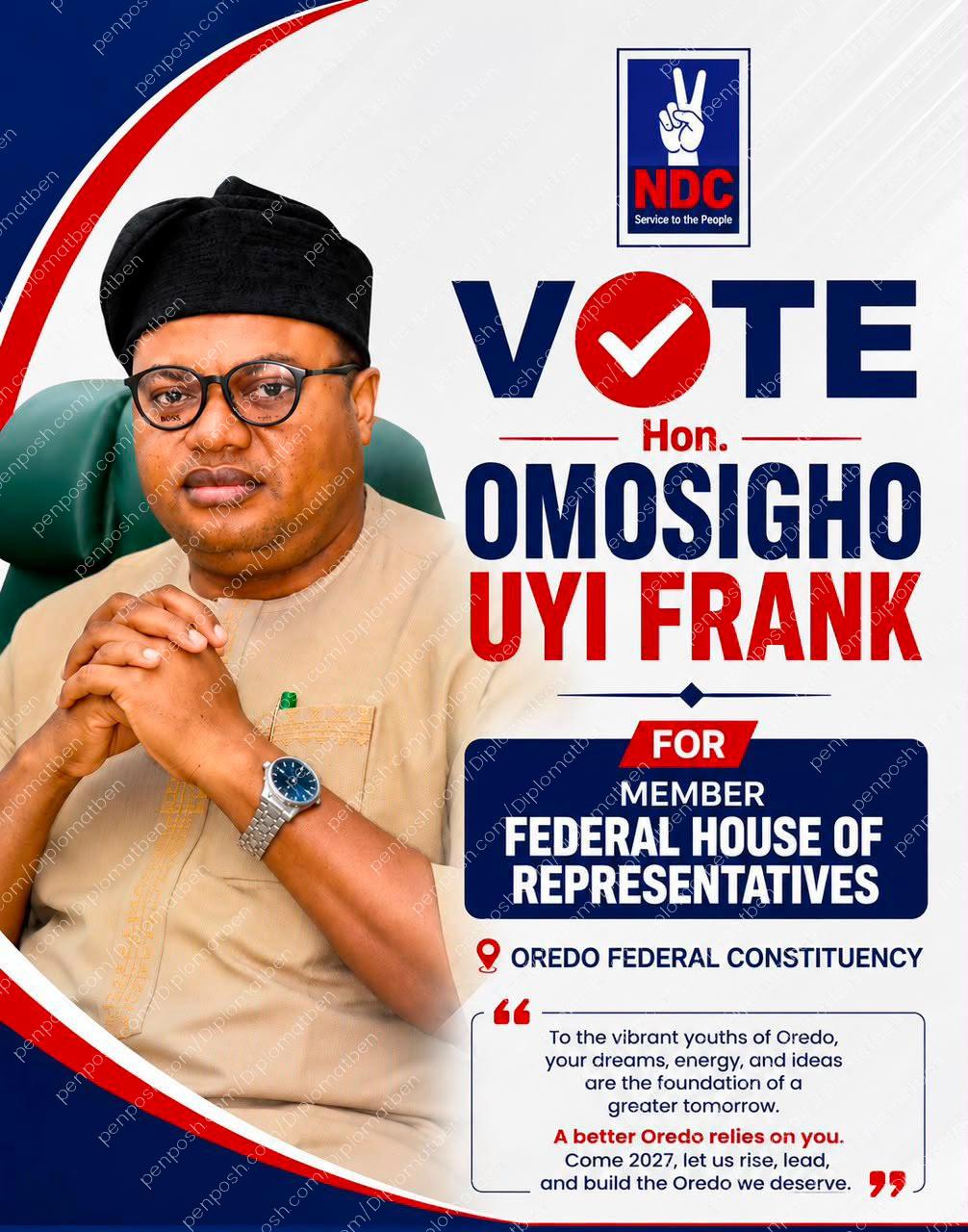
    For Hon. Frank Uyi Omosigho, the current political conversation is about a transition—from representing Oredo East Constituency in the Edo State House of Assembly to seeking a seat representing Oredo Federal Constituency in the House of Representatives.


    Omosigho was elected to represent Oredo East in the 2023 Edo State House of Assembly election. Contemporary reports from the supplementary election recorded him as the winner of the Oredo East constituency election.


    Three years later, the scale of the political responsibility he is seeking has changed.


    The Edo State House of Assembly deals primarily with matters within the constitutional responsibilities of the state, while the National Assembly operates at the federal level, dealing with national legislation, federal oversight and matters affecting the country as a whole.


    That difference makes experience worth examining.


    What lessons can a state legislator carry into the National Assembly?


    Omosigho has argued that his experience at the Edo State House of Assembly has prepared him for what he describes as a higher level of service. In a September 2026 report, he said his decision to seek the federal seat was driven by constituents who wanted his interventions extended to the federal level.


    He has also presented his record in Oredo East as part of the basis for that aspiration, pointing to reported interventions involving healthcare, street lighting, electricity infrastructure, water projects, education, youth opportunities and women's empowerment. Those claims remain matters that can be examined against project records and the experiences of beneficiaries.


    But federal representation requires more than transferring a list of constituency projects from one level of government to another.


    A member of the House of Representatives participates in federal lawmaking and oversight and represents an entire federal constituency at the national level.


    That means the transition raises several important questions.


    Can experience at the state level translate into effective federal representation?


    Which issues from Oredo East require federal intervention?


    What legislation would benefit the wider Oredo Federal Constituency?


    How would federal agencies and institutions be engaged on constituency needs?


    What mechanisms would be used to keep constituents informed about activities in Abuja?


    These questions are not unique to Omosigho.


    They are questions that can—and should—be asked of every candidate seeking to represent Oredo Federal Constituency.


    Omosigho's political journey also includes a recent party change. In June 2026, Channels Television reported that he was among Edo lawmakers who moved from the All Progressives Congress to the Nigerian Democratic Congress.


    In August, reporting on the NDC's unveiling of its candidates identified Omosigho as the party's candidate for Oredo Federal Constituency.


    That development forms part of the current political context surrounding his candidacy.


    But beyond party labels, the central issue remains representation.


    The people of Oredo Federal Constituency will have the opportunity to examine the records, experience, positions and proposals of those seeking the mandate.


    For Omosigho, the question is no longer only what has been done at the state level.


    It is also what that experience could mean for representation at the federal level.


    From Oredo East to Abuja, the responsibility becomes wider.


    And with a wider responsibility comes a wider standard of accountability.


    THE OREDO CONVERSATION


    EPISODE 2 — FROM OREDO EAST TO THE NATIONAL ASSEMBLY


    By: Benjamin Emmanuel
    Political Affairs Researcher & Writer


    Published on Penposh
    Independent Digital Publishing Platform.
    THE OREDO CONVERSATION — EPISODE 2 FROM OREDO EAST TO THE NATIONAL ASSEMBLY What Does Legislative Experience Mean at the Federal Level? A political journey can be measured in many ways. For some, it is measured by the offices they have occupied. For others, it is measured by the issues they have raised, the communities they have represented and the responsibilities they have taken on along the way. For Hon. Frank Uyi Omosigho, the current political conversation is about a transition—from representing Oredo East Constituency in the Edo State House of Assembly to seeking a seat representing Oredo Federal Constituency in the House of Representatives. Omosigho was elected to represent Oredo East in the 2023 Edo State House of Assembly election. Contemporary reports from the supplementary election recorded him as the winner of the Oredo East constituency election. Three years later, the scale of the political responsibility he is seeking has changed. The Edo State House of Assembly deals primarily with matters within the constitutional responsibilities of the state, while the National Assembly operates at the federal level, dealing with national legislation, federal oversight and matters affecting the country as a whole. That difference makes experience worth examining. What lessons can a state legislator carry into the National Assembly? Omosigho has argued that his experience at the Edo State House of Assembly has prepared him for what he describes as a higher level of service. In a September 2026 report, he said his decision to seek the federal seat was driven by constituents who wanted his interventions extended to the federal level. He has also presented his record in Oredo East as part of the basis for that aspiration, pointing to reported interventions involving healthcare, street lighting, electricity infrastructure, water projects, education, youth opportunities and women's empowerment. Those claims remain matters that can be examined against project records and the experiences of beneficiaries. But federal representation requires more than transferring a list of constituency projects from one level of government to another. A member of the House of Representatives participates in federal lawmaking and oversight and represents an entire federal constituency at the national level. That means the transition raises several important questions. Can experience at the state level translate into effective federal representation? Which issues from Oredo East require federal intervention? What legislation would benefit the wider Oredo Federal Constituency? How would federal agencies and institutions be engaged on constituency needs? What mechanisms would be used to keep constituents informed about activities in Abuja? These questions are not unique to Omosigho. They are questions that can—and should—be asked of every candidate seeking to represent Oredo Federal Constituency. Omosigho's political journey also includes a recent party change. In June 2026, Channels Television reported that he was among Edo lawmakers who moved from the All Progressives Congress to the Nigerian Democratic Congress. In August, reporting on the NDC's unveiling of its candidates identified Omosigho as the party's candidate for Oredo Federal Constituency. That development forms part of the current political context surrounding his candidacy. But beyond party labels, the central issue remains representation. The people of Oredo Federal Constituency will have the opportunity to examine the records, experience, positions and proposals of those seeking the mandate. For Omosigho, the question is no longer only what has been done at the state level. It is also what that experience could mean for representation at the federal level. From Oredo East to Abuja, the responsibility becomes wider. And with a wider responsibility comes a wider standard of accountability. THE OREDO CONVERSATION EPISODE 2 — FROM OREDO EAST TO THE NATIONAL ASSEMBLY By: Benjamin Emmanuel Political Affairs Researcher & Writer Published on Penposh Independent Digital Publishing Platform.
    0 Comments 1 Shares 2K Views 0 Reviews
  • THE OREDO CONVERSATION — EPISODE 1


    THE RECORD BEFORE THE PROMISE


    Hon. Frank Uyi Omosigho: From Oredo East to the Wider Oredo Conversation


    In politics, promises are easy to make.


    Records are harder to build.


    As Hon. Frank Uyi Omosigho seeks election to the House of Representatives for Oredo Federal Constituency, an important question deserves attention:


    What record is he bringing to the table?


    Omosigho is a serving member of the Edo State House of Assembly representing Oredo East Constituency. Recent reporting says he is seeking to take his legislative experience to the federal level, where the responsibilities would include federal lawmaking, oversight and constituency representation.


    According to a September 2026 report, Omosigho has identified a number of interventions from his time representing Oredo East. These include the reported enrolment of 420 residents in a health-insurance scheme, installation of more than 5,000 streetlights, provision of 11 transformers, construction of a town hall at Umegbe serving about 22 communities, and ongoing borehole projects.


    The same report attributes to him other constituency initiatives involving women-owned small businesses, JAMB and SSCE registration, university sponsorship, youth employment facilitation and a constituency football tournament. These figures and claims are attributed to the candidate and are matters that can be examined through available records and the experiences of beneficiaries.


    His legislative activities have also included issues concerning security. Reporting from 2023 documented Omosigho's involvement in a motion concerning suspected cult-related killings in Edo State and calls for action by government and security agencies.


    But a political record should not simply be accepted because it appears in a campaign statement.


    It should be examined.


    What was promised?


    What was actually delivered?


    Who benefited?


    What legislative actions were taken?


    What evidence is available?


    And what do constituents themselves say about the impact?


    These questions are important because moving from the Edo State House of Assembly to the House of Representatives represents a change in the scale and responsibilities of public office.


    The federal level involves issues that extend beyond a single state constituency—national legislation, federal oversight, constituency advocacy and engagement with federal institutions.


    Omosigho's candidacy therefore provides an opportunity to examine how his previous experience, stated priorities and record compare with the responsibilities of the office he is seeking.


    That is the purpose of THE OREDO CONVERSATION.


    This series will examine the issues surrounding Oredo Federal Constituency—infrastructure, healthcare, education, youth opportunities, women empowerment, security, legislative experience, grassroots engagement and the proposals of candidates seeking to represent the constituency.


    The objective is not simply to repeat campaign promises.


    It is to examine the record, the issues, the evidence and the questions that matter to Oredo.


    THE OREDO CONVERSATION


    EPISODE 1 — THE RECORD BEFORE THE PROMISE


    Hon. Frank Uyi Omosigho
    Candidate for House of Representatives
    Oredo Federal Constituency


    By: Benjamin Emmanuel
    Political Affairs Researcher & Writer


    Published on Penposh
    Independent Digital Publishing Platform


    «Editorial Note: This article is part of an independent political-affairs series. Publication on Penposh does not constitute an endorsement of any candidate, political party or political position. Claims and records discussed in the series should be considered alongside publicly available evidence and other perspectives.»
    THE OREDO CONVERSATION — EPISODE 1 THE RECORD BEFORE THE PROMISE Hon. Frank Uyi Omosigho: From Oredo East to the Wider Oredo Conversation In politics, promises are easy to make. Records are harder to build. As Hon. Frank Uyi Omosigho seeks election to the House of Representatives for Oredo Federal Constituency, an important question deserves attention: What record is he bringing to the table? Omosigho is a serving member of the Edo State House of Assembly representing Oredo East Constituency. Recent reporting says he is seeking to take his legislative experience to the federal level, where the responsibilities would include federal lawmaking, oversight and constituency representation. According to a September 2026 report, Omosigho has identified a number of interventions from his time representing Oredo East. These include the reported enrolment of 420 residents in a health-insurance scheme, installation of more than 5,000 streetlights, provision of 11 transformers, construction of a town hall at Umegbe serving about 22 communities, and ongoing borehole projects. The same report attributes to him other constituency initiatives involving women-owned small businesses, JAMB and SSCE registration, university sponsorship, youth employment facilitation and a constituency football tournament. These figures and claims are attributed to the candidate and are matters that can be examined through available records and the experiences of beneficiaries. His legislative activities have also included issues concerning security. Reporting from 2023 documented Omosigho's involvement in a motion concerning suspected cult-related killings in Edo State and calls for action by government and security agencies. But a political record should not simply be accepted because it appears in a campaign statement. It should be examined. What was promised? What was actually delivered? Who benefited? What legislative actions were taken? What evidence is available? And what do constituents themselves say about the impact? These questions are important because moving from the Edo State House of Assembly to the House of Representatives represents a change in the scale and responsibilities of public office. The federal level involves issues that extend beyond a single state constituency—national legislation, federal oversight, constituency advocacy and engagement with federal institutions. Omosigho's candidacy therefore provides an opportunity to examine how his previous experience, stated priorities and record compare with the responsibilities of the office he is seeking. That is the purpose of THE OREDO CONVERSATION. This series will examine the issues surrounding Oredo Federal Constituency—infrastructure, healthcare, education, youth opportunities, women empowerment, security, legislative experience, grassroots engagement and the proposals of candidates seeking to represent the constituency. The objective is not simply to repeat campaign promises. It is to examine the record, the issues, the evidence and the questions that matter to Oredo. THE OREDO CONVERSATION EPISODE 1 — THE RECORD BEFORE THE PROMISE Hon. Frank Uyi Omosigho Candidate for House of Representatives Oredo Federal Constituency By: Benjamin Emmanuel Political Affairs Researcher & Writer Published on Penposh Independent Digital Publishing Platform «Editorial Note: This article is part of an independent political-affairs series. Publication on Penposh does not constitute an endorsement of any candidate, political party or political position. Claims and records discussed in the series should be considered alongside publicly available evidence and other perspectives.»
    Love
    1
    0 Comments 0 Shares 2K Views 0 Reviews
  • Haltech Platinum Sport 2000 Features Explained
    Discover the key features of the Haltech Platinum Sport 2000 programmable ECU and how it supports advanced engine management. Learn about fuel control, ignition timing, boost control, sensor inputs, data monitoring, wiring requirements, and tuning considerations. This overview provides helpful technical information for enthusiasts and tuners working with the Haltech Platinum Sport 2000 on performance and motorsport applications.
    https://arcticperformanceparts.no/product-category/haltech/
    Haltech Platinum Sport 2000 Features Explained Discover the key features of the Haltech Platinum Sport 2000 programmable ECU and how it supports advanced engine management. Learn about fuel control, ignition timing, boost control, sensor inputs, data monitoring, wiring requirements, and tuning considerations. This overview provides helpful technical information for enthusiasts and tuners working with the Haltech Platinum Sport 2000 on performance and motorsport applications. https://arcticperformanceparts.no/product-category/haltech/
    0 Comments 0 Shares 587 Views 0 Reviews
  • Buy Aged Gmail Accounts For Google Ads


    Contact Us:
    ➤Telegram: @SmmAcct
    ➤WhatsApp: +1 (312) 678-0720


    http://buymailaccounts.com/service/buy-aged-gmail-accounts-for-google-ads


    #buyagedgmailaccountsforgoogleads
    Buy Aged Gmail Accounts For Google Ads Contact Us: ➤Telegram: @SmmAcct ➤WhatsApp: +1 (312) 678-0720 http://buymailaccounts.com/service/buy-aged-gmail-accounts-for-google-ads #buyagedgmailaccountsforgoogleads
    0 Comments 0 Shares 749 Views 0 Reviews
  • Buy Aged Gmail Accounts For Reviews


    Contact Us:
    ➤Telegram: @SmmAcct
    ➤WhatsApp: +1 (312) 678-0720


    https://buymailaccounts.com/service/buy-aged-gmail-accounts-for-reviews


    #buyagedgmailaccountsforreviews
    Buy Aged Gmail Accounts For Reviews Contact Us: ➤Telegram: @SmmAcct ➤WhatsApp: +1 (312) 678-0720 https://buymailaccounts.com/service/buy-aged-gmail-accounts-for-reviews #buyagedgmailaccountsforreviews
    0 Comments 0 Shares 604 Views 0 Reviews
  • Buy Verified Kraken Accounts


    Contact Us:
    ➤Telegram: @SmmAcct
    ➤WhatsApp: +1 (312) 678-0720


    https://buymailaccounts.com/service/buy-verified-kraken-accounts


    #buyverifiedkrakenaccounts
    Buy Verified Kraken Accounts Contact Us: ➤Telegram: @SmmAcct ➤WhatsApp: +1 (312) 678-0720 https://buymailaccounts.com/service/buy-verified-kraken-accounts #buyverifiedkrakenaccounts
    0 Comments 0 Shares 374 Views 0 Reviews
  • Buy Twitter Accounts


    Contact Us:
    ➤Telegram: @SmmAcct
    ➤WhatsApp: +1 (312) 678-0720


    https://buymailaccounts.com/service/buy-twitter-accounts/


    #buytwitteraccounts
    Buy Twitter Accounts Contact Us: ➤Telegram: @SmmAcct ➤WhatsApp: +1 (312) 678-0720 https://buymailaccounts.com/service/buy-twitter-accounts/ #buytwitteraccounts
    0 Comments 0 Shares 432 Views 0 Reviews
  • Buy WhatsApp Account Numbers


    Contact Us:
    ➤Telegram: @SmmAcct
    ➤WhatsApp: +1 (312) 678-0720


    https://buymailaccounts.com/service/buy-whatsapp-account-numbers


    #buywhatsAppaccountnumbers
    Buy WhatsApp Account Numbers Contact Us: ➤Telegram: @SmmAcct ➤WhatsApp: +1 (312) 678-0720 https://buymailaccounts.com/service/buy-whatsapp-account-numbers #buywhatsAppaccountnumbers
    0 Comments 0 Shares 392 Views 0 Reviews
  • Buy Verified Cash App Accounts


    Contact Us:
    ➤Telegram: @SmmAcct
    ➤WhatsApp: +1 (312) 678-0720


    https://buymailaccounts.com/service/buy-verified-cash-app-accounts


    #buyverifiedcashappaccounts
    Buy Verified Cash App Accounts Contact Us: ➤Telegram: @SmmAcct ➤WhatsApp: +1 (312) 678-0720 https://buymailaccounts.com/service/buy-verified-cash-app-accounts #buyverifiedcashappaccounts
    0 Comments 0 Shares 722 Views 0 Reviews
  • Buy Trustpilot Accounts


    Contact Us:
    ➤Telegram: @SmmAcct
    ➤WhatsApp: +1 (312) 678-0720


    https://buymailaccounts.com/service/buy-trustpilot-accounts


    #buytrustpilotaccounts
    Buy Trustpilot Accounts Contact Us: ➤Telegram: @SmmAcct ➤WhatsApp: +1 (312) 678-0720 https://buymailaccounts.com/service/buy-trustpilot-accounts #buytrustpilotaccounts
    0 Comments 0 Shares 349 Views 0 Reviews
More Results